
Propagation
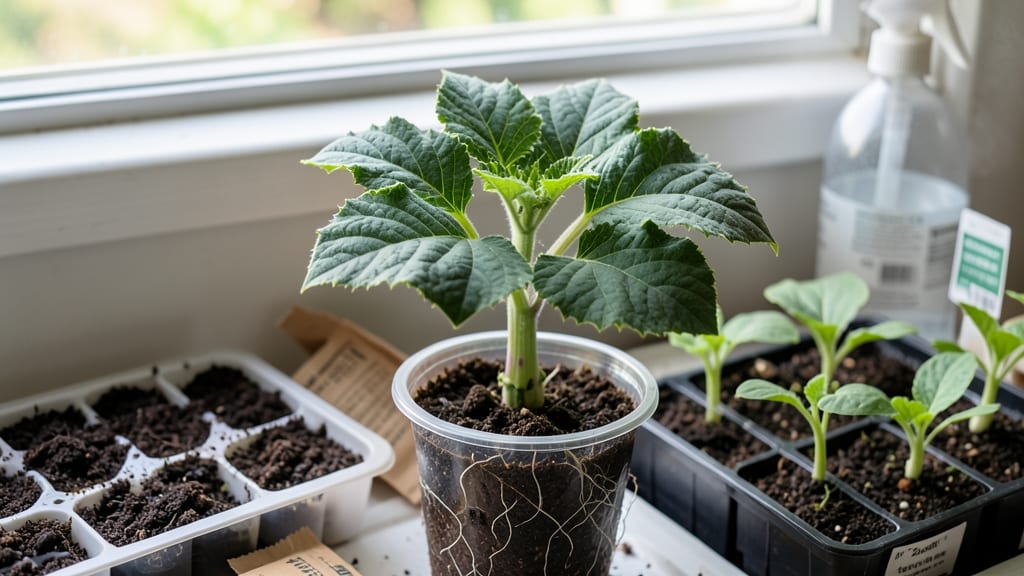
Growing zucchini from seed indoors gives you a three-week head start on the season—no more scrambling to find transplants when the weather warms. 🌱 The trick isn’t just patience; it’s matching the right soil mix, light, and warmth to zucchini’s fast-growing nature.
I’ve started dozens of batches, and the ones that thrive share three key traits: a lightweight, airy soil blend, consistent bottom heat, and a grow light that mimics spring sunshine. Most beginners overwater or crowd seeds too tightly, leading to leggy seedlings or damping off.
My first batch looked like a science experiment gone wrong—until I switched to cellulose-based seed-starting mix and spaced seeds an inch apart. Within a week, sturdy green shoots appeared instead of sad, floppy stems. The secret? Zucchini seeds need warmth (70–90°F) and moisture that’s damp, not soggy.
By the time you transplant, your seedlings will be stocky and dark green, ready to outpace store-bought plants. They’ll hit the garden with established roots, meaning faster fruiting and fewer surprises. I’ve had zucchini blossoms appear just 10 days after transplanting—something you’ll never get from nursery starts.
This method works for any zucchini variety, from bush types to vining giants. Just adjust your timing: start 4–6 weeks before your last frost for best results. The payoff? A summer of homegrown squash with zero guesswork.
📚 In This Guide
- What you need
- Instructions
- Tips and common mistakes
- Wrapping up and next steps
What you need
- ● Zucchini seeds: 3–5 fresh, organic seeds (check the packet for germination rates—aim for at least 85% for best results).
- ● Seed-starting trays or biodegradable pots: 2–4 (2–3" deep) with drainage holes. Pro tip: 💡 Use peat or coconut coir pots to avoid transplant shock later!
- ● Seed-starting soil mix: 1–2 cubic feet of lightweight, sterile seedling mix (avoid garden soil—it’s too dense!). Look for blends labeled "organic" or "seed-starting".
- ● Grow lights or sunny windowsill: Grow lights: 1–2 LED or fluorescent bulbs (12–16 watts per tray) with full-spectrum coverage. Pro tip: 🔥 Keep lights 2–4 inches above seedlings for 12–16 hours/day.
- ● Sunny spot: A south-facing window with 6+ hours of direct sunlight (zucchini are sun-hungry!).
- ● Spray bottle: 1 (for gentle watering—avoid drowning those tiny seeds!).
- ○ Heat mat (optional but helpful): 1 (70–80°F range) to speed up germination if your home is chilly.
- ● Humidity dome or plastic wrap: Keeps moisture locked in during germination.
- ● Fertilizer: A balanced, water-soluble fertilizer (5-5-5 or 10-10-10) for when seedlings sprout their first true leaves.
- ● pH test kit: To check soil pH (zucchini prefer 6.0–6.8).
- ● Label markers: To track seed varieties (trust us, you’ll forget which is which!).
- ● Small fan: For light breeze circulation to strengthen seedlings (place on low speed!).
Step-by-step instructions for starting zucchini seeds indoors
Here’s how I get zucchini seedlings off to a strong start—using lightweight soil to prevent that dreaded "damping-off" and leggy growth.
🌱 Step 1: Prepare Containers and Lightweight Soil Mix
Fill 3-inch-deep cell trays with a lightweight seed-starting mix—nothing heavier than a 50/50 blend of peat moss and perlite. Zucchini roots need air, not suffocation. Moisten the mix until it’s damp like a wrung-out sponge, then press it down gently to remove air pockets. The goal is firm but not compacted soil that crumbles easily when pinched.
I always tap the tray on the table once to settle the mix evenly. Uneven soil leads to uneven germination—some seeds sprout while others rot. Use the 4 cell trays you’ve got to plant 4 zucchini seeds, spacing them 1 inch apart in each cell. This gives you backup seedlings if some fail to germinate.
🌱 Step 2: Sow Seeds at the Right Depth and Cover Lightly
Press each seed 1 inch deep into the soil—about twice the seed’s diameter. Planting too shallow risks drying out, while going too deep slows germination. Use your finger to make a small hole, drop the seed in, then cover it with a thin layer of soil. Mist the surface lightly with water until it’s evenly damp but not soggy.
Here’s the thing—zucchini seeds need warmth to germinate. Place the tray on a seedling heat mat set to 75-85°F. Without this, germination can take 10-14 days instead of the usual 5-7 days. Cover the tray with a clear plastic dome or plastic wrap to trap humidity, but leave it slightly ajar for airflow. Too much moisture here invites mold.
☀️ Step 3: Provide Warmth and Monitor Germination
Check the tray daily but resist the urge to water again until the soil surface feels dry to the touch. The dome keeps humidity high enough that you won’t need to add water for 7-10 days. Once 50% of seeds have sprouted, remove the dome immediately—trapped moisture now will cause damping-off, where seedlings collapse overnight.
Place the tray under a grow light 2-3 inches above the seedlings for 12-14 hours daily. Zucchini seedlings grow fast, and without enough light, they’ll stretch toward the window like overgrown noodles. You’ll know the light is right when the seedlings have thick stems and dark green leaves spaced 1 inch apart.
🌿 Step 4: Thin Seedlings and Harden Off Before Transplanting
Once seedlings have 2 true leaves (the first pair after the initial seed leaves), thin to the strongest seedling per cell. Use scissors to snip the weaker stems at soil level—don’t pull them, or you’ll disturb the roots of the remaining plants. This step ensures your zucchini have space to grow without competing for nutrients.
Two weeks before your last frost date, start hardening off the seedlings. Place them outside in a sheltered spot for 1-2 hours the first day, gradually increasing time over 10-14 days. By the end, they should tolerate a full day outside without wilting. This prepares them for the garden, where they’ll need to handle full sun and 60-70°F soil temperatures.
🪴 Step 5: Transplant Outdoors at the Right Time
Transplant seedlings when nighttime temperatures stay above 55°F and the soil is warm. Zucchini are sensitive to cold, and transplanting too early stresses them. Dig holes 1 inch deeper than the root ball and space plants 2 feet apart in rows 4 feet apart. This gives them room to sprawl and prevents disease from overcrowding.
Water deeply at the base after transplanting to settle the soil and encourage root growth. Mulch with 2 inches of straw to retain moisture and suppress weeds. Within a week, you’ll see new leaves emerge—that’s your signal everything is working. Now, just wait for those first flowers and the promise of zucchini galore!
Tips & tricks for perfect zucchini seed starting indoors
A few small adjustments make all the difference between leggy seedlings and strong, healthy starts. Here's what I've learned from years of indoor zucchini growing—plus how to avoid the most common pitfalls.
Soil Texture is Everything: That 50/50 peat moss and perlite mix isn't just a suggestion—it's non-negotiable for zucchini. The roots need oxygen, and anything heavier will suffocate them. After moistening, press the mix gently but firmly—it should hold its shape when pinched but still crumble easily. I've seen seeds rot in compacted soil, even when watered properly. Test your mix by squeezing a handful: if it sticks together like wet sand, it's too dense.
Germination Heat Hack: The 75-85°F heat mat range is your secret weapon for fast germination. I've tried growing zucchini without one, and it takes twice as long—sometimes seeds never even sprout. Place the heat mat under the tray before planting, not after. The seeds need that consistent warmth from the moment they go in the soil. Pro tip: If you don't have a heat mat, try placing the tray on top of your refrigerator (the coils provide gentle warmth) or near a sunny window with a space heater nearby.
Light Position Matters More Than You Think: Those 2-3 inches above the seedlings aren't arbitrary—they're the sweet spot for even growth. Too close and you'll scorch tender leaves; too far and you'll get those sad, stretched-out seedlings. I use a simple trick to check positioning: hold your hand between the light and seedlings. If you can keep your hand there comfortably for 10 seconds, the distance is perfect. Also, rotate the tray 180 degrees daily so all seedlings get equal light exposure. This prevents them from leaning toward one side.
Harden Off Gradually: The 1-2 hour outdoor exposure on day one might seem short, but it's crucial. Zucchini seedlings are delicate, and sudden temperature changes shock them. I start by placing them in a sheltered spot like under a patio cover or against a south-facing wall. Watch for wilting—if you see it, they're not ready for that long yet. The key is gradual adaptation: by day 10, they should handle a full day outside without wilting. This slow transition builds their resilience for the garden's full sun.
Pro Tips for Growing Zucchini From Seed Indoors
- A few small adjustments make all the difference between leggy seedlings and strong, healthy starts.
- Soil Texture is Everything: That 50/50 peat moss and perlite mix isn't just a suggestion—it's non-negotiable for zucchini.
- Germination Heat Hack: The 75-85°F heat mat range is your secret weapon for fast germination.
Frequently asked questions
Got questions about growing zucchini from seed indoors? You’re not alone—this method takes a little extra care! Here are answers to the most common queries to help you get started with confidence.
When should I start zucchini seeds indoors?
Plant zucchini seeds indoors 4–6 weeks before your last frost date. Since zucchini is sensitive to cold, aim for a time when soil temperatures are at least 60°F (15°C) outside. If you’re in a short-season climate, starting early gives your plants a head start for a longer harvest!
How long does it take for zucchini seeds to germinate indoors?
Zucchini seeds typically sprout in 5–10 days indoors, depending on warmth and moisture. Keep the soil consistently moist (not soggy) and maintain a temperature of 70–85°F (21–29°C) for faster germination. A heat mat can speed things up if your home runs cool!
Do zucchini seedlings need special light indoors?
Yes! Zucchini seedlings crave 12–16 hours of light daily. Use a grow light (LED or fluorescent) if natural light is weak. Place seedlings 2–4 inches below the bulb and raise them as they grow. Without enough light, seedlings get leggy (tall and weak)—a sign they’re stretching for more sun!
Can I transplant zucchini seedlings indoors if I don’t have a garden?
Zucchini thrive in large containers (5+ gallons) with drainage. Use a lightweight, well-draining potting mix and place pots in a sunny spot (south-facing window or under grow lights). Just ensure they get at least 6–8 hours of sunlight daily—they’re heavy feeders and need space to sprawl!
What should I do if my zucchini seedlings look sick or wilty?
Wilty seedlings often mean overwatering, poor drainage, or pests. Check for damping-off fungus (dark, mushy stems) and remove affected plants. Improve airflow, reduce watering, and treat with neem oil if needed. Yellow leaves? It could be nutrient deficiency—fertilize lightly with a balanced organic fertilizer.
Still stumped? Drop your question in the comments—we’re happy to help you grow those zucchini like a pro!
Wrapping up and next steps
Growing zucchini from seed indoors is a rewarding way to jumpstart your garden and enjoy a bountiful harvest—even if you’re working with limited space or a shorter growing season! 🌱 With the right lightweight soil mix, proper lighting, and a little patience, you’ll soon have sturdy seedlings ready for transplanting.
Whether you’re a seasoned gardener or a curious beginner, this early start means more time to experiment with varieties or even share your homegrown goodness with neighbors.
Now that you’ve got the know-how, why not take the next step? Grab those seeds, set up your growing station, and watch your tiny sprouts transform into thriving plants. Happy growing—and get ready for a summer full of zucchini magic! 🎉