
Propagation
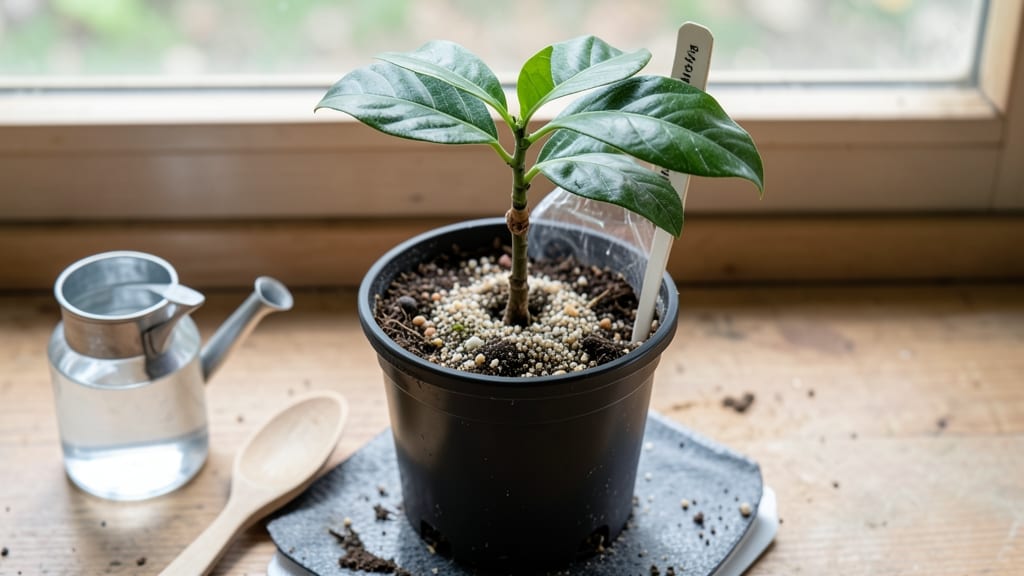
Growing a mango tree from seed indoors lets you nurture a tropical dream right on your windowsill. 🌱 The journey starts with a simple pit from your favorite mango—one that could grow into a 10-foot-tall houseplant with glossy leaves and fragrant white blooms.
My first attempt took three months just to crack the shell, but that stubborn little sprout became my pride and joy.
You’ll need just three things: a ripe mango, patience, and a sunny spot. The seed needs warm soil (70-80°F) to germinate, so a heat mat helps if your home runs cooler.
Keep the soil damp but never soggy—mold is the enemy here. Most seeds sprout within 4-6 weeks, though some take twice as long. That first shoot is worth the wait.
By year one, your seedling will reach 1-2 feet tall with broad, leathery leaves that smell faintly of citrus. Prune leggy growth to encourage bushiness, and rotate the pot weekly so it grows straight.
The real magic happens years later when it flowers—but even before that, it’s a living piece of the tropics in your home.
This method works in any climate, though slower-growing trees may never fruit indoors. Still, the lush foliage alone makes it worth it. Here’s how to keep your tropical friend thriving through every stage—from that first crack in the seed to a small tree that steals the show.
📚 In This Guide
- What you need
- Instructions
- Tips and common mistakes
- Wrapping up and next steps
What you need
- ● Mango seed: A fresh, plump seed from a ripe mango (preferably organic or pesticide-free).
- ● Small pot (4-6 inches in diameter): With drainage holes—terracotta or plastic works well.
- ● Well-draining potting mix: A blend of cactus/succulent mix (60%) and perlite or coarse sand (40%) to prevent root rot.
- ● Plastic wrap or humidity dome: To maintain moisture while the seed germinates.
- ● Spray bottle: For gentle watering (avoid over-saturating the soil).
- ● Grow lights or sunny windowsill: A south-facing window (6+ hours of sunlight) or a full-spectrum LED grow light (12-16 hours/day).
- ○ Fertilizer (optional but helpful): A balanced liquid fertilizer (10-10-10) diluted to half-strength for young seedlings.
- ● Scissors or knife: For carefully slicing the seed (if scarification is needed).
- ● Toothpick or skewer: To help create drainage holes if your pot doesn’t have them.
- ○ Heat mat (optional): A seedling heat mat (70-80°F) to speed up germination in cooler climates.
- ● Larger pot (8-12 inches): For transplanting once the seedling outgrows its starter pot.
- ● Mulch or pebbles: To decorate and retain moisture around the base.
Step-by-step instructions for growing a mango tree from seed indoors
Here’s how to nurture a tropical mango tree from seed—your future windowsill canopy starts right here.
🌱 Step 1: Prepare the Seed for Planting
Start by selecting a fresh, plump mango seed—avoid soft or shriveled ones. Rinse it thoroughly under running water to remove any sticky residue, then let it dry completely for 24 hours. This prevents mold and helps the seed absorb moisture evenly.
Place the dry seed between two damp paper towels, fold the towels over it, and seal in a plastic bag. Store it in a warm, dark spot like a cupboard. Check daily—keep the towels moist but not soggy. You’ll see the seed split open in 7-14 days, signaling it’s ready for planting.
🪴 Step 2: Plant the Germinated Seed
Fill a 4-inch diameter pot with well-draining potting mix—mangoes hate soggy roots, so mix in 20% perlite for aeration. Plant the seed 1 inch deep, with the split side facing down. Gently press the soil around it to secure it without compacting.
Water lightly until the top ½ inch of soil feels damp—not drenched. Place the pot in a warm spot (75-85°F) with bright, indirect light, like an east-facing windowsill. A heat mat can speed up germination if your home runs cooler.
☀️ Step 3: Provide Ideal Light and Care for Early Growth
Once the seedling emerges (in 2-4 weeks), move it to bright, direct light for 6+ hours daily. South-facing windows work best, but supplement with a grow light if natural light is weak. Leggy, pale seedlings mean more light is needed—adjust within 4 inches of the plant.
Water when the top 1 inch of soil feels dry, using room-temperature water. Avoid wetting the leaves to prevent fungal issues. Fertilize lightly with a balanced liquid fertilizer (10-10-10) diluted to ¼ strength every 4 weeks once the seedling has 3-4 true leaves.
🌿 Step 4: Transplant and Train for Stronger Growth
When the seedling reaches 6-8 inches tall (after 3-6 months), transplant it into a 6-inch pot with fresh potting mix. Handle the roots gently—mangoes are sensitive to disturbance. Prune any yellow or damaged leaves to encourage new growth.
Rotate the pot quarter-turn weekly so the tree grows straight, not lopsided. If you notice new leaves growing toward the light, it’s leaning—adjust its position gradually. By 1 year, your mango tree will need a 12-inch pot to support its tropical roots.
⏰ Step 5: Long-Term Care for a Thriving Indoor Tree
Mango trees need high humidity—mist the leaves daily or place the pot on a tray of pebbles and water to create a humid microclimate. In winter, keep it away from cold drafts (below 60°F stunts growth). Prune lightly in spring to shape the canopy and remove dead branches.
Fruit production indoors is rare, but with patience, your tree can live 10+ years as a lush, ornamental centerpiece. Watch for small white flowers in spring—a sign your tree is maturing. Even if it never bears fruit, the glossy leaves and tropical vibe make it worth the wait.
Tips & tricks for perfect indoor mango tree growth
Here's what I learned after watching my first mango seedling go from sprout to 5-foot tropical beauty—don't skip these details!
Seed Selection Matters: Choose seeds from organic mangoes when possible—they're less likely to have been treated with growth inhibitors. I've found that seeds from ripe, red-skinned mangoes germinate fastest. Save your best seed by selecting the plumpest one from the center of the fruit, where the seed is most fully developed.
Germination Environment: That warm, dark spot for germination (75-85°F) is crucial—your kitchen cupboard works perfectly. If your home runs cooler, place the bag near a sunny window during the day and move it back to the cupboard at night. The seed needs consistent warmth to split open in that 7-14 day window. I once left mine in a cool bathroom and waited 3 weeks—don't make that mistake!
Light Transition Strategy: When moving your seedling from indirect to direct light in Step 3, do it gradually over 3-4 days. Sudden bright light can shock delicate seedlings. Place it near the window first, then slowly increase exposure. I've seen seedlings go from pale green to vibrant in just a few days with this approach. Watch for the leaves turning toward the light—this tells you it's ready for more direct sun.
Humidity Hacks: For that high humidity mango trees love, try grouping your plant with other houseplants on a humidity tray. The combined transpiration creates a mini rainforest environment. I also found that placing the pot on a bed of pebbles with water (but keeping the pot elevated) creates a more stable humidity level than daily misting alone. Just avoid letting the pot sit directly in water—root rot is the last thing you want.
Pro Tips for Grow A Mango Tree From Seed Indoors
- Here's what I learned after watching my first mango seedling go from sprout to 5-foot tropical beauty—don't skip these details!
- Seed Selection Matters: Choose seeds from organic mangoes when possible—they're less likely to have been treated with growth inhibitors.
- Germination Environment: That warm, dark spot for germination (75-85°F) is crucial—your kitchen cupboard works perfectly.
Frequently asked questions
Got questions?
Growing a mango tree from seed indoors is exciting, but it’s natural to wonder about the quirks of this tropical project. Below, we’ve answered the most common questions to help you navigate your indoor jungle with confidence!
How long does it take for a mango seed to sprout indoors?
A mango seed typically sprouts within 2–4 weeks if kept warm (70–85°F) and moist. Patience is key—some seeds may take up to 6–8 weeks, especially if the seed was dried out before planting. Keep the soil consistently damp (not soggy) and place the pot in a bright, indirect light spot to encourage germination.
Will my indoor mango tree ever produce fruit?
Probably not! Most mango trees grown from seed indoors rarely fruit because they’re not grafted (a process that ensures consistent fruit production). However, they make stunning ornamental plants with lush foliage. If you want fruit, consider buying a grafted tree or propagating from a known fruiting branch.
What’s the best temperature for growing a mango seed indoors?
Mango seeds thrive in warmth—aim for 70–85°F (21–29°C) during the day and no lower than 60°F (15°C) at night. If your home is cooler, use a seedling heat mat or place the pot near a sunny window. Avoid drafts or sudden temperature drops, which can stunt growth.
Can I grow a mango tree from seed in water instead of soil?
Yes! Some gardeners prefer water propagation for the first few weeks. Place the seed in a jar of water (keeping the top half exposed) and change the water every 2–3 days. Once roots reach 2–3 inches, transplant it to soil. Just watch for mold—fresh, clean water is a must!
Why is my mango seedling wilting or turning yellow?
Wilting or yellowing leaves usually signal overwatering or root rot. Let the top inch of soil dry out between waterings and ensure the pot has drainage holes. If the soil smells sour or the stem feels mushy, trim the affected roots and repot in fresh, well-draining soil. Underwatering can also cause stress—stick your finger in the soil to check moisture!
How big can an indoor mango tree grow?
With proper care, an indoor mango tree can grow 6–10 feet tall, but it’ll need pruning to stay manageable. Use sharp shears to trim leggy branches and encourage bushier growth. If space is tight, consider growing it as a bonsai-style tree—just ensure it gets plenty of light!
Wrapping up and next steps
Growing a mango tree from seed indoors is a rewarding journey that brings a taste of the tropics right to your windowsill! 🌱 With patience, the right care, and a little love, you can nurture a tiny seed into a thriving sapling.
Whether you’re a beginner or a seasoned plant parent, this process is a fantastic way to connect with nature and enjoy the beauty of a mango tree—even if you’re not in a warm climate.
Now that you’re armed with the know-how, why not take the next step? Share your progress with fellow plant enthusiasts, snap photos of your little tree’s growth, or even experiment with different varieties.
Who knows? In a few years, you might just be harvesting your own mangoes—or at least admiring a stunning houseplant that’s as unique as you are! 🌟