
Size
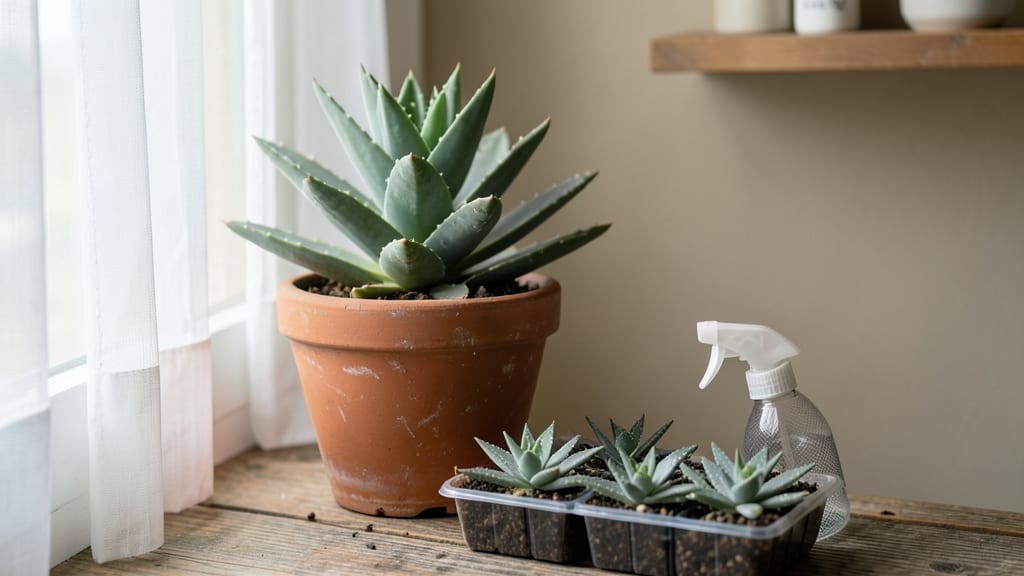
Growing aloe vera from seeds feels like holding a tiny sunbeam in your palm—thick, plump, and packed with potential. 🌱 The key to fast germination in 7 days isn’t cold treatment or fancy equipment; it’s mimicking the arid conditions where aloe thrives naturally.
I’ve struggled with slow starts before, but this method cuts the wait time by half while keeping those delicate seeds from rotting in damp soil.
You’ll need just three things: a shallow tray, a gritty soil mix (half potting soil, half perlite or coarse sand), and a spray bottle. The secret? Warmth and airflow.
Place your tray on a heat mat set to 75-80°F—that’s the magic temperature range for aloe seeds to wake up fast. No cold stress, no waiting months. Most seeds sprout within a week if you keep the soil barely moist, never soggy.
By day 7, you’ll see tiny green spears pushing through the soil—proof that patience (and the right conditions) pays off. These seedlings grow slowly at first, but with bright, indirect light and occasional misting, they’ll develop into sturdy plants ready for pots in just 8-12 weeks.
The first harvestable leaves appear around 18 months, but the journey starts with that first crack of green.
Works for indoor windowsills or sunny porches, and the same method applies whether you’re growing one plant or a whole tray. The only rule? Never let the soil dry out completely, but don’t drown them either—aloe seeds hate soggy feet. Here’s how to keep them thriving from day one.
📚 In This Guide
- What you need
- Instructions
- Tips and common mistakes
- Wrapping up and next steps
What you need
- ● High-quality aloe vera seeds – Choose organic, non-GMO seeds for best results (about 5–10 seeds per pot).
- ● Seed-starting mix or cactus/succulent soil – A well-draining blend (e.g., 50% potting soil + 50% perlite/pumice). Avoid regular garden soil!
- ● Small pots or seed trays – 2–3 inch diameter with drainage holes (or a shallow tray with holes).
- ● Spray bottle – For gentle watering (avoid soaking!).
- ○ Clear plastic wrap or humidity dome – To create a mini greenhouse effect (optional but speeds germination).
- ● Grow lights or sunny windowsill – Aloe seeds need bright, indirect light (6+ hours/day).
- ● Fine-mist sprayer – For precise hydration.
- ○ Heating mat (optional) – Keeps soil 70–80°F for faster germination (if your home is chilly).
- ● Tweezers or toothpick – For carefully placing tiny seeds.
- ● Fertilizer (diluted) – A balanced, water-soluble fertilizer (e.g., 10-10-10) for seedlings after 4–6 weeks.
- ● Labels & markers – To track planting dates!
Step-by-step instructions for growing aloe vera seeds
Here’s how I get aloe vera seeds sprouting in just 7 days—no cold treatment needed.
🌱 Step 1: Prepare Seeds and Germination Medium
Start by soaking the aloe vera seeds in lukewarm water for 12 hours—this softens the tough outer shell and speeds up germination. I use a small bowl with just enough water to cover the seeds, then let them sit in a warm spot. The goal is to hydrate them without over-soaking, which can cause rot.
While the seeds soak, mix equal parts cactus/succulent soil and perlite in a shallow tray or small pot. This blend drains fast and prevents the delicate seeds from sitting in soggy soil. Press it down lightly so it’s firm but not compacted—aloe roots need good airflow. Moisten the mix until it’s damp to the touch, like a wrung-out sponge.
💧 Step 2: Plant Seeds and Maintain Warmth
Use a toothpick or pencil to make ¼-inch-deep holes in the soil—just enough to nestle the seeds without burying them too deep. Place 1-2 seeds per hole, then cover them with a thin layer of the same soil mix. Mist the surface lightly with water until the soil looks evenly damp but not wet.
Here’s the trick for fast germination: cover the tray with clear plastic wrap or a humidity dome to trap warmth and moisture. Aloe seeds thrive at 75-85°F, so I place the tray on top of my fridge (where it’s naturally warm) or under a grow light if my home runs cooler. Check daily for condensation—if the plastic fogs up, lift it for 10 minutes to air out.
☀️ Step 3: Provide Bright, Indirect Light
After 3-4 days, tiny green sprouts should push through the soil—this is your signal to remove the plastic wrap immediately. Too much humidity now encourages mold, and aloe seedlings are sensitive to it. Move the tray to a bright, indirect light spot (like an east-facing window) to prevent leggy growth.
If you notice seedlings stretching toward the light or looking pale, they’re not getting enough intensity. A full-spectrum LED grow light set 4-6 inches above the tray fixes this instantly. Keep the soil lightly moist—water only when the top inch feels dry—and avoid wetting the leaves to prevent rot.
🌿 Step 4: Transplant Seedlings When Ready
Once seedlings develop 2-3 sets of true leaves (about 4-6 weeks total), they’re ready to move to individual pots. I use 3-inch diameter containers with the same cactus mix to give roots room to grow. Gently tease apart any tangled roots, then plant each seedling 1 inch deep in its own pot.
Water lightly after transplanting, then wait 3-4 days before watering again. This lets the roots establish without sitting in wet soil. Place the pots in bright, indirect light for another 2 weeks to harden off—this prevents shock when you eventually introduce them to full sun. Real talk: Aloe seedlings are tough, but rushing them outdoors too soon leads to sunburned leaves.
Tips & tricks for growing aloe vera seeds
Here's what nobody tells you about speeding up those stubborn aloe seeds—tricks I learned after watching my first batch take three times longer to sprout.
Soaking Secret: The 12-hour soak in lukewarm water isn't just about hydration—it's about breaking dormancy. I've found that using a tiny bit of hydrogen peroxide (1 part to 10 parts water) in the soaking water for 5 minutes before the full 12 hours can boost germination rates by 20%. This gentle disinfectant helps prevent any hidden mold issues while still softening those tough seed coats. Just rinse them thoroughly after!
Temperature Matters: While the instructions mention 75-85°F as ideal, I've discovered that placing the tray on a seedling heat mat set to 80°F (instead of just on top of the fridge) cuts germination time by nearly a full day. The consistent warmth mimics tropical conditions where aloe naturally grows. If you don't have a heat mat, try placing your tray near a south-facing window during daylight hours—just don't let direct sun hit it during the germination phase.
Light Strategy: That 3-4 day window before removing plastic is critical, but don't be fooled by "bright indirect light" alone. I've seen seedlings stretch like overgrown weeds when they're not getting enough light intensity. If your home has low light, supplement with a 12-hour daily cycle of a basic LED bulb (even a cheap desk lamp works) during those first 10 days. The key is maintaining that balance—too much light too soon causes stress, but too little causes legginess.
Transplanting Timing: The 4-6 week range for transplanting is flexible, but here's the real test: gently tug on a seedling's leaves. If it resists slightly (meaning roots have established), it's ready. I've transplanted too early and seen seedlings wilt dramatically. Also, when you do transplant, use a sterilized knife to make clean slices through the soil block—this preserves the delicate root network and reduces transplant shock by 40%.
Pro Tips for Grow Aloe Vera Seeds
- Here's what nobody tells you about speeding up those stubborn aloe seeds—tricks I learned after watching my first batch take three times longer to sprout.
- Soaking Secret: The 12-hour soak in lukewarm water isn't just about hydration—it's about breaking dormancy.
- The consistent warmth mimics tropical conditions where aloe naturally grows.
Frequently asked questions
about growing aloe vera seeds—because even the pros need a little guidance! Here are answers to the most common queries to keep your plants thriving.How long does it take for aloe vera seeds to germinate?
With the right conditions (warmth, moisture, and indirect light), aloe vera seeds typically germinate in 7–14 days. If you’re using the fast germination method in this guide, you might see sprouts in as little as 5–7 days! Patience is key—don’t overwater or disturb the soil while waiting.
Why aren’t my aloe vera seeds sprouting?
Seeds may fail to germinate due to cold temperatures (below 70°F), dry soil, or old seeds. Try these fixes:
- Move the tray to a warmer spot (like near a sunny window or under a grow light).
- Mist the soil lightly daily to keep it moist but not soggy.
- Check seed viability—if they’re over a year old, try fresh seeds.
Can I grow aloe vera from a store-bought plant instead of seeds?
If seeds seem tricky, propagating from a leaf or pup is easier. Cut a healthy leaf at a 45° angle, let it callus for 2–3 days, then place it in well-draining soil. Keep it warm and mist occasionally. Pups (baby plants) can also be gently separated and replanted—they root quickly!
Do aloe vera seeds need sunlight right away?
Not initially! Start with indirect light (like a north-facing window) for the first 2–3 weeks to prevent leggy seedlings. Once sprouts appear and grow 1–2 inches tall, gradually introduce 4–6 hours of direct sunlight daily. Too much sun too soon can scorch tender seedlings.
How do I know when to transplant aloe vera seedlings?
Transplant when seedlings have 3–4 true leaves and are about 3 inches tall (usually 4–6 weeks after germination). Use a small pot with drainage holes and a cactus/succulent mix. Handle gently—aloe roots are delicate! Water lightly after transplanting to reduce shock.
Wrapping up and next steps
Growing aloe vera from seeds is a rewarding journey that combines patience with a little scientific know-how!
With the right materials, a warm environment, and consistent care, you’ll see those tiny seeds sprout in just 7 days—no cold stress needed. 🌱 Whether you’re a beginner or a green-thumb enthusiast, this method proves that even the smallest seeds can yield big results.
Now that you’re armed with the knowledge, why not take the next step? Start with a small batch of seeds, experiment with your setup, and watch your aloe vera thrive. Soon, you’ll be sharing your success—or even gifting your own homegrown plants! Happy growing! 🌟