
Size
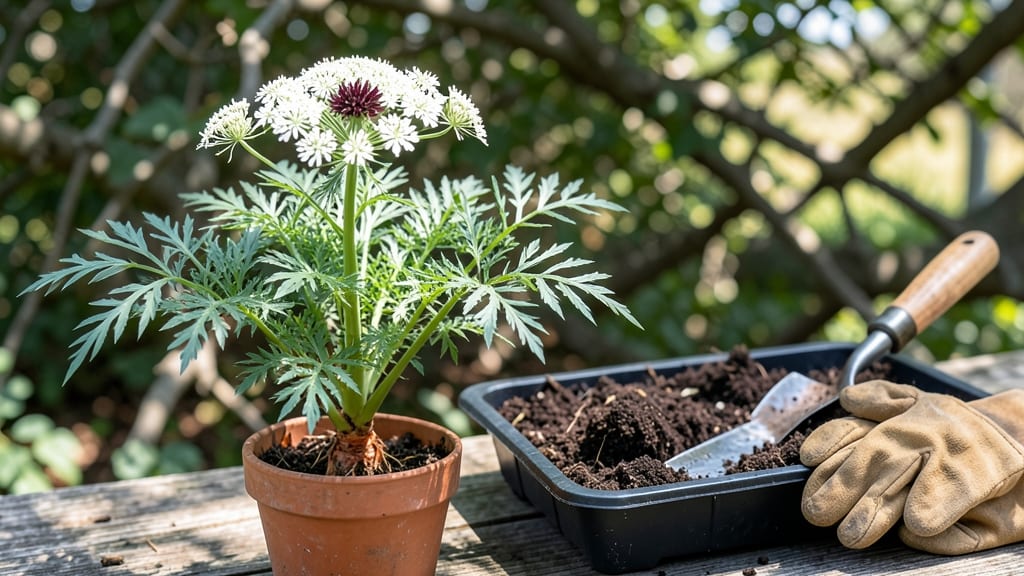
Growing a garden with wild carrot seed gives you edible greens and flowers in just 60 days—no fancy prep required. ✨ I’ve grown them in everything from neglected corners to raised beds, and they thrive when you mimic their natural conditions.
The secret lies in cold stratification, which tricks the seeds into thinking winter’s passed, so they sprout faster than store-bought carrots.
Start with a patch of loose, well-draining soil that gets at least 6 hours of sun daily. Scatter seeds ¼-inch deep, spacing them 6 inches apart—they’ll self-thin naturally.
Water gently after planting, keeping the soil moist but not soggy. Wild carrots are tough, but they’ll bolt faster in hot weather, so aim to harvest greens before they flower.
By day 30, you’ll see feathery leaves popping up like dandelions. The real payoff comes when you snip the young shoots for salads or let them flower for pollinators.
Just watch for weeds—these carrots grow slow at first, so a quick hand-pulling session every few weeks keeps them from getting crowded.
Once established, they’ll reseed themselves, giving you free plants for years. For best results, plant in early spring or late summer. If you’ve ever wanted a low-maintenance, edible garden that’s also beautiful, wild carrots deliver—without the fuss of perfect rows.
📚 In This Guide
- What you need
- Instructions
- Tips and common mistakes
- Wrapping up and next steps
What you need
- ● Wild carrot seeds (Queen Anne’s lace): 1–2 grams (about 1,000–2,000 seeds). Look for organic, non-GMO seeds for the best results.
- ● Growing containers: Option 1: 6–12 biodegradable seedling pots (3–4 inches deep) or peat pellets.
- ● Option 2: A shallow tray (10x20 inches) with drainage holes for direct sowing.
- ● Potting mix: 2–3 gallons of well-draining, sterile seed-starting mix (avoid garden soil—it may harbor pests or diseases).
- ● Cold stratification supplies: A sealed plastic bag or airtight container.
- ● A refrigerator with a crisper drawer (34–40°F / 1–4°C).
- ● Watering can or spray bottle: With a fine mist nozzle for gentle hydration.
- ● Grow lights or sunny windowsill: A south-facing window or a 12–16 inch LED grow light (for indoor starts).
- ● Garden twine or labels: To mark seed trays and track planting dates.
- ○ Seedling heat mat: (Optional for faster germination if starting indoors in cool climates.)
- ● Fertilizer: A balanced, water-soluble fertilizer (5-10-5 ratio) for transplanting.
- ● Mulch: Straw or shredded leaves to retain moisture after outdoor transplanting.
- ● Insect netting: To protect seedlings from pests like carrot rust flies.
- ● Garden journal: To log stratification dates, germination progress, and harvest timelines!
Step-by-step instructions for growing wild carrot from seed
Wild carrot thrives with patience and the right timing—here’s how to coax those delicate, lacy blooms from seed.
🌱 Step 1: Stratify Seeds for Reliable Germination
Wild carrot seeds need a cold stratification period to break dormancy. Place seeds in a sealed plastic bag with a damp paper towel, then refrigerate for 4-6 weeks at 35-40°F. Check weekly—if the towel dries out, mist it lightly. This mimics winter’s natural chill, ensuring strong sprouts when you plant.
I like to label the bag with the date and variety (if applicable). After 4 weeks, test a few seeds by placing them on a damp paper towel in a warm spot. If they sprout within 7-10 days, your batch is ready. If not, extend stratification by another 2 weeks.
🌿 Step 2: Prepare Soil and Plant at the Right Time
Wild carrot prefers well-draining soil with a pH of 6.0-7.0. Work in 2-3 inches of compost into the top 6 inches of soil to encourage deep root growth. Plant seeds ¼ inch deep, spacing them 6-8 inches apart in rows 12 inches apart. This gives plants room to sprawl without competing.
Timing is critical—sow seeds 8-10 weeks before your first frost for a spring bloom or late summer for a fall display. Wild carrot germinates best at 50-65°F, so avoid planting in scorching heat. A light mulch of straw keeps soil moist and suppresses weeds.
☀️ Step 3: Provide Sun and Water for Strong Growth
Wild carrot thrives in full sun (6-8 hours daily) but tolerates partial shade in hot climates. Once seedlings emerge—2-4 weeks after planting—thin them to 6 inches apart to prevent overcrowding. You’ll know they’re ready when the first true leaves (not the tiny cotyledons) appear.
Water deeply once a week, aiming for 1 inch of water per week. Let the top 2 inches of soil dry between waterings to prevent rot. Wild carrot is drought-tolerant once established, but consistent moisture in early growth ensures sturdy stems for those iconic lacy umbels.
✂️ Step 4: Deadhead and Maintain for Continuous Blooms
To encourage more flowers, deadhead spent blooms by snipping the stem just below the flower head. This redirects energy to new growth. Wild carrot self-seeds readily, so you’ll often find volunteer plants the following year. If you want to control spread, remove seed heads before they brown.
Fertilize lightly in early spring with a balanced 10-10-10 fertilizer to support lush foliage. Avoid heavy feeding—wild carrot prefers lean soil. By mid-summer, you’ll see those pinkish-white umbels rise above the foliage, drawing pollinators like bees and butterflies.
⏰ Step 5: Harvest Seeds and Prepare for Next Season
Leave a few flower heads to mature for seeds. When they turn brown and papery, cut the stems and hang them in a paper bag in a dry, shaded spot. Seeds will rattle free in 2-3 weeks. Store them in an airtight container in a cool, dark place—they’ll stay viable for 2-3 years.
After blooming, cut back stems to 4 inches to tidy the garden. The roots are edible (like parsnips) but bitter—best harvested in early spring before the plant bolts. With proper care, your wild carrot patch will multiply yearly, rewarding you with low-maintenance beauty for decades.
Tips & tricks for perfect wild carrot blooms
Wild carrot rewards patience, but these small adjustments will turn your garden into a pollinator magnet.
Cold Stratification Secret: The 4-6 week cold period at 35-40°F is non-negotiable for breaking dormancy, but here's the trick: Use a second sealed bag with a few extra seeds as a "test batch" during the 4th week. Place it in a warm spot (like on top of your fridge) to check germination readiness. If they sprout within 7-10 days, your main batch is ready to plant—no need for the full 6 weeks. This saves you precious garden time.
Soil Prep Upgrade: While the instructions call for 2-3 inches of compost, I've found adding a handful of perlite or coarse sand to the planting hole improves drainage dramatically, especially in clay soils. This prevents the delicate seedlings from sitting in soggy conditions during the critical 2-4 week emergence period. Think of it as creating a mini "sandwich" of good drainage around each seed.
Planting Timing Hack: The 8-10 week window before frost might seem tight, but here's how I stretch it: Start your cold stratification in early November for spring planting. By the time you're ready to plant in late January, your seeds will be perfectly primed. For fall planting, begin stratification in early July—this gives you that late summer window while avoiding summer's scorching heat. Just track your frost dates religiously!
Seedling Care Visual: When thinning seedlings to 6 inches apart in Step 3, use a simple visual test: Look for the first true leaves (the larger, more mature leaves that appear after the initial cotyledons). These should be about 2 inches tall before you thin. The seedlings you remove can be transplanted to another area—just handle them gently by the leaves, not the stems, to avoid damage.
Pro Tips for Wild Carrot Seed Grow A Garden
- Wild carrot rewards patience, but these small adjustments will turn your garden into a pollinator magnet.
- Cold Stratification Secret: The 4-6 week cold period at 35-40°F is non-negotiable for breaking dormancy, but here's the trick: Use a second sealed bag with a few extra seeds as a "test batch" during the 4th week.
- Soil Prep Upgrade: While the instructions call for 2-3 inches of compost, I've found adding a handful of perlite or coarse sand to the planting hole improves drainage dramatically, especially in clay soils.
Frequently asked questions
Got questions about growing wild carrots from seed? You’re not alone!
Here are answers to the most common queries—from timing to troubleshooting—to help you cultivate a thriving patch of these hardy, flavorful roots.
How long does it take for wild carrot seeds to germinate?
Wild carrot seeds are slow starters! After cold stratification (6–8 weeks in the fridge), germination typically takes 14–30 days in warm, moist soil (60–75°F). Patience is key—keep the soil consistently damp and avoid disturbing the seeds until sprouts appear.
Can I plant wild carrot seeds directly in the garden without cold stratification?
Yes, but yields may be much lower. Cold stratification mimics winter conditions, breaking seed dormancy for faster, more reliable germination. If you skip it, plant seeds in fall for natural cold exposure or soak them in water for 24 hours before sowing in spring.
What’s the best way to protect wild carrot seedlings from pests?
Seedlings are vulnerable to carrot rust flies and slugs. Use row covers (fine mesh) until plants are 4" tall, or interplant with onion or garlic (their scent deters pests). For slugs, set out beer traps or handpick them at dawn. Avoid overwatering—dry soil discourages slugs!
Are wild carrots edible, and how do they taste compared to store-bought?
Wild carrots are sweeter and more aromatic than commercial varieties, with a earthy, slightly peppery flavor. The roots are smaller but packed with nutrients. Try them raw in salads or roasted for a unique twist—just ensure they’re pesticide-free if foraged!
Can I grow wild carrots in containers or small spaces?
Yes! Wild carrots thrive in 5-gallon containers or deep pots (12"+ depth) with well-draining soil. Space seeds 2–3" apart and thin seedlings to 4–6" apart. For small gardens, grow them alongside lettuce or radishes—they’re all shallow-rooted companions.
What should I do if my wild carrot seeds don’t sprout?
Try these fixes:
- Check soil moisture: Seeds need consistent dampness (not soggy). Water gently with a spray bottle.
- Verify depth: Plant seeds ¼" deep—too deep = slower germination.
- Test seed viability: Soak a few seeds in water overnight; if none swell, they may be old.
- Adjust temperature: Seeds need 60–75°F soil to germinate. Use a seedling heat mat if your climate is cool.
Wrapping up and next steps
Growing wild carrot seeds in your garden is a rewarding journey that yields vibrant, edible greens in just 60 days—no fancy tools required!
With cold stratification and a little patience, you’ll soon enjoy fresh, peppery sprouts perfect for salads, teas, or garnishes. Start small, experiment, and let your green thumb shine!
Ready to take the next step? Plant your first batch today and watch your garden transform. Need inspiration? Check out our guide on companion planting to maximize your harvest’s potential!