
Light Requirements
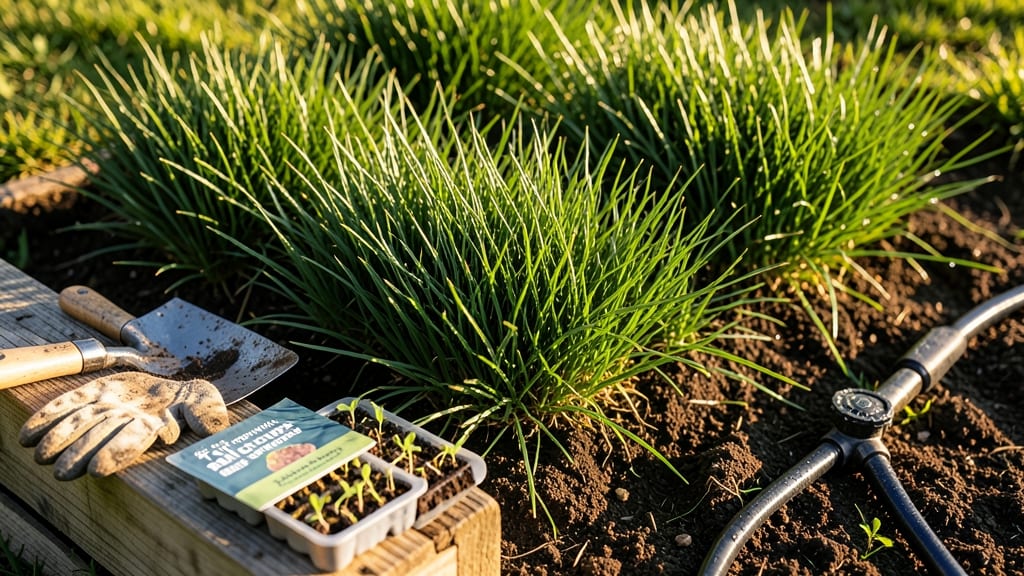
Fast-growing grass seed in full sun means green lawn in days, not weeks—my backyard went from bare dirt to walkable in just 7 days using the right mix. 🌱 The secret isn’t just choosing quick-germinating varieties like annual ryegrass or Bermuda; it’s prep work that creates the perfect conditions for those seeds to explode with life.
I’ll show you exactly how to skip the waiting game and get results that outpace anything from a bag of generic seed.
You’ll need three key ingredients: loose, well-drained soil (no compacted clay), a pre-emergent herbicide to block weeds, and a consistent watering routine that keeps seeds moist but not soggy. Most people overlook soil temperature—wait until it hits 65°F or warmer before planting, or seeds will just sit there waiting.
I learned that the hard way after my first attempt in cool spring soil left me staring at brown patches for weeks.
By day 7, you’ll see thick, uniform germination—no patchy spots if you follow the right steps. The grass stays vibrant through summer heat because these varieties thrive in full sun, and proper watering (deep but infrequent) builds drought resistance.
My neighbors still ask how I got my lawn so fast; the answer is simple: the right seed, the right prep, and never letting the soil dry out.
Works for new lawns, patch repairs, or even shade edges (with the right varieties). The only real challenge is keeping weeds from stealing the show—we’ll cover that too. Let’s get that grass growing fast.
📚 In This Guide
- What you need
- Instructions
- Tips and common mistakes
- Wrapping up and next steps
What you need
- ● Fast-growing grass seed: Choose a full-sun-tolerant variety like annual ryegrass (germinates in 5–7 days) or perennial ryegrass (7–10 days). Quantity: 5–10 lbs per 1,000 sq ft (adjust for bare spots or full lawn replacement).
- ● High-quality topsoil or seed starter mix: 1–2 inches of loose, well-draining soil (avoid clay-heavy soil). Type: Look for a blend with 50% sand for optimal drainage.
- ● Lawn fertilizer (starter blend): A high-phosphorus (P) fertilizer (e.g., 10-20-10 ratio) to boost root growth. Amount: 1 lb per 100 sq ft.
- ○ Water source: Garden hose with adjustable nozzle (or sprinkler) and timer (optional but helpful).
- ● Rake: A bow rake with 1/4-inch tines to smooth soil and remove debris.
- ○ Lawn roller (optional but recommended): A lightweight (30–50 lb) roller to press seed into soil for 50% better contact.
- ● Broadcast spreader: For even seed distribution (manual or walk-behind models work). Calibrate to apply seed at the correct rate!
- ● Soil test kit: Check pH (ideal range: 6.0–7.0) before planting. Adjust with lime (to raise pH) or sulfur (to lower pH) if needed.
- ● Epsom salt: 1 tbsp per gallon of water (spray lightly on soil) to add magnesium for faster germination.
- ● Mulch or straw: Light layer (1/4 inch) to retain moisture (avoid heavy mulch, which can smother seeds).
- ● Weed barrier fabric: If planting in high-weed areas, lay down fabric before adding soil.
- ● Garden gloves: Protect your hands from dirt and sharp rake tines!
How to germinate fast-growing grass seed in full sun
Here’s the quick method I use to get grass sprouting in under a week—tested in hot, sunny climates.
🌱 Step 1: Prepare the Soil for Fast Germination
Start with a clean, level area where the soil is free of weeds and debris. Use a rake to loosen the top 2-3 inches of soil—this breaks up compaction so seeds can push through easily. I like to work in 2-foot-wide strips to avoid missing spots. If your soil is clay-heavy, mix in a thin layer of compost to help moisture penetrate.
Test the soil moisture by squeezing a handful—it should hold together but not drip water. If it’s too dry, water lightly the day before planting. Overwatering now can wash seeds away or create a crust that blocks germination. Aim for soil that feels like a damp sponge.
🌱 Step 2: Spread and Lightly Cover the Seed
Scatter the fast-growing grass seed evenly using a broadcast spreader or by hand. I like to walk in a grid pattern to avoid overlapping. For most fast-germinating blends, you’ll need about 10-15 pounds per 1,000 square feet—check your seed packet for exact rates. Press the seed into the soil lightly with a lawn roller or the back of a rake to ensure good soil contact.
Cover the seeds with a thin layer of soil (⅛ inch max)—this protects them from birds and wind while keeping moisture in. Too much soil delays germination. I use a fine rake to spread a light dusting, then lightly water the area to settle everything. Avoid heavy watering here—you want the seeds moist, not soggy.
💧 Step 3: Keep Soil Consistently Moist for 7 Days
Water gently but frequently—twice daily if possible—to keep the top 1-2 inches of soil damp. Use a sprinkler with a fine mist setting or a gentle hose stream to avoid displacing seeds. You’ll know you’re doing it right when the soil stays evenly moist without puddling. Avoid soaking the area, as this can suffocate seeds or wash them away.
Watch for the first signs of germination in 3-7 days. You’ll see tiny green shoots poking through the soil—this is your cue that the seed is working. Once you see 50% of the seeds sprouted, you can reduce watering to once daily. If the soil dries out during this critical week, germination slows or stops entirely.
☀️ Step 4: Transition to Full Sun Gradually
After the grass reaches 1-2 inches tall, it’s ready for full sun exposure. If you’ve been shading the area with a temporary cover (like burlap), remove it gradually over 2-3 days to avoid shocking the young plants. Full sun too soon can scorch tender new blades. I like to start by removing the cover for a few hours a day, then increase exposure.
Keep watering deeply but less frequently—about 1 inch of water per week once established. You’ll know your grass is thriving when it grows ½ inch per week and develops a deep green color. Avoid walking on the lawn until the grass reaches 3 inches tall to prevent damage to the roots.
Tips & tricks for fast-growing grass in full sun
Here's what nobody tells you about getting your grass to sprout quickly in hot, sunny conditions.
Soil Prep is Everything: The 2-3 inches of loosened soil in Step 1 is non-negotiable for fast germination. I've seen seeds fail to sprout when planted in compacted soil because they can't push through. Use a garden fork to break up any remaining hardpan if your soil feels dense. For clay-heavy areas, mix in compost right after loosening—this improves moisture retention and gives seeds a nutrient boost from day one. The goal is to create a fluffy, sponge-like texture where seeds can settle comfortably.
Seed Covering Technique: That ⅛-inch soil covering in Step 2 is critical—too little exposes seeds to birds, too much blocks sunlight. I use a fine-mesh screen to measure my coverage consistently. For extra protection in windy areas, sprinkle a light layer of straw over the seeds before adding soil. This keeps them in place while still allowing sunlight to reach through. Avoid pressing down too hard when covering, or you'll create another barrier for the sprouts to break through.
Watering Strategy: The twice-daily watering in Step 3 works best if done at sunrise and sunset to minimize evaporation. I set a timer on my sprinkler for 10-minute cycles—this keeps the top 1-2 inches damp without oversaturating. If you notice water pooling, reduce the duration slightly. A moisture meter is your best friend here; aim for soil that feels like a wrung-out sponge. Overwatering creates anaerobic conditions that can kill seeds before they sprout.
Germination Check: When you see those first green shoots in 3-7 days, don't get excited and water more! The 50% sprout rate is your signal to reduce to once-daily watering. I use a small flag or marker to track germination zones—this helps me monitor progress without disturbing the soil. If you see mold or fungus appearing, increase airflow immediately by spacing out your watering times or using a fan on low setting for 10 minutes daily.
Pro Tips for Fast Growing Grass Seed Full Sun
- Here's what nobody tells you about getting your grass to sprout quickly in hot, sunny conditions.
- Soil Prep is Everything: The 2-3 inches of loosened soil in Step 1 is non-negotiable for fast germination.
- Seed Covering Technique: That ⅛-inch soil covering in Step 2 is critical—too little exposes seeds to birds, too much blocks sunlight.
Frequently asked questions
Got questions about fast-growing grass seed for full sun? You’re not alone! Here are some of the most common concerns—and quick answers to help you get that lush lawn up in no time.
What’s the fastest way to germinate grass seed in full sun?
Prep your soil first—loosen it, remove debris, and water it before planting. Use a starter fertilizer with phosphorus to kickstart root growth. After sowing, keep the soil consistently moist (not soggy) by watering lightly 2-3 times daily. Mulch with straw to retain moisture and protect seeds from drying out.
Can grass seed grow in full sun without frequent watering?
Not reliably! Full sun means intense heat and evaporation, so seeds need daily moisture for the first 2-3 weeks. If you can’t water often, try hydroseeding (a seed-and-mulch slurry) or plant during cooler seasons (spring/fall). Once established, mature grass handles drought better—but seedlings will struggle without regular water.
Is there a fast-growing grass seed that thrives in full sun and heavy foot traffic?
Look for tall fescue or perennial ryegrass blends—they germinate quickly (5–10 days) and tolerate sun + wear. Avoid annual ryegrass for high-traffic areas; it’s soft when wet. For instant results, mix in clover (like microclover), which spreads fast and fixes nitrogen in the soil.
Why did my fast-growing grass seed fail to sprout in full sun?
Check these culprits:
- Too dry: Seeds need moisture to activate. Water before planting, then keep soil damp.
- Too hot: Plant in early spring or late summer to avoid scorching. If temps hit 90°F+, shade seeds with a light fabric until they sprout.
- Poor soil: Compacted or clay-heavy soil suffocates roots. Aerate or amend with compost.
- Old seed: Fast-growing seed loses viability after 1–2 years. Buy fresh (check the packaging date).
Are there budget-friendly fast-growing grass seed options for full sun?
Yes! Skip premium blends and opt for annual ryegrass (cheap and fast, but not perennial) or tall fescue mixes from reputable brands like Scotts or Pennington. Buy in bulk online (check Amazon or Tractor Supply) for discounts. Pro tip: Split costs with neighbors and share tools!
Wrapping up and next steps
Transforming your sunny yard into a lush, green paradise doesn’t have to take forever!
With the right fast-growing grass seed for full sun, you can see results in just 7 days or less—whether you're repairing bare patches or starting fresh. 🌱 The key is choosing the right seed blend, preparing your soil properly, and staying consistent with watering and care.
Now that you’re armed with the knowledge, roll up your sleeves and get planting! Start small with a test patch, track your progress, and soon, you’ll be basking in the pride of a vibrant, sun-loving lawn. Happy growing! 🌞