
Planting
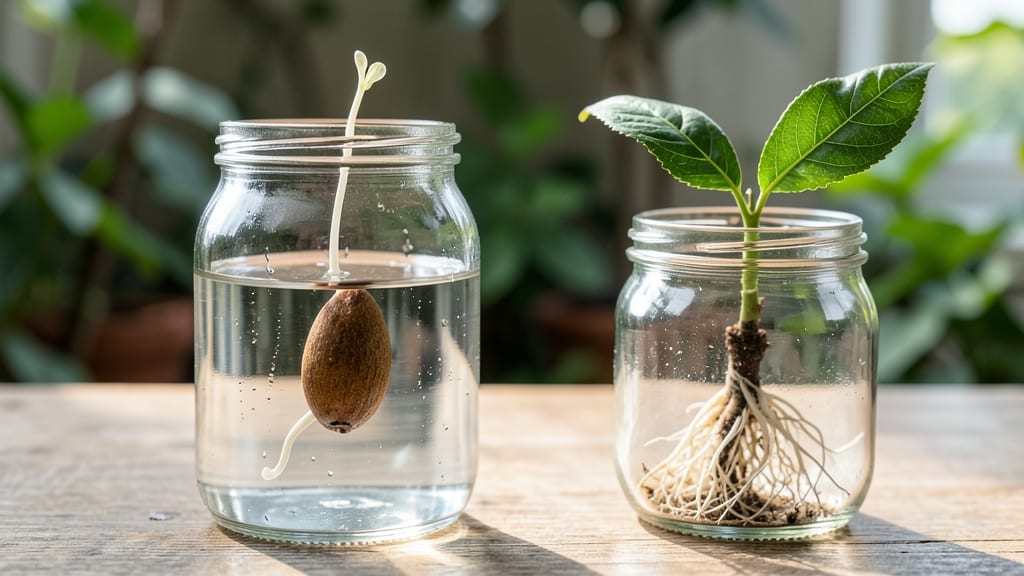
Planting a mango seed in water is the easiest way to grow your own tropical tree—no dirt required. 🌱 I’ve sprouted three this way, and each one started with just a seed, a glass of water, and a little patience.
The roots appear within 2-3 weeks, and by month three, you’ll have a sturdy seedling ready for soil. All you need is a fresh mango pit, a glass, water, and a sunny windowsill. The key is keeping the water clean—change it every 2-3 days to prevent mold or rot.
Watch for the first white root hairs, then wait for them to reach 2-3 inches before transplanting. Once roots form, you’ll see a tiny shoot emerge, followed by true leaves. This is your cue to move the seedling to soil, where it’ll grow 1-2 feet in its first year.
The real magic? It might take 3-5 years to bear fruit, but the journey is worth it. This method works for beginners and kids—just avoid overwatering and keep the seed upright. Here’s how to do it right the first time.
📚 In This Guide
- What you need
- Instructions
- Tips and common mistakes
- Wrapping up and next steps
What you need
- ● Fresh mango seed: Use a plump, undamaged seed from a ripe mango (avoid seeds that are soft or moldy).
- ● Clear glass or jar: A wide-mouth container (8–16 oz) with a lid or plastic wrap. Mason jars work great!
- ● Water: Room-temperature, filtered or distilled water (chlorine-free is best). Change it every 2–3 days.
- ● Paper towels or coffee filter: For draining excess water and supporting the seed.
- ● Pencil or chopstick: To prop up the seed for better air circulation.
- ● Spray bottle: For gentle misting if the seed dries out.
- ● Small plate or saucer: To catch drips and keep your workspace tidy.
- ● Grow light or sunny windowsill: If your space lacks natural light (6+ hours/day).
- ● Humidity dome or plastic wrap: To create a mini greenhouse and speed up germination.
- ● Notebook or app: To track progress (e.g., water changes, root growth).
Step-by-step instructions for germinating a mango seed in water
Here’s the simple, soil-free method I’ve used to grow mango trees from seed—no fancy tools or greenhouses needed.
🌱 Step 1: Select and Prepare the Seed
Start with a fresh, plump mango seed—avoid dried or cracked ones. Rinse it under cool water to remove any pulp, then pat it dry with a paper towel. The seed’s outer shell is tough, so I like to gently sand the edges with fine-grit sandpaper (120-grit works well) to encourage faster sprouting. This step isn’t mandatory, but it can cut germination time by a few days.
Place the seed between two damp paper towels, folding them so the seed is snug but not crushed. Store the wrapped seed in a small plastic bag or container. Check daily—keep the towels moist but not soaking. You’ll see the first signs of life in 5-10 days when the seed splits open and a tiny white root emerges.
💧 Step 2: Set Up the Water Jar
Once the root reaches about ½ inch, it’s time to move it to water. Fill a clean glass jar with room-temperature water, leaving enough space at the top to hold the seed without submerging it completely. I use a wide-mouth jar so the seed stays stable—narrow jars can tip over easily.
Position the seed so only the root is submerged, and the top half remains above water. Secure it in place with toothpicks or a small rubber band wrapped around the jar’s rim. Change the water every 2-3 days to prevent bacteria buildup. You’ll notice new leaves unfolding in 2-3 weeks—this is your signal the seedling is thriving.
☀️ Step 3: Provide Light and Monitor Growth
Place the jar in a spot with bright, indirect light—a kitchen windowsill or under a grow light works perfectly. Direct sunlight can overheat the water and scorch delicate leaves. Rotate the jar a quarter turn daily so the seedling grows straight instead of leaning toward the light.
Watch for yellowing leaves—this usually means the water needs changing or the seedling is getting too much light. Once the stem reaches 4-6 inches and you see 3-4 true leaves (not just the first tiny ones), it’s ready for its next phase. This whole water stage should take about 3 weeks if conditions are right.
🌿 Step 4: Transition to Soil (When Ready)
When the seedling has a sturdy stem and 4-6 leaves, it’s time to plant it in soil. Fill a small pot with well-draining potting mix and dig a hole deep enough to bury the seedling up to its first set of leaves. Gently remove the seedling from the jar, keeping the roots intact, and place it in the hole. Press the soil lightly around the base to secure it.
Water lightly to settle the soil, then place the pot in a warm, shaded spot for a week. Avoid direct sunlight at first—this helps the seedling adjust without shock. You’ll see new growth in 1-2 weeks, proving it’s successfully adapted to soil life.
Tips & tricks for germinating a mango seed in water
Here's what nobody tells you—these little details make all the difference between a thriving seedling and a sad, wilted failure.
Germination Speed: That 5-10 day window for the first root to appear can feel like forever, but don't rush it! The key is patience and consistent moisture. I've found that placing the wrapped seed in a plastic bag creates a mini greenhouse effect—just make sure to remove it daily to check moisture levels. If the towels feel damp but not soggy, you're golden. Too much water can actually suffocate the seed before it even starts growing.
Root Development Watch: Once you see that first ½-inch root in Step 2, resist the urge to rush into the water jar. Let the root grow another ¼ inch before transferring—this gives it a stronger foundation. I've seen seeds with tiny roots struggle when moved too soon, while those with slightly longer roots take to the water stage like champions. Think of it like building a house: stronger foundation equals a sturdier structure.
Lighting Strategy: Bright indirect light is your best friend, but not all windows are created equal. If your kitchen window gets harsh afternoon sun, I recommend supplementing with a simple LED grow light for 12 hours a day. The leaves will tell you what they need—if they start curling or turning yellow, it's either too much direct sun or not enough light. A quarter turn daily might seem like overkill, but trust me, it prevents that awkward leaning growth that makes seedlings look like they're doing the limbo.
Soil Transition Secrets: When it's time to move your 4-6 inch seedling to soil, don't be tempted to rush the process. Let it sit in the water jar for an extra day or two if it's not quite ready—you want those roots to be strong enough to handle the transition. I've learned the hard way that seedlings that look perfect can still struggle if their roots aren't robust enough. The first week in soil is critical, so keep that shaded spot warm and consistent. Think of it as the seedling's first day of school—ease it in gently!
Pro Tips for Plant A Mango Seed In Water
- Here's what nobody tells you—these little details make all the difference between a thriving seedling and a sad, wilt...
- Germination Speed: That 5-10 day window for the first root to appear can feel like forever, but don't rush it! The ke...
- Root Development Watch: Once you see that first ½-inch root in Step 2, resist the urge to rush into the water jar. Le...
Frequently asked questions
How long does it take for a mango seed to sprout in water?
A mango seed typically sprouts in 2–4 weeks when planted in water. Patience is key—keep the water fresh, and avoid letting it dry out. If you don’t see sprouts after 4 weeks, gently check for rot or damage.
Do I need to change the water every day?
No, but refresh it every 2–3 days to prevent bacterial growth or mold. Stagnant water can harm the seed. Use room-temperature water to avoid shocking the seedling.
Can I plant the seed directly in soil instead of water?
Yes! Some gardeners prefer planting the seed directly in well-draining soil (like a mix of potting soil and perlite). However, water germination is faster and lets you monitor progress. Transplant to soil once roots reach 2–3 inches.
What if my mango seed rots in water?
Rotting happens if the seed stays too wet or in dirty water. If you see black mold or a foul smell, discard the seed and try again with a fresh one. Use clean water and a small container to improve airflow.
Will my mango tree grow fruit from a seed?
Probably not the same variety as the parent tree! Seed-grown mangoes are unpredictable—they may take 5–10 years to fruit (if they do at all). For consistent fruit, graft a known variety onto your seedling.
What’s the best temperature for germinating a mango seed?
Keep the seed in a warm spot (70–85°F or 21–29°C), like near a sunny window or under a grow light. Avoid cold drafts, which can slow or stop germination.
Wrapping up and next steps
Growing a mango tree from a seed in water is a rewarding journey that blends patience with the joy of nurturing life! 🌱 With just a few simple steps—like choosing the right seed, keeping it hydrated, and providing gentle sunlight—you can watch roots sprout in as little as 3 weeks.
Remember, even if your seedling doesn’t bloom fruit right away, the process itself is a beautiful lesson in nature’s resilience.
Now that you’ve mastered the basics, why not take the next step? Once your seedling has strong roots, transplant it into soil and give it the love it deserves.
Who knows? You might just grow a thriving mango tree that brings fresh, tropical fruit to your backyard in years to come! 🌳✨