
Propagation
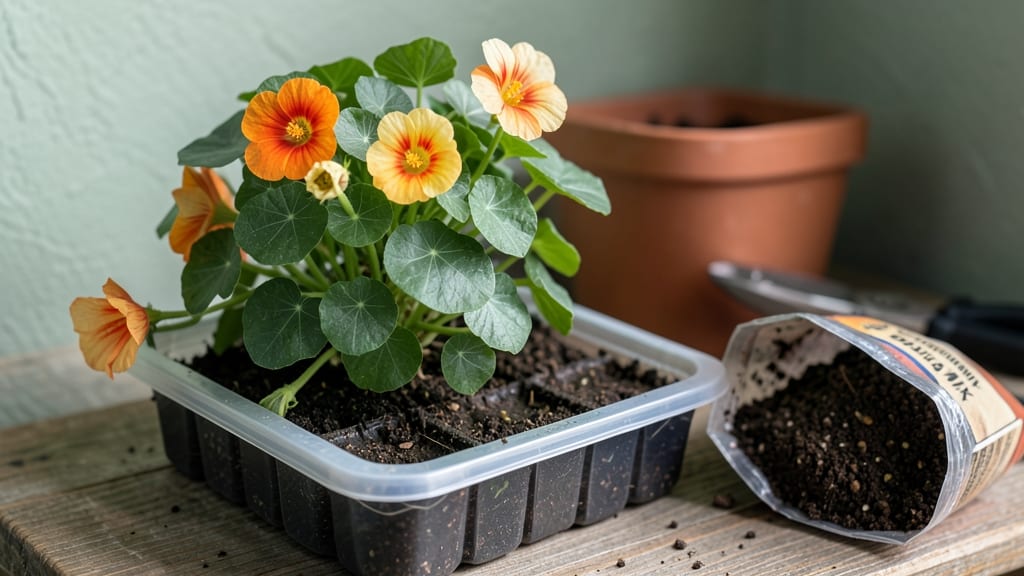
Germinating nasturtium seeds is the fastest way to get these bold, edible blooms popping up in your garden—no cold treatment or fancy tricks needed. 🌱 I’ve started dozens of batches, and the secret lies in their thick, easy-to-handle coats and their love of warmth.
These seeds sprout reliably in just 7 days when you nail the basics: moisture, warmth, and patience. The key is keeping them consistently damp (not soggy) and warm—think 70-75°F—whether you’re sowing indoors under lights or directly outside after the last frost.
Nasturtiums don’t need light to germinate, so you can tuck them into pots or a seed tray and forget about them for a week, checking daily for those first tiny green hooks.
Once they sprout, you’ll be amazed at how quickly they grow—bright orange, yellow, or red seedlings that look like tiny edible flowers. The first true leaves appear in another 7-10 days, and by then, you’ll be pinching off the leggy stems to encourage bushier, more productive plants.
For outdoor sowing, wait until soil temps hit 60°F—they hate cold, but they thrive in heat once they’re up. If you’re starting indoors, transplant them when they’re 2-3 inches tall, and they’ll handle the move like pros. Here’s how to make it foolproof!
📚 In This Guide
- What you need
- Instructions
- Tips and common mistakes
- Wrapping up and next steps
What you need
- ● Nasturtium seeds: 5–10 seeds (store-bought or saved from last year’s plants). Pro tip: 💡 Opt for heirloom or organic seeds for better germination rates!
- ● Seed-starting mix: 1–2 cups of sterile, well-draining potting soil (avoid garden soil—it’s too dense!). Look for labels like "seed starter" or "cactus/succulent mix."
- ● Containers: Small pots (2–3 inches deep) or
- ● A shallow tray with drainage holes (like a seedling flat) or
- ● Even a repurposed egg carton (poke drainage holes!) 🥚
- ● Watering can or spray bottle: With a fine mist nozzle to keep seeds moist without drowning them.
- ○ Plastic wrap or clear lid: To create a mini greenhouse effect (optional but highly recommended!).
- ● Grow lights or sunny windowsill: A south-facing window (6+ hours of sunlight) or a LED grow light (12–16 hours/day).
- ○ Temperature: Keep seeds warm (65–75°F / 18–24°C). A seedling heat mat (optional) can help if your home runs cool.
- ● Humidity: Seeds love moisture—aim for consistently damp (not soggy!) soil.
- ● Airflow: Lightly crack the plastic wrap daily for 5–10 minutes to prevent mold. 🌬️
- ● Fertilizer: A diluted seaweed or fish emulsion (after sprouts appear).
- ● Plant labels: To track varieties (especially if testing multiple seeds!).
- ● Heat mat: For faster germination in cooler climates.
- ● Humidity dome: Pre-made versions save time if you’re starting many seeds.
Step-by-step instructions for germinating nasturtium seeds
Here's how to get those bright orange sprouts popping in just a week—no fancy cold treatment needed.
🌱 Step 1: Prepare Your Seeds for Faster Germination
Nasturtium seeds have tough outer shells that slow things down, so I soak them first. Place them in a small bowl with warm water (not hot) for 12-24 hours. You'll see them plump up noticeably—that's your signal they're ready. Drain them well after soaking, then let them air-dry for 10-15 minutes so they don't stick together.
While they soak, I like to fill small pots with well-draining seed-starting mix. Nasturtiums hate soggy roots, so I mix in a little perlite or sand to help with drainage. Moisten the soil lightly—it should feel like a damp sponge, not dripping wet. This ensures the seeds won't rot once planted.
💧 Step 2: Plant the Seeds at the Right Depth
Nasturtium seeds are tiny but mighty—plant them just ¼ inch deep in the soil. I use my finger to make a small hole, drop in 2-3 seeds (they germinate fast, and you can always thin later), then cover lightly. Press the soil down gently around them so they make good contact but don't bury them too deep. You'll see them emerge faster when they're not struggling to reach the surface.
Place the pots in a warm spot—65-75°F is ideal. I keep mine on top of the fridge or near a sunny window. Mist the soil lightly with water every 2-3 days to keep it moist but not soggy. You'll know it's right when the soil surface looks slightly damp but not glistening.
☀️ Step 3: Provide Warmth and Light for Quick Sprouts
Nasturtiums love warmth, so I cover the pots with clear plastic wrap or a humidity dome to trap heat and moisture. This speeds up germination to just 5-7 days. Place them in a spot where they'll get bright, indirect light—like a south-facing window or under a grow light. Avoid direct sun until they sprout, or the soil might dry out too fast.
Watch for the first tiny green shoots to break through the soil—that's your cue to remove the plastic. Once they pop up, move them to a sunnier spot. Nasturtium seedlings are tough but need consistent moisture, so I water them gently from the bottom by placing the pots in a shallow tray of water for 10-15 minutes. This keeps the roots happy without disturbing the delicate sprouts.
✂️ Step 4: Thin and Transplant for Strong Growth
When the seedlings are about 1 inch tall and have their first true leaves, it's time to thin them. Use small scissors to snip the weakest seedlings at the base, leaving the strongest one in each pot. This gives them room to grow without competing for nutrients. If you're transplanting, choose a spot with full sun and well-draining soil.
Nasturtiums grow fast, so I plant them 8-12 inches apart to give them space to spread. Water them deeply after transplanting to help them settle in. Within a few weeks, you'll see those vibrant flowers blooming—proof that your fast germination paid off!
Tips & tricks for germinating nasturtium seeds
Here's what I learned after watching my first batch struggle—these tricks make all the difference for speedy, healthy sprouts.
Soaking Secret: The 12-24 hour soak isn't just about softening the seed shells—it's about breaking dormancy. I've found that using filtered water (instead of tap) prevents chlorine from slowing germination. After soaking, spread seeds on a paper towel to air-dry for those 10-15 minutes. If they feel damp to the touch, they're not ready—wait a few more minutes or they'll clump together when planted.
Soil Science: That well-draining mix is non-negotiable. I mix my seed-starting soil with 20% perlite or coarse sand by volume to prevent compaction. For the moisture test, I press my finger into the soil—it should spring back with just a slight indentation, like a damp sponge. Too wet and you'll drown those tiny seeds; too dry and they won't have the moisture they need to germinate.
Warmth Hack: The 65-75°F range is perfect, but here's the trick: place your pots on top of your fridge or near a warm appliance (like a water heater). I've seen germination speed up by 24 hours when using this method compared to room temperature alone. Just avoid direct heat sources—they can dry out the soil too quickly.
Light Transition: When those first shoots appear, remove the plastic wrap immediately. I've seen seedlings get "leggy" (tall and weak) when left under the dome too long after sprouting. Move them to bright, indirect light right away, then gradually introduce more direct sunlight over 3-4 days to prevent shock. The 10-15 minute bottom-watering method keeps roots moist without disturbing the delicate sprouts during this critical transition.
Pro Tips for Germinate Nasturtium Seeds
- Here's what I learned after watching my first batch struggle—these tricks make all the difference for speedy, healthy sprouts.
- Soaking Secret: The 12-24 hour soak isn't just about softening the seed shells—it's about breaking dormancy.
- Soil Science: That well-draining mix is non-negotiable.
Frequently asked questions
How long do nasturtium seeds take to germinate?
Nasturtium seeds typically sprout in 7–14 days when kept warm (65–75°F) and moist. For faster results, use the paper towel method—you’ll see tiny sprouts in just 3–5 days! Patience is key, but don’t let the soil dry out.
Do I need to cold-stratify nasturtium seeds?
Nope! Unlike some flowers, nasturtium seeds do not require cold treatment. They’re one of the easiest seeds to germinate—just keep them warm and moist. Cold stratification can even delay germination, so skip it unless you’re sowing in winter (then use a heat mat).
Why aren’t my nasturtium seeds sprouting?
Check these common culprits:
- Too cold: Seeds need warmth (65°F+). Move them to a sunny windowsill or use a seedling heat mat.
- Dry soil: Keep the medium consistently damp (not soggy). Mist lightly daily.
- Old seeds: Nasturtium seeds last 2–3 years. If yours are older, try fresh ones.
- Depth issue: Plant them only ¼ inch deep—they need light to germinate!
Can I grow nasturtiums from store-bought flowers?
Yes! Save seeds from open-pollinated nasturtium flowers (like ‘Alaska’ or ‘Jewel Mix’) by letting them dry on the plant, then collecting them when the pods turn brown. Store-bought hybrids (like ‘Empress of India’) may not grow true to type, but you can still try!
When is the best time to plant nasturtium seeds outdoors?
Sow seeds 2–3 weeks after your last frost when soil temps reach 50°F+. Nasturtiums thrive in cool weather and can even handle light frosts. For a longer season, make succession plantings every 2–3 weeks until summer.
What’s the ideal temperature for germinating nasturtium seeds?
| Stage | Temperature Range |
|---|---|
| Germination | 65–75°F (18–24°C) |
| Seedling growth | 55–65°F (13–18°C) (tolerates cooler temps) |
Use a heat mat if your home runs cold, or place the tray on top of the fridge for gentle warmth.
Wrapping up and next steps
Germinating nasturtium seeds is a simple, rewarding process that brings vibrant blooms to your garden in just 7 days—no cold stratification needed! 🌱 With the right mix of warmth, moisture, and patience, you’ll soon enjoy edible flowers and peppery greens straight from your backyard.
Now that you’re armed with the know-how, why not plant a few seeds today and watch your garden flourish?
Ready for the next step? Explore our guide on nurturing young nasturtium seedlings to keep them thriving!