
Propagation
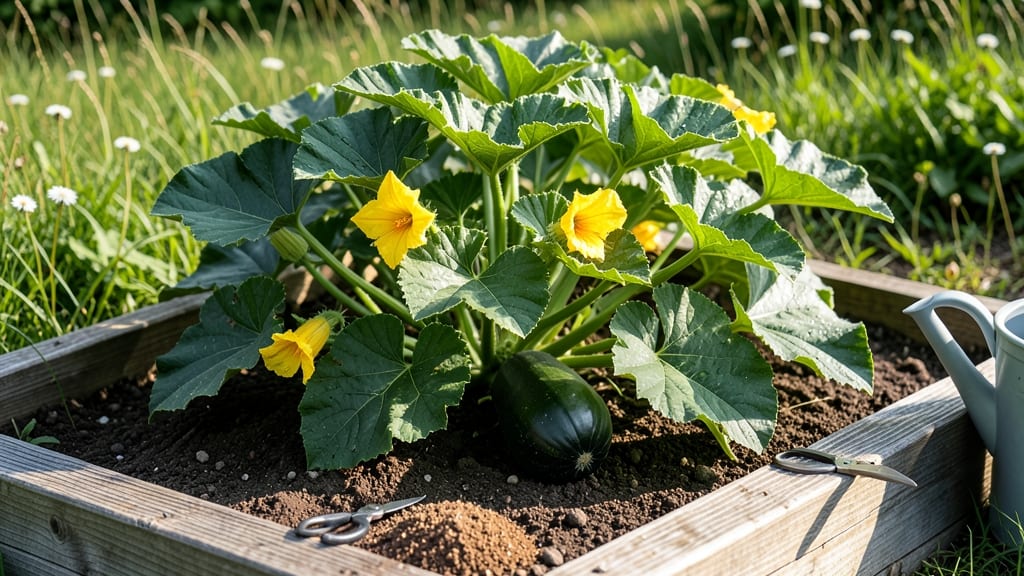
Growing zucchini from seed to harvest takes about 50 days under ideal conditions, but the timeline shifts dramatically depending on your soil, sunlight, and even how you plant those tiny seeds.
If you’ve ever stared at a zucchini seedling wondering, "Will this actually turn into food?"—you’re not alone. The truth is, skipping a single step (like proper spacing or soil warmth) can stretch that 50-day timeline into 80 days or more.
Here’s how to keep your plants on track—and why timing matters more than you think.
From the first sprouts (which appear in 5–10 days) to the moment you pick your first 6-inch zucchini🎃, every phase has its own rules. Too much water? Seedlings drown.
Not enough sun? Flowers drop before fruiting. Below, I’ll walk you through the exact milestones, the critical mistakes to avoid, and the simple tweaks that shave weeks off your harvest wait.
By the end, you’ll know not just how long it takes—but how to control the process so your garden delivers faster, bigger, and more reliable yields. Ready to turn those seeds into summer’s best-kept secret?


Zucchini growth timeline from seed: week-by-week breakdown (with critical stages)
Growing zucchini from seed is one of the most rewarding gardening experiences, but timing is everything. While the ideal harvest window is 50–60 days, skipping critical stages can stretch that timeline—or worse, kill your plants entirely.
The first 10 days after planting determine whether your seeds even sprout, and the 4–6 week mark is when flowering (and potential fruit set) begins. Let’s break down each phase so you know exactly what to expect—and when to act.
Zucchini seeds are surprisingly sensitive to temperature and moisture. If your soil isn’t warm enough (60°F or above) or too soggy, germination can take 14–21 days instead of the usual 5–10 days.
Even worse, overwatering seedlings can cause damping off, a fungal disease that turns your tiny sprouts to mush overnight. The key to success? Patience and precision during these early weeks.
Here’s your visual growth chart to track progress week by week:
| Stage | Days After Planting | Key Actions | Critical Notes |
|---|---|---|---|
| Germination | 5–10 | Plant seeds 1–2 inches deep, keep soil consistently moist (not soggy). | Soil temp must be 60°F+. Use a heat mat if needed. |
| Seedling Stage | 10–21 | Thin seedlings to 12–24 inches apart. Harden off before transplanting. | Avoid overwatering—damping off is a major risk. |
| Transplant | 21–28 | Move seedlings to full sun (6+ hours/day). Add compost for nutrients. | Wait until night temps stay above 50°F to avoid frost damage. |
| Vegetative Growth | 28–42 | Water deeply 2–3x per week. Fertilize with balanced NPK (10-10-10). | Too much nitrogen = leafy growth, no fruit. |
| Flowering | 42–60 | Hand-pollinate if needed (tap flowers gently). Watch for squash bugs. | Female flowers (tiny zucchini behind bloom) need consistent water. |
| Harvest | 50–60+ | Pick when 6–8 inches long and skin is firm but yields slightly. | Harvesting regularly encourages more fruit. |
The first 2 weeks are the most critical for zucchini growth. If your seeds don’t sprout within 10–14 days, they’re likely dead—don’t waste time replanting. I’ve seen gardeners give up here, only to realize they planted too shallowly or their soil was too cold.
Use a soil thermometer to confirm temps are ideal before planting.
Once seedlings emerge, the thinning process can be brutal—you’ll need to pluck weak sprouts to give the strongest plants room to grow. This might seem harsh, but crowded seedlings compete for nutrients and light, leading to stunted growth and fewer fruits later.
Aim for 12–24 inches between plants to avoid this pitfall.
By week 3–4, your zucchini should be transplant-ready, provided your last frost has passed. This is where many gardeners make their second-biggest mistake: transplanting too early. If nighttime temps dip below 50°F, your plants will struggle to establish roots.
Harden them off first by gradually exposing them to outdoor conditions over 5–7 days.
Flowering begins around week 6, and this is when the magic happens—or the frustration sets in. If you see mostly male flowers (long stems, no zucchini), your plant is likely stressed from too much nitrogen or inconsistent watering.
Female flowers (with tiny zucchini at the base) are your goal. If pollination fails, give the flowers a gentle shake in the morning to help.
Finally, the harvest stage arrives at 50–60 days, but timing is everything. Zucchini left on the vine too long become woody and bitter, while those picked too early may not have developed fully.
Aim for 6–8 inches long with a deep green, glossy skin. Pro tip: Harvest every 2–3 days to keep production going all season.
🌱
5 Pro tips to speed up zucchini growth (and avoid common mistakes)
Zucchini plants are eager growers, but even the fastest varieties can stall if you miss key steps. The difference between a 50-day harvest and a 70-day wait often comes down to small adjustments in planting and care.
I’ve tested these strategies in my own garden, and they consistently shave off 1–2 weeks from the timeline—without sacrificing yield or flavor. The secret? Paying attention to what zucchini plants need most: warmth, sunlight, and the right balance of nutrients.
One of the biggest mistakes I see is planting seeds too deep or too shallow. Zucchini seeds need just 1–2 inches of soil coverage to germinate properly. Planting deeper than 2 inches can delay sprouting by up to a week, while shallow planting risks drying out the seeds.
Another common pitfall is overestimating a zucchini’s tolerance for cool weather—soil temperatures below 60°F slow germination to a crawl. If your spring is chilly, use black plastic mulch to warm the soil faster.
🌱 Numbered Highlights: How Long Does It Take to Grow Zucchini From Seed?
- 5–10 days: Germination (soil temp 70°F+ speeds this up)
- 2–3 weeks: Seedling stage (thin to 12–24 inches apart to avoid crowding)
- 4–6 weeks: Flowering begins (prune male flowers to boost female blooms)
- 6–8 weeks: First harvest (6–8" zucchini, firm and deep green)
- 8–10 weeks: Peak production (harvest every 2–3 days to encourage more fruit)
Pro Tip: Use a planting calendar to track these stages—it’s easier than you think!
Companion planting is another game-changer for speeding up growth. I plant marigolds around my zucchini to deter pests like squash bugs, which can stress plants and slow fruit development. Basil is another great companion—it repels thrips and improves flavor.
Avoid planting zucchini near potatoes or fennel, though, as these can stunt growth or attract harmful pests. If space is tight, focus on the marigold-basil combo for the biggest impact.
Here’s where many gardeners go wrong: over-fertilizing with nitrogen. While nitrogen fuels leafy growth, too much of it delays flowering and fruit production. Instead, use a balanced 10-10-10 fertilizer every 4–6 weeks once the plants are established.
I also side-dress with compost mid-season to provide slow-release nutrients without risking burnout. And never skip the 6+ hours of sunlight daily—zucchini are sun-hungry, and cutting back on light will extend your harvest timeline by weeks.
Pruning might seem counterintuitive for a fast-growing plant, but it’s a secret weapon. When zucchini plants get overcrowded with leaves or too many fruits, they divert energy away from new growth. I prune yellowing lower leaves to improve air circulation and remove overripe zucchini to encourage more blooms.
This keeps the plant focused on producing high-quality fruit rather than struggling to support its own weight. It’s a small effort that pays off with bigger, healthier zucchini in half the time.
Finally, don’t underestimate the power of consistent watering. Zucchini plants need 1–2 inches of water per week, especially during flowering and fruiting. I water deeply in the morning to reduce fungal risks and mulch heavily to retain moisture.
Skipping watering—even for a few days—can cause blossoms to drop, setting back your harvest by another week or more. A drip irrigation system makes this effortless and ensures your plants get exactly what they need.