
Blooming
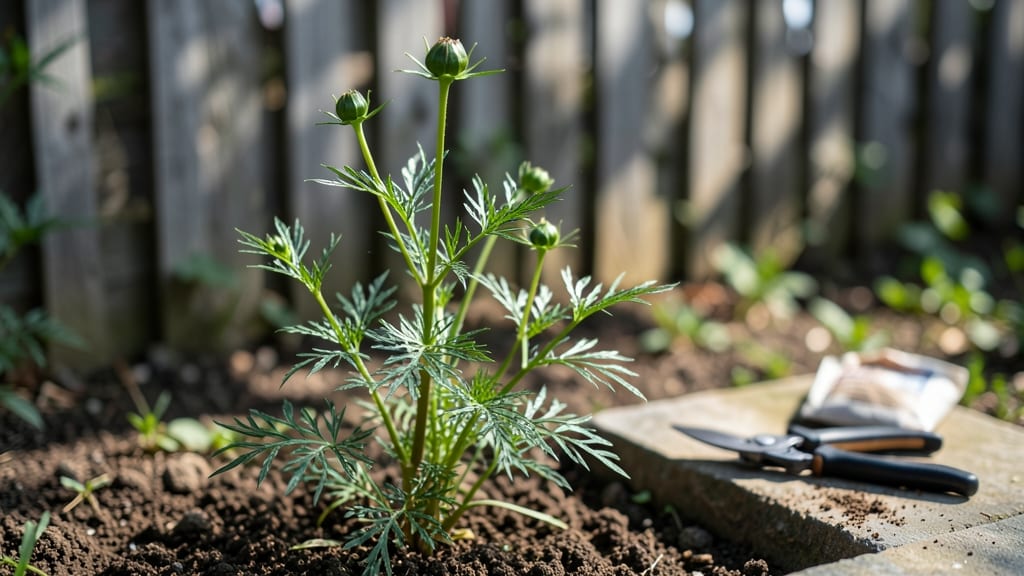
Wildflower seeds take 7 to 21 days to sprout on average, with fast growers like poppies emerging in 3–5 days, while hardy perennials such as coneflowers may take 14–30 days—soil warmth, moisture levels, and seed type all influence germination speed.
Timing varies because different wildflower species have unique germination needs. 🌱 For example, annuals like cosmos often sprout within a week, while perennial seeds need more time to break dormancy.
Soil temperature plays a huge role—most seeds germinate best when soil reaches 60–75°F, and cold or dry conditions can stall growth for weeks. I've found that pre-soaking certain seeds or lightly scarifying their outer coating can cut germination time by nearly half for impatient gardeners.
Another key factor is planting depth—seeds need just enough light to sprout, so burying them too deep (more than ¼ inch) can delay emergence. If your seeds aren't sprouting within the expected window, check for moisture consistency and fungal issues, which can create a hostile environment for tiny seedlings.
💡 In This Article
- Wildflower Germination Factors: Soil, Temperature, and Seed Variety
- Speeding Up Wildflower Seed Germination: Pro Tips for Gardeners
Wildflower germination factors: soil, temperature, and seed variety
Wildflower seed germination speed is primarily controlled by three key factors: soil temperature, moisture availability, and the seed's internal dormancy mechanisms. Most wildflower seeds require soil temperatures between 60–75°F to activate their metabolic processes.
Below 50°F, enzymes that break down seed coatings become inactive, creating a dormancy state that can last weeks or even months. This is why spring-planted seeds often outperform fall plantings in colder climates—the winter chill naturally stratifies many seeds, but spring warmth triggers faster emergence.
The seed's physical structure also plays a crucial role. Annual wildflowers like cosmos and zinnias typically have thin seed coats that allow moisture to penetrate quickly, resulting in sprouting within 5–14 days.
In contrast, perennial seeds such as black-eyed Susans or coneflowers often have thicker, more protective coatings that require scarification (light scratching) or stratification (cold treatment) to soften. 🌱 These protective layers evolved to prevent germination during unfavorable conditions, but they also explain why some seeds take 2–4 weeks longer to sprout compared to their annual counterparts.
Moisture levels create another critical variable. Seeds need consistent moisture to activate enzymes that convert stored nutrients into energy for growth, but too much water can suffocate them or promote fungal growth. The ideal moisture level maintains dampness (like a wrung-out sponge) without creating puddles.
For example, California poppies often sprout within 3–5 days when planted in well-draining soil with regular light watering, while seeds planted in heavy clay soil may take 3+ weeks due to poor aeration and waterlogging risks.
Light exposure also influences germination timing. Photoblastic seeds (like many wildflowers) require specific light conditions to trigger sprouting. Some need darkness to germinate, while others need light—this explains why planting depth matters. Seeds buried deeper than ¼ inch may take 2–3 times longer to emerge because they receive less light.
This is why many wildflower seed packets recommend a light covering of soil or suggest pressing seeds into the surface rather than burying them.
Consider these specific examples for common wildflowers:
- Fast germinators (3–7 days): Poppies, sweet alyssum, and bachelor's buttons—these thrive in warm soil (70–75°F) and often sprout within a week of planting.
- Moderate germinators (7–14 days): Cosmos, zinnias, and marigolds—ideal for gardeners who want quick color but can tolerate slightly cooler soil (60–68°F).
- Slow germinators (14–30+ days): Coneflowers, black-eyed Susans, and milkweed—these perennials often require stratification or scarification to break dormancy.
Understanding these factors helps explain why your neighbor's wildflower meadow might bloom weeks before yours—it's not just luck, but the interplay of soil science, seed biology, and environmental conditions working together. 💫