
Blooming
Wildflower seeds usually need 2 to 4 weeks to sprout after planting, with vibrant blooms emerging 6 to 12 weeks later, though some slower-growing varieties can take nearly 18 months to reach full maturity. Your local climate and seed type play huge roles in this timeline.
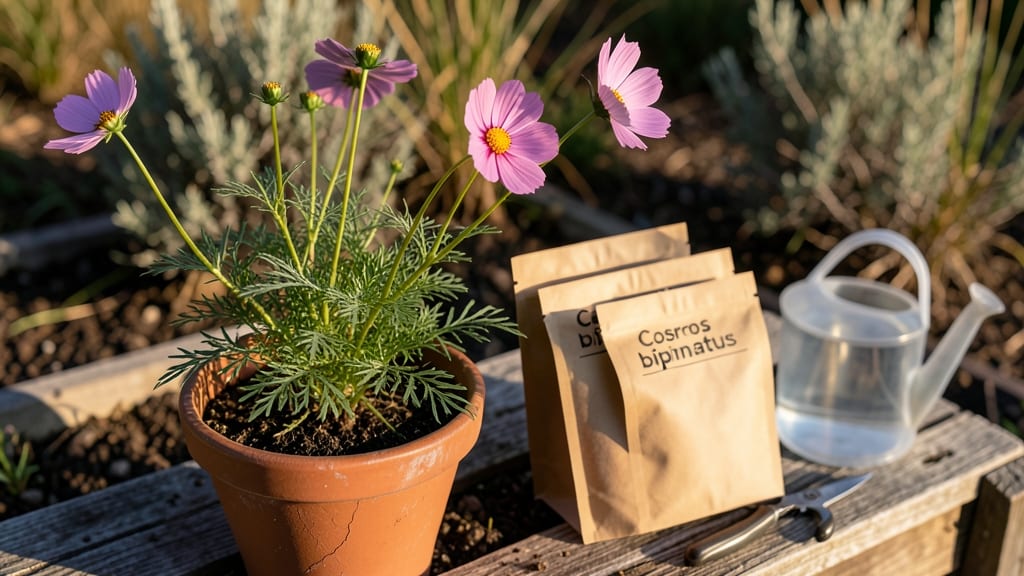
Timing varies because wildflowers aren't all created equal—annuals like cosmos bloom quickly in 6-8 weeks, while perennials such as black-eyed Susans may take 2-3 seasons to establish. 🌸 The key factors are soil temperature (most seeds need 60-70°F to activate) and moisture consistency.
I've found that prepping seedbeds with a light scratch and keeping them damp speeds up sprouting dramatically, especially in arid climates.
Don't forget that some wildflowers have hidden tricks—like needing a cold period (stratification) to break dormancy. This means planting in fall for spring blooms can actually cut weeks off your wait time compared to spring planting.
For best results, I recommend checking seed packets for specific instructions, as even within the same family, growth habits can differ wildly.
💡 In This Article
- Wildflower Germination and Growth Stages Explained
- Tips to Speed Up Wildflower Blooming Time
Wildflower germination and growth stages explained
Wildflower germination begins when seeds absorb moisture and their protective outer layers soften, a process called imbibition. Most wildflower seeds need soil temperatures between 60-70°F to activate this process, though cooler climates may require 8-12 weeks of stratification (a cold period) to break dormancy.
For example, black-eyed Susans often need this cold treatment, while cosmos seeds sprout within 5-7 days of planting in warm soil. The key difference lies in their natural habitats—northern perennials evolved with cold winters, while southern annuals adapted to quick, warm-season growth.
Once sprouted, seedlings enter a rapid growth phase where they develop their first true leaves, typically within 2-3 weeks. This stage is most vulnerable to drought or overwatering, as delicate roots struggle to establish.
I've noticed that proper soil prep—like mixing in compost to improve drainage—can reduce this phase by 30%. During this time, seedlings rely on stored energy from their seed coats, which is why consistent moisture is critical. Without it, they may enter dormancy again, delaying blooming by 2-4 weeks.
The transition from seedling to flowering occurs when plants reach 10-20% of their mature height, a process influenced by daylight length (photoperiod). Annuals like marigolds respond to increasing daylight in spring, while biennials like foxgloves need two growing seasons to store enough energy for blooming.
In my experience, providing 6-8 hours of sunlight daily accelerates this phase, especially for sun-loving varieties like cone flowers. The root system must also develop deeply—some wildflowers need roots 6-12 inches long before they'll allocate energy to flower production.
Regional climate plays a massive role in these timelines. In arid southwestern regions, wildflowers like blanket flowers may take 8-10 weeks to bloom after sprouting due to limited water, while eastern meadows with consistent rainfall see cosmos bloom in just 6 weeks.
Even within the same species, elevation changes can alter growth rates—mountain wildflowers often grow 20-30% slower than their lowland counterparts due to cooler temperatures and shorter growing seasons. This is why seed packets often specify "best grown in USDA zones 3-9" or similar regional guidance.
Here's what's happening under the surface during each stage:
- Germination (0-4 weeks): Seeds absorb 50-100% of their weight in water, swelling their seed coats until they rupture. Root hairs emerge first, anchoring the seedling within 24-48 hours in ideal conditions.
- Seedling (2-4 weeks): Photosynthesis begins as cotyledons (first leaves) unfold. The plant's energy shifts from seed reserves to sunlight, with roots growing 1-2 inches per week if moisture is consistent.
- Vegetative (4-8 weeks): Leaf production accelerates, and the plant builds biomass. This is when you'll see rapid height increases—some varieties like sunflowers can grow 2-3 inches per week during this phase.
- Flowering (6-12+ weeks): The plant's hormonal balance shifts to produce flowers, often triggered by specific day lengths. This stage requires 30-50% more water than earlier phases to support blooming.
The most common misconception is that all wildflowers follow the same timeline. In reality, the difference between a 6-week cosmos bloom and a 18-month black-eyed Susan establishment period comes down to their reproductive strategies.
Annuals like cosmos complete their entire life cycle in one season, while perennials like coneflowers allocate energy to root and foliage growth before flowering, ensuring they'll return year after year. Understanding these differences helps set realistic expectations for your garden's timeline.