
Blooming
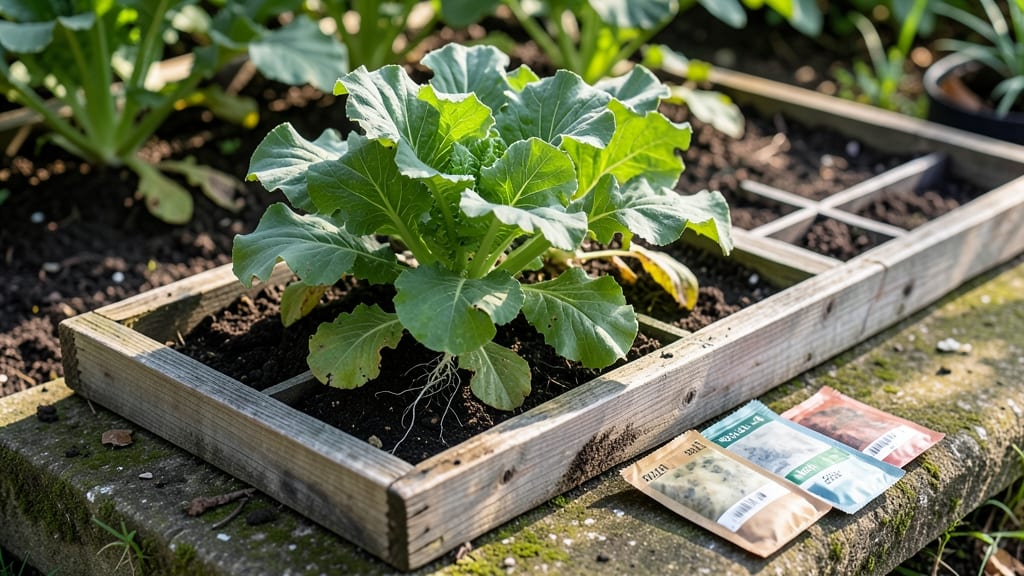
Knowing how long your garden seeds stay fresh is key to avoiding wasted money and failed gardens. 🌱 The lifespan varies wildly—some seeds like beans can last 5+ years if stored right, while delicate flowers may only keep for 1 year.
Temperature and humidity play huge roles: even a slightly damp environment can trigger mold or premature germination. I've learned the hard way that proper storage isn't just about keeping seeds dry—it's about controlling all three factors simultaneously to preserve that all-important germination potential.
For example, seeds from tropical plants often have shorter viability because their natural growing conditions are warm and moist. That's why I always check seed packets for specific storage instructions—some even recommend refrigeration for long-term preservation.
The good news? With the right containers and conditions, you can easily double or triple the standard shelf life of most seeds.
💡 In This Article
- Seed Viability Factors: Moisture, Temperature, and Storage
- Best Practices for Extending Seed Shelf Life
Seed viability factors: moisture, temperature, and storage
Seed viability hinges on three critical factors: moisture, temperature, and oxygen exposure. When seeds absorb even 5-10% moisture, enzymatic activity inside them accelerates, triggering metabolic processes that deplete stored nutrients essential for germination.
This is why seeds stored in damp environments (like basements without dehumidifiers) can lose viability in just 6-12 months, while properly dried seeds may last years. The science gets fascinating here—seeds contain specialized proteins that protect their DNA during dormancy, but these proteins degrade faster under high humidity.
Temperature works like a double-edged sword. Most seeds thrive in storage temps between 32-41°F (0-5°C), where metabolic processes slow to a crawl. Heat above 77°F (25°C) becomes dangerous—it can increase respiration rates by 50-100%, burning through stored energy reserves.
That's why tropical seeds (like peppers or tomatoes) often have shorter shelf lives (typically 1-2 years) compared to cool-climate seeds (like beans or peas, which can last 3-5 years). The rule of thumb: every 18°F (10°C) increase in storage temperature roughly halves seed lifespan.
Oxygen plays an unexpected role too. While we think of oxygen as essential for life, seeds actually prefer low-oxygen environments. High oxygen levels accelerate lipid oxidation in seed membranes, creating harmful free radicals that damage cellular structures.
This is why airtight containers work so well—they create a modified atmosphere that slows oxidative damage. 🌱 What's surprising is that some seeds (like onions and garlic) actually benefit from brief exposure to oxygen during their natural drying process before storage, but prolonged exposure after storage becomes detrimental.
Seed dormancy mechanisms also vary dramatically by species. Some seeds (like lettuce) have hard seed coats that require scarification to break dormancy, while others (like marigolds) produce chemical inhibitors that prevent premature germination.
These natural protections explain why some seeds appear viable but fail to sprout—what seems like "bad storage" might actually be the seed's built-in timing mechanism kicking in.
For example, tomato seeds often lose viability faster because their natural growing season is short, so they've evolved to prioritize quick germination over long-term storage.
Here's where things get practical: the "germination rate" is your best indicator of seed viability. Most seed packets list a 90%+ germination rate when fresh, but this drops to 80% after 1 year, 50% after 2 years, and below 20% after 3-5 years for most vegetables.
Flower seeds typically decline even faster—think 30% viability loss per year. That's why I always recommend testing a few seeds from old packets before committing to a full planting.
The most dramatic examples come from extreme storage conditions. In 1982, researchers found 2,000-year-old seeds in a dry cave in Israel that still germinated—proof that under perfect conditions (low moisture, stable temperature, minimal oxygen), seeds can remain viable for millennia.
Conversely, I've seen seeds stored in kitchen cabinets (where temps fluctuate and humidity rises) lose viability in just 6 months. The lesson? Your storage environment matters more than you might think.