
Lawn
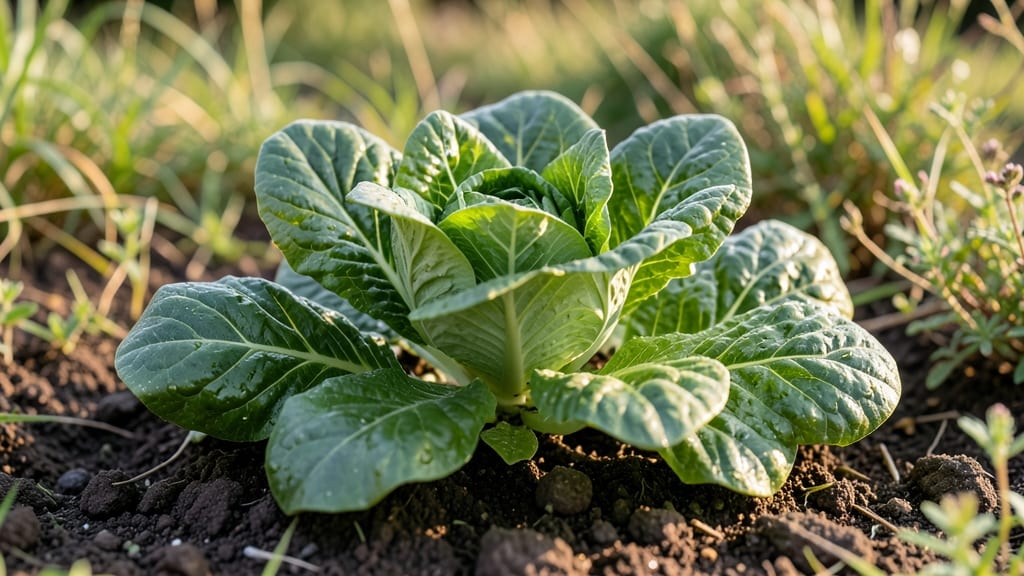
Growing Black Seed Simpson lettuce means year-round harvests without the frustrating bolting or bitterness that ruins other varieties. 🌱 I’ve grown this heirloom for three seasons now, and its resilience—especially in heat—has made it my go-to for both garden beds and containers.
The secret lies in its ability to tolerate cooler temperatures and even light frosts, while still delivering crisp, sweet leaves when others fail.
This lettuce thrives in partial shade to full sun, making it perfect for understory planting or container gardens on patios. Start seeds indoors 6-8 weeks before your last frost or sow directly into well-draining soil enriched with compost.
Space seedlings 12-18 inches apart to give them room to spread without overcrowding, which is key to preventing those bitter flavors. Water consistently—keeping the soil evenly moist but not soggy—and you’ll avoid the common pitfall of woody stems.
Harvesting is where Black Seed Simpson shines: cut-and-come-again works beautifully, and you can twist off outer leaves without damaging the core. This method keeps the plant producing for months, even in summer heat when other lettuces bolt.
For best flavor, pick leaves in the morning when they’re crispest, and avoid harvesting more than one-third of the plant at once to maintain growth.
Watch for slugs and aphids, which love tender lettuce leaves, but this variety handles pests better than many. If you’re growing in containers, choose 5-7 gallon pots for better drainage and stability. The real advantage?
You can grow it year-round in mild climates, or extend the season with row covers in cooler areas. Once you try it, you’ll wonder why you ever bought store-bought lettuce again.
📚 In This Guide
- What you need
- Instructions
- Tips and common mistakes
- Wrapping up and next steps
What you need
- ● Black Seed Simpson Lettuce Seeds: 1 packet (contains ~500 seeds, enough for a 10’ x 10’ patch). Opt for organic, non-GMO seeds for the best results.
- ● Growing Medium: Potting mix: 10 lbs of well-draining, peat-free organic mix (e.g., Miracle-Gro Organic Choice or FoxFarm Ocean Forest).
- ● OR Garden soil: Amend with 2-3 inches of compost to improve fertility and drainage.
- ● Containers (if not planting in-ground): 5-gallon grow bags (2-4 bags) or
- ● Raised garden bed (minimum 6” depth, 4’ x 8’ recommended).
- ● Fertilizer: Balanced organic fertilizer (e.g., 5-5-5 or 10-10-10) or
- ● Compost tea (for liquid feeding).
- ● Mulch: Straw or shredded leaves (2-3 inches) to retain moisture and suppress weeds.
- ● Hand trowel (for transplanting seedlings).
- ● Watering can or hose with a gentle spray nozzle (avoid overhead watering to prevent disease).
- ● Garden gloves (to protect hands from soil and prickly stems).
- ● Pruners or scissors (for harvesting leaves without damaging the plant).
- ○ Twist-tie or rubber bands (optional, for securing stems during twist-free harvesting).
- ○ pH testing kit (optional but helpful—ideal soil pH: 6.0-7.0).
- ● Sunlight: 4-6 hours of direct sun daily (partial shade in hot climates).
- ● Temperature: Cool-season crop—ideal germination at 50-75°F; avoid planting when temps exceed 80°F.
- ● Water: Consistent moisture (keep soil evenly damp but not soggy).
- ● Space: 12-18 inches apart for in-ground planting; thin seedlings to avoid overcrowding.
How to harvest Black Seed Simpson lettuce without twisting the core
This twist-free method keeps your lettuce producing fresh leaves for months—no bitter bolts or wasted heads.
🌱 Step 1: Identify the Perfect Harvest Window
Black Seed Simpson thrives when harvested at the 4-6 leaf stage—this is when the leaves reach 3-4 inches tall and develop a deep, rich color. You'll notice the outer leaves forming a loose rosette around a tight center. Harvesting too early means smaller leaves, but waiting too long risks the core bolting, especially in warmer weather.
Use a clean pair of sharp scissors (not fingers!) to snip just above the soil line. This encourages the plant to focus energy on producing more leaves rather than flowering. I like to harvest in the morning after dew has dried—this ensures the leaves are crisp and less prone to tearing.
🌿 Step 2: Cut Strategically to Preserve the Core
Make your cut at a 45-degree angle about ½ inch above the soil line. This angled cut prevents water from pooling on the stem, which can lead to rot. Avoid cutting too close to the base, as this can damage the growing point and stunt future harvests.
Leave the inner 2-3 leaves attached to the core. These will continue growing while the outer leaves regenerate. You’ll see new growth emerge within 5-7 days if conditions are right. If the core starts to yellow or wilt, it’s a sign you’ve cut too aggressively—adjust your next harvest to leave more leaves intact.
⏰ Step 3: Space Harvests for Continuous Production
Harvest every 7-10 days to maintain a steady supply. This frequent cutting prevents the plant from bolting and keeps the leaves tender. If you notice the core elongating or the leaves becoming bitter, you’re harvesting too infrequently—scale back to every 5-7 days instead.
In cooler months, you can extend harvests by 3-4 weeks beyond what you’d expect. Black Seed Simpson is cold-hardy, but avoid harvesting when soil temperatures drop below 40°F—the plant slows down and may develop tougher leaves. A simple soil thermometer helps track this.
💧 Step 4: Maintain Soil Moisture and Fertility
After each harvest, water deeply to 1 inch of soil depth to encourage regrowth. Lettuce roots are shallow, so consistent moisture is key. I use a drip irrigation system set to deliver water slowly—this prevents soil compaction and keeps the roots happy.
Feed the plants with a balanced liquid fertilizer (10-10-10) every 2-3 harvests to replenish nutrients. Over-fertilizing can lead to rapid but bitter growth, so dilute the fertilizer to half-strength and apply it in the morning. You’ll see a noticeable improvement in leaf size and tenderness within a week.
☀️ Step 5: Protect from Bolting and Pests
To prevent bolting, keep the soil consistently moist and avoid letting the plant experience temperature swings above 75°F. If you’re growing in summer, provide partial shade during the hottest hours. A lightweight row cover works well—it diffuses sunlight without blocking airflow.
Watch for slugs and aphids, which love tender lettuce leaves. I place copper tape around the base of plants to deter slugs and spray affected leaves with neem oil at the first sign of aphids. A quick inspection after watering helps catch pests before they become a problem.
Tips & tricks for perfect Black Seed Simpson lettuce harvesting
These practical insights will help you maximize your harvest and keep your Black Seed Simpson lettuce thriving for months.
Harvest Timing Secret: The 4-6 leaf stage is your sweet spot—this is when the leaves reach that perfect 3-4 inch height with vibrant color. I've learned the hard way that harvesting too early gives you puny leaves, while waiting too long risks bolting. Watch for that loose rosette formation around the core as your visual cue. Morning harvests after dew has dried also make a noticeable difference in crispness and handling.
Cutting Technique That Changed Everything: That 45-degree angle cut about ½ inch above the soil line isn't just about aesthetics—it's a water management system. The angled cut prevents pooling that leads to rot, while leaving ½ inch of stem preserves the growing point. I've seen firsthand how aggressive cuts can yellow the core within days. For extra protection, I now use sterilized scissors between harvests to prevent disease transfer.
Regrowth Strategy: Leaving those inner 2-3 leaves attached creates a built-in backup system. You'll see new growth emerge within 5-7 days if conditions are right—consistent moisture and proper temperature are your secret weapons here. The real test comes when you notice the core elongating or leaves turning bitter: that's your signal to harvest more frequently, every 5-7 days instead of waiting the full 7-10 days.
Soil Temperature Matters: Black Seed Simpson's cold-hardiness is impressive, but don't push it below 40°F for harvesting. I've seen leaves become tough and fibrous when temperatures dip too low. That 75°F upper limit is equally important—temperature swings above this trigger bolting. A soil thermometer becomes your best friend when you're pushing the seasonal limits of this variety.
Pro Tips for Black Seed Simpson Lettuce
- These practical insights will help you maximize your harvest and keep your Black Seed Simpson lettuce thriving for mo...
- Harvest Timing Secret: The 4-6 leaf stage is your sweet spot—this is when the leaves reach that perfect 3-4 inch heig...
- Cutting Technique That Changed Everything: That 45-degree angle cut about ½ inch above the soil line isn't just about...
Frequently asked questions
What’s the best time to harvest Black Seed Simpson lettuce?
Harvest your Black Seed Simpson lettuce when the leaves reach 4–6 inches tall and are tender but firm. For baby leaves, pick them 3–4 weeks after sowing. Use sharp scissors to snip outer leaves, leaving the inner ones to keep growing. Avoid cutting the core to encourage regrowth!
How do I store harvested Black Seed Simpson lettuce to keep it fresh?
Store lettuce in the crisper drawer of your fridge (90–95°F humidity) wrapped in a damp paper towel inside a plastic bag. It’ll stay fresh for 7–10 days. For longer storage, freeze dried leaves (blanch first) or ferment them in brine for probiotic benefits!
Why is my Black Seed Simpson lettuce bolting (going to seed) early?
Bolting happens due to heat stress, drought, or long daylight. To prevent it:
- Sow seeds in early spring or late summer for cooler temps.
- Use shade cloth (30–50%) if temps exceed 75°F.
- Water deeply but consistently (1 inch per week).
Can I grow Black Seed Simpson lettuce in containers?
Use a 5–7 inch deep pot with well-draining soil and drainage holes. Plant 2–3 seeds per container (thin to the strongest). Containers dry faster, so water daily in hot weather. Choose lightweight pots for easy moving if sunlight shifts.
What are good alternatives if Black Seed Simpson lettuce is hard to find?
Try these twist-free, heat-tolerant lettuces:
- Jericho Romaine – Slow-bolting, crisp, and great for wraps.
- Black Seeded Simpson (other varieties) – Like ‘Summer Crisp’ or ‘Winter Density.’
- Oakleaf Lettuce – Decorative, mild, and bolt-resistant.
- Leaf Lettuce Mixes – Often include heat-tolerant varieties.
Wrapping up and next steps
Harvesting Black Seed Simpson lettuce with the twist-free method isn’t just about fresh greens—it’s about effortless, year-round success! 🌱 Whether you’re a seasoned gardener or just starting, this technique ensures your lettuce stays crisp, flavorful, and ready to pick whenever you need it.
The key? Patience, the right tools, and a little know-how—and now, you’ve got all the steps to make it happen.
Ready to elevate your garden game? Start small—try a single pot or a dedicated bed—and watch your confidence (and harvest) grow! 💪 Next up: Experiment with companion plants like radishes or carrots to maximize space and flavor. Happy growing!