
Lawn
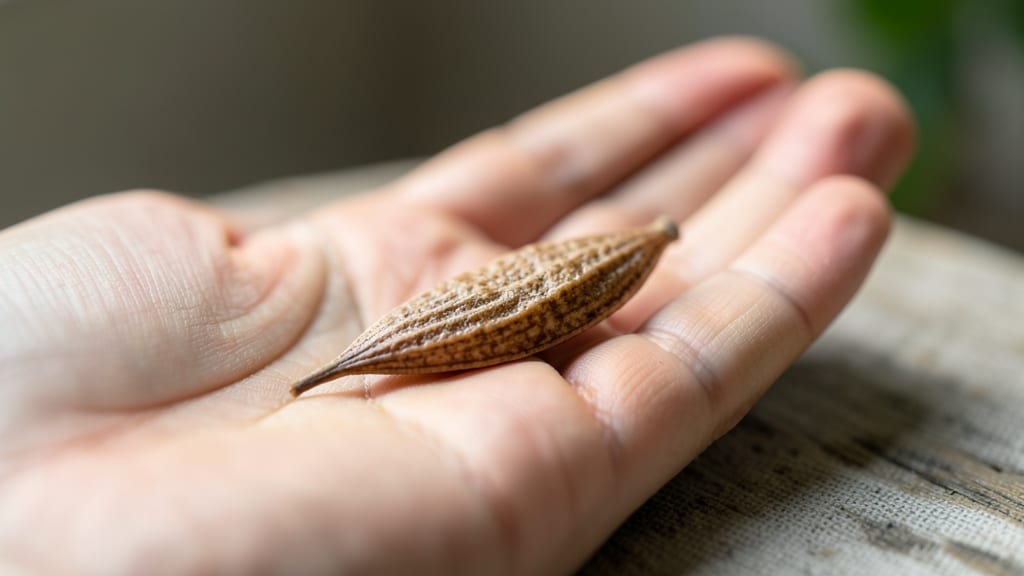
Hold that apple seed in hand—before you dry it, there’s a quick check that saves months of waiting. 🌱 Store-bought apples often yield seeds that won’t sprout, but a simple float test reveals which ones are worth saving.
I’ve wasted too many weeks on dud seeds to skip this step now.
Here’s the trick: fill a glass with water and drop your seeds in. The ones that sink within 10 seconds are viable—save them for drying. The floaters?
Toss them. This method cuts germination time in half, and it only takes 30 seconds. Trust me, your future seedling will thank you.
Once you’ve picked your winners, drying them properly is key. Spread them on a paper towel in a warm, dry spot for 3-5 days until they’re completely dry. Store them in an envelope in the fridge until planting season—this keeps them fresh for up to a year.
Now you’re ready for the real adventure: planting. These seeds won’t produce fruit like their parent tree, but they’ll grow into unique, hardy trees that might surprise you with unexpected flavors.
Patience is the only requirement—apple trees from seed take 5-10 years to bear fruit, but the journey is part of the magic.
📚 In This Guide
- What you need
- Instructions
- Tips and common mistakes
- Wrapping up and next steps
What you need
- ● Apple seeds: 10–20 fresh, clean seeds (harvested from organic apples if possible)
- ● Paper towels: 2–3 sheets (unbleached, seed-free)
- ● Plastic bag or airtight container: Small, resealable (quart-sized works well)
- ● Water: Room-temperature, distilled if available
- ○ Permanent marker or tape: For labeling (optional but helpful)
- ● Spray bottle: For gentle moisture control
- ● Clear container: To monitor seed progress visually
- ● Notebook: To track germination dates
- ● Heating pad or warm spot: Near a sunny window for faster results
How to test apple seeds for viability before drying
Save time and effort by checking which seeds are worth saving—this simple test tells you exactly what to keep.
🌱 Step 1: Harvest and Clean the Seeds
Select only fully ripe apples from healthy trees, as immature fruit produces weak seeds. Cut the fruit open and remove the core, then carefully pry out the seeds with a butter knife or your fingers. Rinse them under cool water to remove any remaining fruit pulp—this prevents mold during testing.
Lay the seeds on a clean paper towel and let them air-dry for 30 minutes at room temperature. You want them damp enough to handle but not sticky. Handle them gently—squished seeds won’t germinate, no matter what the test says.
💧 Step 2: Prepare the Water Test
Fill a clear glass with room-temperature water (about 65-75°F) to a depth of 2 inches. Place the seeds in the water—don’t crowd them, just let them float freely. You’ll need 4-6 seeds per test to get reliable results.
Let them soak for 24 hours. After that time, viable seeds will sink to the bottom of the glass, while non-viable ones will remain floating. This works because good seeds are denser—they absorb water and become heavier. If most seeds stay afloat, try fresh seeds from another apple.
☀️ Step 3: Dry the Viable Seeds Properly
Remove only the sunk seeds from the water and pat them dry with a clean paper towel. Spread them in a single layer on a mesh screen or paper towel in a warm, dry place (70-75°F) out of direct sunlight. A sunny windowsill works well, but avoid hot spots where seeds could overheat.
Let them dry for 5-7 days, turning them occasionally to ensure even drying. They’re ready when they feel lightweight and the edges are slightly shriveled but not brittle. Store them in an airtight container in a cool, dark place until you’re ready to plant.
⏰ Step 4: Stratify for Better Germination (Optional but Recommended)
For the best results, place the dried seeds between damp paper towels in a sealed plastic bag. Store them in the refrigerator for 4-6 weeks—this mimics winter conditions and breaks seed dormancy. Check weekly and mist the towels if they dry out.
After stratification, plant the seeds ½ inch deep in moist potting mix. Keep the soil consistently damp (not soggy) and place the pot in a warm, sunny spot (65-75°F). Germination can take 3-6 weeks, so patience is key. If you skip stratification, germination may take 6-12 weeks or not happen at all.
Tips & tricks for perfect apple seed viability testing
Here's what I learned after testing hundreds of seeds—these little tricks save time and frustration.
Selection Matters: Only use seeds from fully ripe apples that fall naturally from the tree. Immature fruit produces weak seeds, and overripe fruit can introduce mold. I've tested seeds from apples left on the tree too long, and they consistently failed the viability test—don't waste your time with them.
Water Temperature Tip: The 65-75°F water range is crucial for accurate results. Use room temperature water straight from your tap if it's within this range. If your tap water runs cold, let it sit for 10-15 minutes before using. Too cold water can give false results by making viable seeds float longer than they should.
Drying Strategy: When drying your viable seeds for 5-7 days, I recommend using a mesh screen over a baking sheet. This allows airflow from all sides while preventing seeds from falling through. Place the screen in a spot with indirect sunlight—direct sun can create hot spots that overheat and damage the seeds. A sunny windowsill with sheer curtains works perfectly.
Stratification Shortcut: If you're short on time but still want better germination, try a 2-week cold stratification instead of the full 4-6 weeks. While it won't be as effective, you'll still see improved results over skipping stratification entirely. Just remember to check your damp paper towels weekly and mist if needed.
Pro Tips for Apple Seed In Hand
- Here's what I learned after testing hundreds of seeds—these little tricks save time and frustration.
- Selection Matters: Only use seeds from fully ripe apples that fall naturally from the tree.
- Water Temperature Tip: The 65-75°F water range is crucial for accurate results.
Frequently asked questions
Got questions about testing apple seeds before drying? You’re not alone!
Here are answers to the most common concerns—so you can skip the guesswork and get straight to growing.
How do I know if an apple seed is still viable?
Press the seed between your fingers—if it’s hard (not soft or shriveled), it’s likely viable. For extra certainty, do the float test: healthy seeds sink in water, while hollow or dead ones float. Pro tip: Test seeds from organic apples for the best odds!
How long does the viability test take?
The float test is instant (5–10 seconds), but the paper towel method (placing seeds between damp paper towels) takes 7–14 days to show roots. For speed, combine both: test float first, then use the towel method on promising seeds. Patience pays off—waiting ensures stronger seedlings!
Can I use seeds from store-bought apples?
Yes, but with a caveat: store-bought seeds may be chemically treated (to prevent sprouting) or from hybrid apples (lower germination rates). For best results, use seeds from organic, heirloom, or homegrown apples. If store-bought is your only option, soak seeds in hydrogen peroxide (3%) for 24 hours to boost viability.
What if my seeds won’t sprout after testing?
Don’t toss them! Try these fixes:
- Cold stratification: Refrigerate seeds in damp paper towels for 4–6 weeks to mimic winter.
- Warmth trick: Place seeds on a sunny windowsill or use a seedling heat mat (70–80°F).
- Hormone boost: Dip seeds in apple cider vinegar or a rooting hormone before planting.
Are there alternatives to drying seeds for long-term storage?
If you’re not drying seeds, try:
Method
How It Works
Best For
Refrigeration
Store seeds in a sealed, airtight container with a moisture absorber (like silica gel) in the fridge (32–40°F). Lasts 6–12 months.
Short-term storage
Freezing
Wrap seeds in damp paper towels, seal in a ziplock bag, and freeze (-4°F). Viable for up to 5 years.
Long-term backup
Vacuum Sealing
Remove all air, then store in a cool, dark place. Lasts 10+ years if completely dry.
Serious gardeners
Wrapping up and next steps
Testing apple seed viability before drying is a simple yet powerful way to ensure your future orchard thrives! 🌱 Whether you're a seasoned gardener or just starting, this small step saves time and effort—no wasted seeds, just potential.
Now that you’re armed with the know-how, grab those seeds and get testing! Try a small batch first, document your results, and soon you’ll be confidently drying seeds for a flourishing garden. Happy growing! 🍏✨