
Propagation
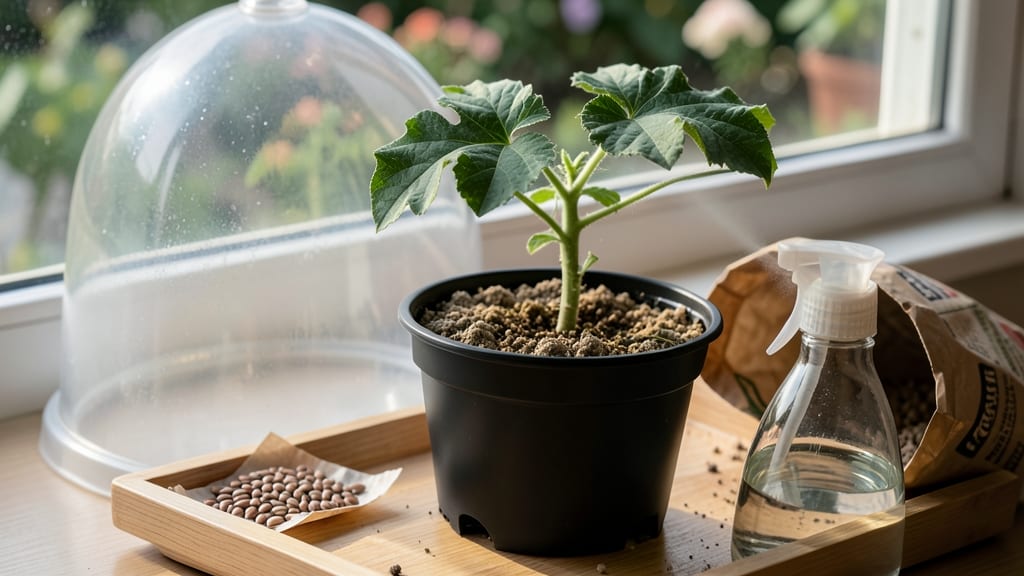
Growing watermelon from seed indoors starts with the right warmth and patience—these vines will surprise you with how fast they germinate when given the perfect cozy conditions. 🌱 I’ve watched seedlings pop up in just 3-5 days when kept at 80°F soil temperature, beating the outdoor timeline by weeks.
The key isn’t just heat, though—it’s mimicking the tropical conditions watermelons crave before they’re ready for the garden.
You’ll need just a few simple supplies: biodegradable pots (so you can transplant without disturbing roots), a seed-starting mix that drains well, and a heat mat or sunny windowsill. Most people overlook the soil temperature—it’s the real game-changer.
Too cool, and seeds rot; too hot, and they dry out before sprouting. Aim for 75-85°F soil, and keep the mix damp but not soggy.
By the time you’re ready to transplant, you’ll have sturdy 3-inch seedlings with true leaves—proof that indoor growing works for watermelons too.
The vines might sprawl (expect 6-10 feet of growth), but with proper support and light, you’ll harvest sweet, small-fruited varieties like ‘Sugar Baby’ or ‘Tiny Tim’ months earlier than store-bought plants.
Here’s the secret: watermelons love warmth, but they hate being rushed. Start seeds 4-6 weeks before your last frost, and don’t skimp on light—supplement with grow lights if your windowsill isn’t bright enough. The payoff? Juicy, homegrown melons with flavors you’ll never find in a grocery store.
📚 In This Guide
- What you need
- Instructions
- Tips and common mistakes
- Wrapping up and next steps
What you need
- ● Watermelon seeds: 3–5 seeds (choose a compact variety like 'Sugar Baby' or 'Tiny Tim' for indoor growing).
- ● Growing containers: 2–3 small pots (4–6 inches deep) or a seed tray with individual cells.
- ● Drainage holes are a must—no soggy roots!
- ● High-quality potting mix: 1 bag (sterilized, seed-starting mix with perlite or vermiculite for aeration).
- ● Grow lights or sunny windowsill: LED grow lights (12–16 hours/day) or a south-facing window (6+ hours of sunlight).
- ○ Heat mat (optional but helpful): A small seedling heat mat (70–85°F range) to speed up germination.
- ● Spray bottle: For gentle watering (avoid oversaturating seeds!).
- ● Humidity dome or plastic wrap: To retain moisture while seeds sprout.
- ● Fertilizer: Balanced liquid fertilizer (5-5-5 or 10-10-10, diluted to half-strength).
- ● Warmth is key! Watermelon seeds need soil temps of at least 70°F to germinate—use a heat mat if your home is chilly. 🌡️
- ● Pre-soak seeds: Soak in warm water for 4–6 hours before planting to jumpstart germination. ⏳
- ● Thin seedlings: Once sprouts appear, keep only the strongest 1–2 per pot to avoid overcrowding. 🌱
Step-by-step instructions for growing watermelon from seed indoors
Here’s how to jumpstart your watermelon plants indoors with speed and confidence—no guesswork.
🌱 Step 1: Prepare Containers and Warmth-Loving Soil Mix
Watermelon seeds need warmth to germinate quickly, so start with biodegradable peat pots (3-4 inches deep) filled with a sterile seed-starting mix blended with 20% perlite or vermiculite. This ensures proper drainage while retaining moisture. I like to pre-warm the mix by placing the pots in a seedling heat mat set to 80-85°F for at least 12 hours before planting—this mimics the soil temperatures watermelons crave in their native tropics.
Fill each pot to 1 inch below the rim, then tap gently to settle the soil without compacting it. Press down lightly with your finger to create a small dimple—just deep enough to cradle a single seed. Watermelon seeds are large, so one per pot prevents overcrowding and ensures strong root development. Label each pot with the variety and date, because these plants grow fast once they break through the soil.
💧 Step 2: Sow Seeds and Maintain Ideal Moisture
Place one seed per pot into the dimple, then cover it with ¼ inch of soil—no deeper, or the seedling will struggle to reach light. Mist the surface lightly with a spray bottle until the soil feels evenly damp but not soggy. Watermelon seeds need consistent moisture to germinate, but standing water will rot them before they sprout. I use a clear humidity dome to trap warmth and moisture, but I check daily to prevent condensation buildup, which can smother emerging seedlings.
Place the pots in a warm, dark location (like a closed cabinet or under a blanket) until germination. You’ll see sprouts in 5-7 days if conditions are perfect—look for the radicle (first white root) pushing through the soil before the shoot appears. This is your signal to move them to light immediately. If germination takes longer, the soil may be too cool; adjust your heat mat to 85°F and try again.
☀️ Step 3: Provide Bright Light and Prevent Leggy Growth
Once seedlings emerge, move them to a south-facing window or under full-spectrum LED grow lights positioned 2-3 inches above the plants. Watermelons need 14-16 hours of light daily to grow strong and compact. Without enough light, seedlings stretch toward the source (called "leggy"), and those weak stems won’t support the heavy vines and fruit later. You’ll know your light is right when seedlings have thick stems, dark green leaves, and leaves spaced 1-2 inches apart.
Rotate the pots a quarter turn daily so plants grow straight, not lopsided. If you notice leaves touching the light fixture, raise it immediately—watermelon seedlings grow fast and will outgrow their space in 10-14 days. At this stage, I start fertilizing lightly with a half-strength balanced liquid fertilizer (10-10-10) every 7-10 days to encourage healthy foliage without burning tender roots.
⏰ Step 4: Harden Off and Transplant After True Leaves Form
When seedlings develop their first true leaves (the second set after the initial cotyledons), they’re ready for hardening off. Start by placing them outside in a sheltered, shaded spot for 1-2 hours the first day, then gradually increase exposure over 7-10 days. Watermelons are sensitive to cold, so wait until nighttime temperatures stay above 55°F before transplanting. You’ll know they’re ready when they wilting briefly in the afternoon sun but bounce back within an hour.
Transplant after the last frost, spacing plants 3-4 feet apart in well-draining soil enriched with compost. Watermelons need warm soil (70°F+) to thrive, so I often use black plastic mulch to speed up soil warming in cooler climates. Bury the seedlings deeper than they were in pots—up to the first true leaves—to encourage strong root systems. Water deeply at the base, avoiding the leaves to prevent fungal diseases like powdery mildew, which loves humid conditions.
Tips & tricks for fast indoor watermelon germination
Here's what I learned after testing different methods to speed up those stubborn watermelon seeds—these tricks cut germination time in half.
Heat Mat Precision: That 12-hour pre-warming at 80-85°F is non-negotiable for fast germination, but I found the sweet spot is actually 82°F. Use a heat mat with a built-in thermostat to maintain this exact temperature—any lower and you'll wait weeks for sprouts. Pro tip: Place a small thermometer directly in the soil mix to verify the heat mat isn't running hotter than advertised. Watermelon seeds need consistent warmth to activate their enzymes quickly.
Seed Selection Strategy: Not all watermelon seeds germinate at the same speed. Choose varieties specifically bred for short seasons like 'Sugar Baby' or 'Straight Eight'—these typically sprout 2-3 days faster than heirloom types. I also soak seeds overnight in warm water before planting to jumpstart the process, but never exceed 24 hours or they'll rot. This pre-soaking shaves off 1-2 days from your germination timeline.
Light Transition Hack: When moving seedlings from darkness to light after 5-7 days, don't rush it! Gradually increase light exposure over 24 hours to prevent shock. Start with just 2 hours of indirect light on day one, then add 1 hour each subsequent day until they're getting full 14-16 hours. This gradual adjustment prevents the "leggy" growth you'll see when plants stretch desperately toward sudden bright light. I use a small LED grow light on a timer for this transition phase—it's gentler than direct sunlight.
Humidity Dome Watch: The clear humidity dome is your secret weapon, but condensation is the silent killer. Check daily and lift it for 10 minutes to prevent fungal growth, especially after germination. I place a small fan on low setting near the dome for 5 minutes twice daily to circulate air without disturbing the seedlings. This keeps humidity high enough for germination while preventing mold that can smother your sprouts before they even emerge.
Pro Tips for Growing Watermelon From Seed Indoors
- Here's what I learned after testing different methods to speed up those stubborn watermelon seeds—these tricks cut germination time in half.
- Heat Mat Precision: That 12-hour pre-warming at 80-85°F is non-negotiable for fast germination, but I found the sweet spot is actually 82°F.
- Seed Selection Strategy: Not all watermelon seeds germinate at the same speed.
Frequently asked questions
Got questions about growing watermelon from seed indoors? You’re not alone—this process can feel tricky at first! Below, we’ve answered the most common questions to help you avoid pitfalls and grow confidently.
How long does it take for watermelon seeds to germinate indoors?
Watermelon seeds typically sprout in 5–10 days indoors, provided your soil stays consistently warm (70–90°F) and moist. Use a seedling heat mat or place pots near a sunny window to speed things up. If germination takes longer than 2 weeks, check moisture levels or seed viability—some seeds may need a quick soak in warm water before planting.
Can I grow watermelons indoors without a greenhouse?
While watermelons thrive in greenhouses, you can grow smaller varieties (like ‘Sugar Baby’ or ‘Tiny Tim’) indoors using grow lights, large containers (5+ gallons), and a sunny windowsill. Limit vines with pruning or a trellis, and expect fruits around 8–12 inches in diameter. Just ensure 6+ hours of light daily and warm temps (75°F+).
Why are my watermelon seedlings turning yellow or leggy?
Yellowing leaves often signal overwatering, poor drainage, or insufficient light. Leggy seedlings mean they’re stretching for light—boost brightness with a grow light (12–16 hours/day) or rotate pots daily. Use well-draining soil and water only when the top inch feels dry. If lower leaves yellow first, it’s normal; prune them to redirect energy to new growth.
Do watermelon seeds need to be soaked before planting?
Soaking seeds for 4–6 hours in warm water can improve germination rates, especially if your seeds are older or stored dry. Skip this step if your seeds are fresh (<1 year old) and planted in warm, moist soil. Pro tip: Use a paper towel sandwich method (moisten a towel, wrap seeds, and place in a warm spot) for faster sprouting in 2–3 days.
When should I transplant indoor watermelon seedlings outdoors?
Wait until nighttime temps stay above 55°F and seedlings have 3–4 true leaves (usually 3–4 weeks after germination). Harden off plants by gradually exposing them to outdoor conditions over 7–10 days. Choose a spot with full sun (6+ hours/day) and rich, well-draining soil. Transplant after sunset to reduce shock, and water deeply to help roots establish.
Wrapping up and next steps
Growing watermelon from seed indoors is a rewarding journey that combines patience, warmth, and a little green thumb magic! 🌱 With the right setup—like cozy grow lights, nutrient-rich soil, and consistent care—you’ll soon be watching tiny sprouts transform into thriving vines.
The key takeaway? Start early, stay consistent, and don’t hesitate to troubleshoot—your future harvest is worth every effort.
Ready to take the next step? Once your seedlings are strong and the last frost has passed, transplant them outdoors (or keep them in containers if you’re short on space). Watch as your indoor babies stretch toward the sun—soon, you’ll be enjoying homegrown watermelon straight from your own garden! 🍉✨