
Lawn
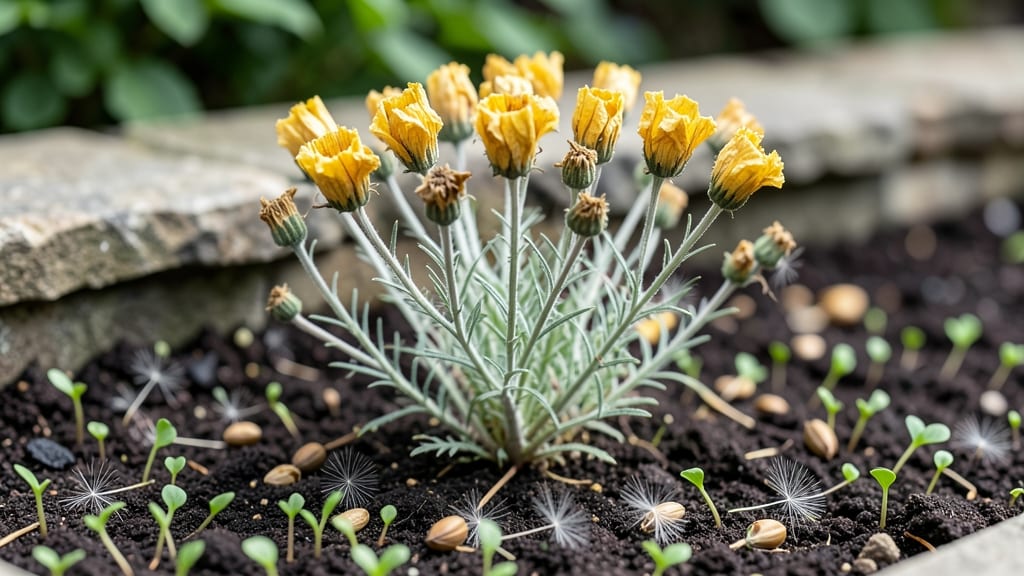
Strawflowers (Helichrysum bracteatum) turn your garden into a papery, sunlit dream—but they’ve got a sneaky habit of self-seeding that can either be a lucky bonus or a messy surprise.
I’ve watched them pop up in my Zone 7 beds for years, their delicate blooms appearing where I didn’t even plant them. The key? Their tiny, wind-borne seeds cling to stems until they’re ready to drop, often right where the parent plant stood.
The good news: they thrive in well-drained soil and full sun, making them perfect for low-maintenance gardens. But if you’re not careful, they’ll spread faster than weeds—especially in mild climates where winters aren’t cold enough to kill them off.
In hotter zones, they might even bloom year-round if conditions are right. The trade-off? More flowers for you, but potential chaos if you’re not managing them.
To keep them in check, deadhead spent blooms before seeds form, or let them self-seed in a designated spot where you can enjoy the surprise. If they’re taking over, thin seedlings early—3-4 inches apart gives them room to grow without crowding.
The result? A garden that fills itself with cheerful, long-lasting blooms with almost no effort.
For cooler climates, treat them as annuals—they’ll self-seed lightly, but not aggressively. In warmer areas, they might naturalize like perennials, giving you free plants every year. Either way, their drought tolerance and vibrant colors make the trade-off worth it.
How Nature Takes Over
Strawflowers (or Helichrysum bracteatum) are known for their vibrant, papery blooms—but those same flowers can also trigger an unexpected gardening phenomenon: volunteer seedlings popping up where you least expect them. This happens because strawflowers have evolved to spread efficiently, and their biology plays a key role.
Let’s break down the science behind why your garden might suddenly be dotted with tiny, uninvited strawflower sprouts.
Strawflowers produce tiny, lightweight seeds that catch the breeze like dandelion fluff. Each seed head contains hundreds of seeds encased in fluffy, papery bracts—perfect for wind dispersal. When the flowers fade and dry, they release seeds that can travel dozens (or even hundreds) of feet from the parent plant.
- Actionable tip: If you notice seedlings far from your intended planting area, check nearby wind paths (e.g., open spaces, driveways, or neighboring yards). Strawflowers love to colonize new territory!
- Pro move: Deadhead spent blooms before they fully dry to reduce seed spread. Use pruners or simply twist off the seed heads by hand.
Birds, squirrels, and even insects unwittingly transport strawflower seeds. The seeds aren’t just light—they’re also nutritious enough to attract wildlife. Birds may peck at dried flower heads, dislodging seeds that land in soil or compost piles. Squirrels might bury them (intentionally or not), only for them to sprout later.
- Why it matters: If you have a bird feeder nearby, seed dispersal can skyrocket. Strawflower seeds are small enough to pass through digestive systems intact, meaning they can germinate after being deposited elsewhere.
- Prevention hack: Place a fine mesh bag over seed heads if you’re concerned about animal spread—or relocate bird feeders farther from your strawflower patch.
Strawflower seeds are dormant until the right conditions arrive. They need a combination of:
- Moisture: A good rain or watering session can kickstart germination. Seeds absorb water and swell, breaking their dormancy.
- Warmth: Ideal soil temps for sprouting are between 60–75°F (15–24°C). Cooler soils may delay germination.
- Light exposure: Unlike some flowers, strawflower seeds don’t need darkness to germinate—they’re happy in full sun.
Once these factors align, seeds that have been lying dormant for months (or even years) in the soil can suddenly burst into life.
- Garden math: If your area gets seasonal rains followed by warm spells, expect a seedling explosion in spring or early summer.
- Control tactic: Lightly scratch the soil surface in early spring to expose any buried seeds to sunlight and speed up germination—then remove the sprouts before they take root.
Strawflowers are perennial self-seeders by design. In the wild, this trait ensures their survival—even if the parent plant dies, the seeds ensure the next generation. Their long seed viability (some can stay dormant for 2+ years) means old seeds in your soil may still sprout.
Fun fact: Some strawflower varieties are more aggressive at self-seeding than others. For example, ‘Limelight’ or ‘Ruby Wedding’ tend to produce more prolific seed heads than ‘Moonshine’.
- Breeding insight: If you’re growing strawflowers for cut flowers, consider sterile hybrids (like Helichrysum ‘Dubai’) that produce fewer seeds—or hand-pollinate open-pollinated varieties to control where seeds drop.
- Long-term fix: If you want to stop self-seeding entirely, dig up volunteer seedlings before they flower. Repeat for 2–3 seasons to exhaust the seed bank in your soil.
Stop Unwanted Strawflower Spread
If your strawflowers are self-seeding more than you’d like, don’t worry—there are simple ways to manage (or even encourage!) their growth. Below, we’ll tackle the most common causes of unwanted spread and provide practical fixes, from quick fixes to long-term prevention. Let’s reclaim your garden without sacrificing those cheerful blooms!
Strawflowers love to drop seeds, and if left unchecked, they’ll pop up in cracks, lawns, or flower beds. To control this:
🔥 Pull or Trim Before Seed Heads Dry
- When: Late summer to early fall, before seed heads turn brown.
- How: Snip off spent blooms with clean pruners or pinch them off by hand. Pro tip: Wear gloves—some gardeners find the dried petals irritating!
- Why it works: Removing seed heads early stops them from releasing thousands of tiny seeds into your yard.
🍳 Collect Seeds for Controlled Planting
- When: Seed heads are fully dried but haven’t scattered yet.
- How: Place a paper bag over the flower head and tie it shut. Shake gently to release seeds into the bag. Store in a cool, dry place until planting.
- Why it works: You’ll have exactly where (and when) you want those strawflowers to grow—no surprises!
👨🍳 Mulch Heavily After Blooming
- When: After flowers fade but before seeds mature.
- How: Apply a thick layer (2–3 inches) of mulch (straw, wood chips, or even cardboard) around the base. This blocks sunlight, preventing seeds from germinating.
- Why it works: Mulch smothers emerging seedlings before they become a nuisance.
If strawflowers are thriving too well in your garden beds, they can outcompete other plants. Here’s how to thin them out:
⏰ Thin Seedlings Early
- When: As soon as seedlings sprout (usually 2–4 weeks after blooming).
- How: Use a small trowel or your fingers to gently pull unwanted seedlings. Leave the healthiest 2–3 plants per clump, spaced 12–18 inches apart.
- Why it works: Prevents overcrowding and gives remaining plants room to grow strong.
🔪 Divide Clumps in Spring
- When: Early spring before new growth starts.
- How: Dig up mature strawflower clumps, separate the roots into smaller sections (each with 3–4 stems), and replant them elsewhere.
- Why it works: Renews the parent plant’s energy and lets you relocate stragglers to less competitive spots.
Strawflowers can sneak into lawns, sidewalks, or other areas where you don’t want them. Stop them in their tracks:
🎯 Block Light in Problem Areas
- Where: Cracks in pavement, lawn edges, or bare soil.
- How: Lay down landscape fabric or a thick layer of mulch to prevent seeds from taking root.
- Why it works: Seeds need light to germinate—block it, and you block the problem!
💡 Hand-Pull or Smother Weeds
- When: Seedlings are tiny (easier to remove before they root deeply).
- How: Pull weeds by hand on a dry day, or smother them with black plastic or cardboard for a few weeks to kill emerging plants.
- Why it works: Physical removal is faster than waiting for them to mature.
🌿 Choose Low-Spreading Varieties
- What to look for: Dwarf strawflower varieties (like Helichrysum petiolare ‘Lamb’s Ear’) or single-stemmed types that produce fewer seeds.
- Why it works: Some cultivars are naturally less aggressive spreaders—perfect for contained gardens!
If you’re okay with some spread (or even want more strawflowers!), use these seeds intentionally:
- 🌼 Wildflower Meadows: Scatter seeds in a designated area for a low-maintenance, pollinator-friendly display.
- 🎨 Cut Flower Gardens: Let a few self-seed near your cutting garden for a steady supply of long-lasting blooms.
- 🎁 Gifts for Friends: Collect seeds and share them—every gardener loves free, cheerful flowers!
With these strategies, you’ll enjoy strawflowers’ beauty without the chaos. Whether you’re a minimalist gardener or a wildflower enthusiast, there’s a solution that fits your style. Happy gardening! 🌸
Frequently asked questions
How far can strawflower seeds travel from the parent plant?
Strawflower seeds are lightweight and can travel dozens (or even hundreds) of feet on the wind! Their papery bracts act like tiny parachutes, carrying them far from where they originally grew. This is why you might find unexpected seedlings in lawns, cracks, or even neighboring yards.
Can I intentionally grow strawflowers from self-seeded plants?
Self-seeded strawflowers often produce plants just as vibrant as their parents. To encourage this, let a few plants go to seed in a designated area, then thin seedlings to 12-18 inches apart for optimal growth. This creates a natural, low-maintenance display.
Why do some strawflower varieties self-seed more aggressively than others?
Certain varieties like ‘Limelight’ or ‘Ruby Wedding’ produce more prolific seed heads, leading to heavier self-seeding. In contrast, dwarf varieties like ‘Moonshine’ or Helichrysum petiolare tend to spread less aggressively. Choose based on your garden goals!
How long can strawflower seeds stay dormant in the soil?
Strawflower seeds can remain viable in the soil for 2+ years under ideal conditions. They wait for the right mix of moisture, warmth (60–75°F), and sunlight to germinate. This explains why you might suddenly see seedlings pop up after years of no strawflowers!
What’s the best way to stop strawflowers from spreading to unwanted areas?
For stubborn spreaders, apply a thick layer of mulch (2-3 inches) after blooming to block sunlight, or use landscape fabric in cracks/pavement. Hand-pull seedlings early, or smother them with black plastic for a few weeks. For long-term control, deadhead before seeds form.