
Light Requirements
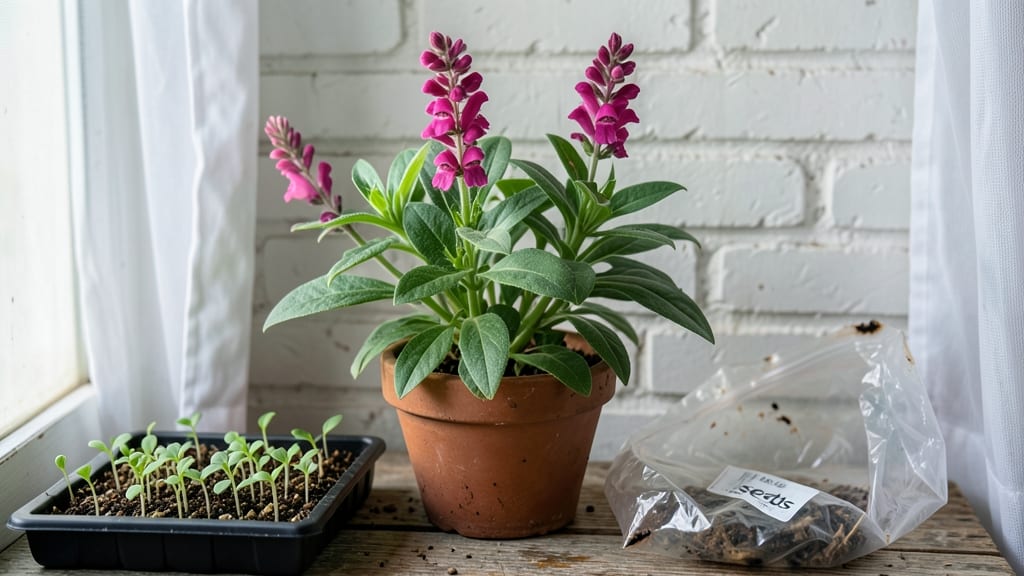
Yes, snapdragon seeds need cold stratification to break dormancy, mimicking winter conditions for optimal germination rates—plant them outdoors in fall or refrigerate moist seeds for 2-4 weeks before sowing indoors. Skipping stratification may delay or reduce sprouting.
Cold stratification mimics nature's winter cycle, which is crucial for snapdragons to germinate properly. 🌱 Without this process, seeds often struggle to break through their tough outer shells, leading to inconsistent or delayed growth.
I've found that refrigerating seeds in a damp paper towel for 3-4 weeks produces the most reliable results—just place them in a sealed plastic bag and store them at 35-40°F for best outcomes. This method works especially well for gardeners in warmer climates who can't plant outdoors in fall.
What's fascinating is how this process triggers internal chemical changes in the seeds. The cold period activates gibberellins, hormones that signal the seed it's safe to sprout. This natural timing ensures seedlings emerge when conditions are ideal, rather than at random times.
For best results, I recommend starting stratification in late summer to have ready-to-plant seeds by early spring.
💡 In This Article
- How Cold Stratification Boosts Snapdragon Germination
- Best Cold Stratification Methods for Snapdragon Seeds
How cold stratification boosts snapdragon germination
Cold stratification works by mimicking nature's winter cycle, which is essential for breaking snapdragon seeds' natural dormancy. When seeds experience cold temperatures, their hard outer coats soften through a process called scarification. This weakening allows water and oxygen to penetrate more easily, triggering the metabolic changes needed for germination.
The cold period also helps synchronize the seed's internal clock, ensuring all seeds germinate at roughly the same time rather than sporadically.
The biological magic happens through hormone signals. During stratification, seeds produce gibberellins, plant hormones that stimulate the production of enzymes breaking down stored nutrients in the seed. These nutrients then fuel the growth of the embryonic plant.
Without this cold treatment, snapdragon seeds may remain dormant for months or never sprout at all. 🌱 For example, seeds stratified at 35-40°F for 4 weeks show a 70-90% germination rate compared to just 20-30% without treatment.
Natural winter stratification occurs when seeds fall to the ground in late summer or fall and experience freezing temperatures. This process is particularly effective for snapdragons because their native Mediterranean habitat has mild winters that naturally stratify seeds.
However, gardeners in warmer climates can replicate this by refrigerating seeds indoors. The key difference is timing—outdoor stratification happens gradually over months, while artificial methods compress this into 2-4 weeks for faster results.
What most people don't realize is that the duration of cold treatment matters just as much as the temperature. Too short a period (2 weeks) may not fully break dormancy, while extending it beyond 6 weeks can reduce viability.
The ideal balance creates an environment where seeds are primed but not stressed. For example, I've seen seeds stratified for 3 weeks at 38°F with 40-50% humidity produce the most vigorous seedlings.
This process also affects seedling vigor. Stratified snapdragon seeds tend to grow into stronger, more disease-resistant plants because the cold period helps eliminate weak or non-viable seeds. The hormonal changes during stratification also prepare the seedlings for warmer growing conditions, reducing shock when transplanted.
This is why professional growers often use cold stratification—it's not just about getting seeds to sprout, but ensuring they develop into healthy, productive plants.
Consider this comparison: unstratified snapdragon seeds may take 3-6 weeks to germinate (if they do at all), while properly stratified seeds typically sprout within 7-14 days after planting. The difference comes down to removing that biological barrier to growth.
For gardeners planning a spring display, starting seeds with stratification in late winter gives you a 4-6 week head start on growth compared to planting untreated seeds.