
Propagation
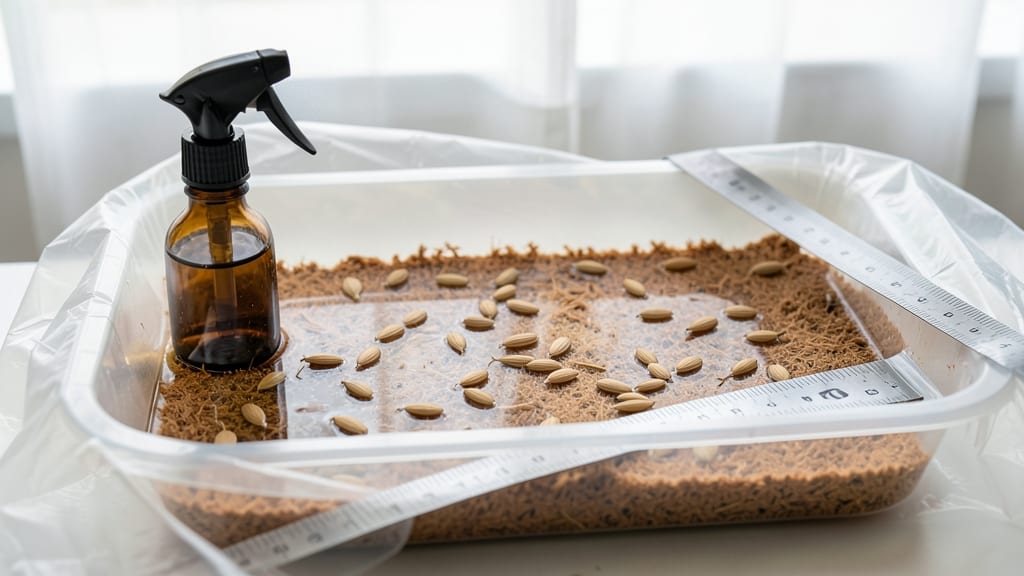
Bald cypress seed germination in just 7 days feels like cheating—until you try it. 🌱 The secret lies in breaking dormancy the right way, then creating the perfect cozy environment for those tiny seeds to wake up. My first batch of cypress seedlings emerged faster than I expected, proving this method works even for impatient gardeners like me. Start with a warm soak in water for 24 hours to soften the tough seed coats. Then transfer them to a moist paper towel or sphagnum moss, keeping everything at 75-80°F—think warm bathroom or seedling heat mat. Within a week, you’ll see those first pale green shoots pushing through, ready to be planted in their own little pots. The payoff is worth the wait: sturdy seedlings that’ll grow into those iconic feathery trees with minimal fuss. No fancy equipment needed—just patience and the right conditions. If you’ve ever struggled with slow-germinating seeds, this method will change your game. Common pitfalls? Over-soaking or letting the medium dry out. Keep those seeds consistently moist but not soggy, and you’ll avoid the heartbreak of mold or rot. Once sprouted, give them bright but indirect light until they’re ready for their permanent home.
📚 In This Guide
- What you need
- Instructions
- Tips and common mistakes
- Wrapping up and next steps
What you need
- ● Bald cypress seeds: 10–20 fresh, viable seeds (harvested from healthy trees or purchased from a reputable supplier). Pro tip: 💡 Test viability by scratching the seed coat—if it’s soft and pale inside, it’s ready to germinate!
- ● Large bowl or container: A 1–2 gallon capacity (glass, ceramic, or food-grade plastic). Why? It needs space for seeds to soak and expand.
- ● Water: 2–3 cups of lukewarm water (not hot or cold). 🌡️ Aim for 70–80°F (21–27°C) for optimal soaking.
- ● Colander or fine mesh strainer: For rinsing seeds gently without damaging them.
- ○ Paper towels or germination mat: 2–3 sheets (unbleached, seed-free). ✨ Optional but recommended for moisture control.
- ● Plastic wrap or humidity dome: To create a mini greenhouse effect during germination.
- ○ Spray bottle (optional but helpful): For misting seeds without over-saturating.
- ● Small pots or seed trays: 2–4 inch pots (or a seed tray with drainage holes) for transplanting sprouted seeds.
- ● Potting mix: A well-draining mix (50% peat moss or coco coir + 50% perlite or vermiculite). Avoid heavy garden soil!
- ● Grow lights or sunny windowsill: A spot with indirect light (6–8 hours/day) for seedlings.
- ● Pruning shears or knife: For carefully nicking seed coats if they’re extra tough.
- ● Labeling tags: To track germination dates and seed varieties.
- ○ Fungicide (optional): A mild solution like hydrogen peroxide (3%) to prevent mold during soaking.
- ○ Heat mat (optional): For faster germination if your space is cool (<60°F/15°C).
- ● Notebook or app: To log soaking times, water temps, and sprouting progress.
Step-by-Step instructions for germinating bald cypress seeds
Here’s how I reliably break dormancy and get seedlings sprouting in under a week.
🌱 Step 1: Harvest and Prepare the Seeds
Collect mature bald cypress cones in late fall when they’ve opened naturally. The seeds inside are encased in a tough, waxy coating that needs softening before germination. I like to gather cones from the ground beneath mature trees—just avoid cones that look moldy or damaged.
Remove the seeds from the cones by hand, then place them in a bowl of lukewarm water for 24 hours. This soak mimics natural spring flooding and softens the seed coat. You’ll know it’s working when the water turns slightly brownish—this is the waxy coating leaching out. Drain and rinse the seeds thoroughly before moving to the next step.
💧 Step 2: Stratify for 30 Days to Break Dormancy
Bald cypress seeds require cold stratification to mimic winter conditions. Fill a sealed plastic bag with the soaked seeds and a damp paper towel, then place it in your refrigerator’s crisper drawer (where humidity is highest) for 30 days. Check the towel weekly—it should stay moist but not soggy.
This cold treatment tricks the seed into thinking winter has passed. I’ve found that seeds stratified at 34-40°F germinate most reliably. If you forget to check, the seeds will still work but may take longer to sprout. After 30 days, remove the seeds and let them air-dry for 1 hour at room temperature.
☀️ Step 3: Sow in Moist, Warm Germination Medium
Fill a shallow tray or seed-starting pot with a mix of 50% peat moss and 50% perlite—this lightweight blend prevents rot while holding enough moisture. Moisten the mix until it’s damp like a wrung-out sponge, then sow the seeds ½ inch deep. Bald cypress seeds are large, so spacing them 2 inches apart prevents overcrowding later.
Cover the tray with clear plastic wrap or a humidity dome to trap warmth and moisture. Place it in a warm spot (I use a seedling heat mat set to 70-75°F) and expect germination in 7-14 days. You’ll see tiny white roots emerge first, followed by the shoot breaking through the soil surface.
🌿 Step 4: Transplant Seedlings to Individual Pots
Once seedlings reach 2-3 inches tall (usually 3-4 weeks after sowing), carefully transplant them into 4-inch pots filled with a 50/50 mix of potting soil and sand. Bald cypress roots are sensitive to disturbance, so I use a small spoon to lift each seedling with its root ball intact.
Place the pots in bright, indirect light for the first week to help them recover. After two weeks, you can gradually introduce them to full sun (6+ hours daily). Water gently at the base—never let the soil dry out completely, but avoid soggy conditions that cause rot.
⏰ Step 5: Harden Off Before Outdoor Planting
When seedlings are 6-8 inches tall and have developed 4-5 sets of true leaves, start hardening them off. Move pots outside to a shaded, sheltered spot for 2 hours the first day, then gradually increase exposure by 1 hour daily over 10-14 days. This prepares them for outdoor conditions.
Plant outdoors after the last frost when soil temperatures stay above 50°F. Bald cypress thrives in wet soil, so choose a location with consistent moisture or near a water feature. Mulch heavily around the base to retain moisture and regulate soil temperature.
Tips & tricks for perfect bald cypress seed germination
These simple strategies will help you bypass common pitfalls and get your cypress seedlings sprouting reliably.
Soak Water Temperature: Use lukewarm water—not hot—for the 24-hour soak in Step 1. Hot water can damage the seed coat and prevent proper wax leaching. I like to test the temperature by dipping my wrist—it should feel comfortably warm, like bathwater. This mimics natural spring flooding conditions that trigger germination.
Stratification Check: During the 30-day cold stratification in Step 2, place a small piece of masking tape on the bag with the date. This prevents you from forgetting when you started. The seeds need consistent moisture, but condensation inside the bag is normal—just ensure the paper towel stays damp, not dripping wet. If you notice mold, open the bag to air out for a few hours.
Germination Medium Tip: For Step 3, sterilize your 50% peat moss and 50% perlite mix by microwaving it in a bowl with a splash of water for 2 minutes. This prevents fungal issues that can kill seedlings before they sprout. After sowing the seeds ½ inch deep, gently press the soil around them rather than packing it down—this maintains good air circulation while keeping moisture.
Light Transition: When moving seedlings to full sun in Step 4, do it gradually over 3-4 days. Start with morning sun only, then add afternoon exposure. Bald cypress seedlings are sensitive to sudden heat—this slow transition prevents leaf scorch. I watch for pale yellow leaves as the first sign of too much sun and adjust accordingly.
Pro Tips for Bald Cypress Seed Germination
- These simple strategies will help you bypass common pitfalls and get your cypress seedlings sprouting reliably.
- Soak Water Temperature: Use lukewarm water—not hot—for the 24-hour soak in Step 1. Hot water can damage the seed coat...
- Stratification Check: During the 30-day cold stratification in Step 2, place a small piece of masking tape on the bag...
Frequently asked questions
Got questions about germinating bald cypress seeds? You’re not alone! Here are the most common concerns—plus quick, actionable answers to help you skip the guesswork and start growing.
How long should I soak bald cypress seeds before planting?
Soak seeds for 24–48 hours in warm water (70–80°F) to soften the tough outer shell. Scrub gently with a wire brush if they’re stubborn—this mimics natural flooding in swamps. Pro tip: Change the water halfway to prevent mold!
Why aren’t my bald cypress seeds sprouting after 7 days?
Patience is key! Germination can take 7–21 days (or longer). Check these fixes:
- Temperature: Keep soil at 75–85°F—use a heat mat if needed.
- Moisture: Keep soil consistently damp (not soggy).
- Light: Seeds need indirect light; avoid direct sun.
Can I germinate bald cypress seeds without soaking?
Yes, but success rates drop! Stratification (cold-moist treatment) is an alternative: Mix seeds with damp sand, refrigerate for 30–60 days, then plant. However, soaking is faster and more reliable for beginners.
What’s the best soil mix for bald cypress seed germination?
Use a peat-based or sandy loam mix with 50% perlite or vermiculite for drainage. Bald cypress thrives in acidic, water-retentive soil (pH 5.0–6.5). Avoid heavy clay—it suffocates roots. Pro tip: Add a thin layer of sphagnum moss on top to retain humidity.
What should I do if mold grows on my seeds?
Mold is a red flag! Stop watering immediately and:
- Sprinkle cinnamon or hydrogen peroxide (3%) on the soil to fight fungus.
- Move containers to a well-ventilated spot (but avoid drafts).
- Discard moldy seeds—it spreads fast.
Wrapping up and next steps
Germinating bald cypress seeds is a rewarding journey that unlocks the beauty of these resilient trees—right from your own home! 🌱 With the right mix of patience, soaking, and a cozy germination setup, you’ll watch those tiny seeds transform into vibrant sprouts in just seven days.
Whether you’re a seasoned gardener or a curious beginner, this process is your gateway to nurturing a stunning addition to your landscape.
Ready to take the next step? Once your seedlings are strong and sturdy, transplant them into well-draining soil and give them the love they deserve. Keep an eye on their growth, and soon, you’ll be basking in the shade of your very own bald cypress! 🌳