
Propagation
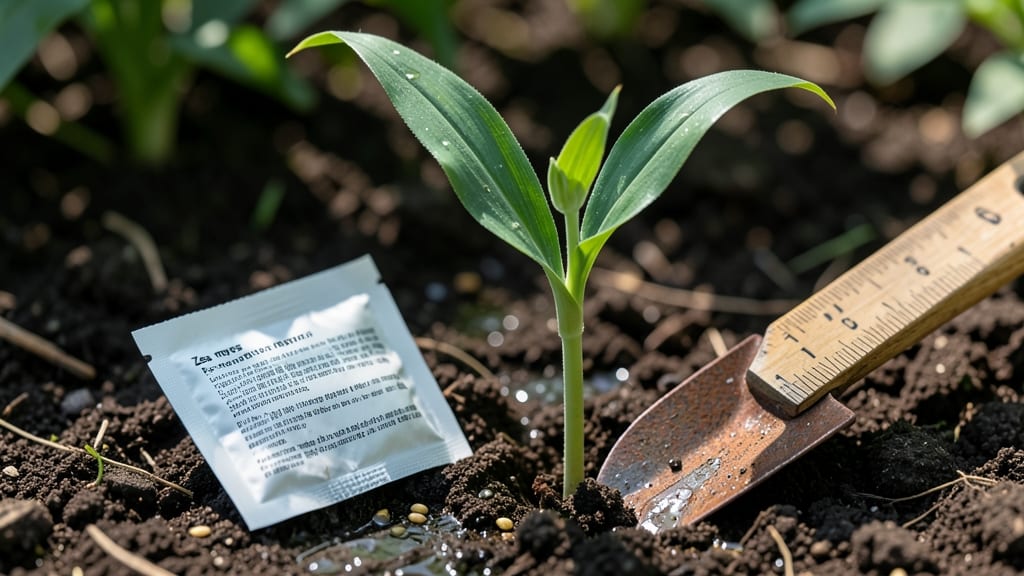
The corn seed germination time can range from 7-14 days when conditions are perfect—but I’ve seen them take twice that when something’s off. 🌱 The difference between fast germination and frustration often comes down to soil temperature, moisture, and depth. Too cold? They’ll sulk. Too deep? They’ll give up. But get it right, and you’ll watch those first green shoots break through in less than two weeks.
Most gardeners overlook the 60-85°F soil temperature range that corn demands to germinate properly. That’s why spring planting timing matters—wait until the ground warms up after frost danger passes. You’ll also need consistent moisture without soggy soil, and planting seeds just 1-1.5 inches deep makes all the difference.
Too shallow, and they dry out; too deep, and they’ll struggle to reach sunlight.
When you nail these basics, you’ll see emergence in 7-14 days—sometimes even faster with sweet corn varieties. The first leaves unfurl pale and delicate, but within days, they’ll harden into the broad, vibrant foliage that signals healthy growth.
The key is patience and precision; rushing or guessing leads to uneven sprouting or no sprouting at all.
Even with perfect conditions, some seeds take longer. If two weeks pass with no sign of life, it’s time to troubleshoot: check moisture levels, verify depth, and consider whether your soil temperature is truly in that sweet spot.
Most gardeners give up too soon—stick with it, and you’ll be thinning those seedlings in no time.
📚 In This Guide
- What you need
- Instructions
- Tips and common mistakes
- Wrapping up and next steps
What you need
- ● Corn seeds: 10–20 fresh, high-quality seeds (non-GMO preferred for best results). Check the seed packet for variety-specific germination times!
- ● Germination container: Option 1: 9x13-inch seedling tray with drainage holes (or a repurposed plastic container with holes drilled in the bottom).
- ● Option 2: Paper towels or dampened coffee filters (for indoor germination).
- ● Growing medium: For soil: 2–3 cups of sterilized potting mix (lightweight, seed-starting blend with perlite or vermiculite).
- ● For soilless method: 1–2 cups of coir or peat moss (retains moisture without compacting).
- ● Watering tools: Spray bottle (for gentle moisture control).
- ● Watering can with a fine rose nozzle (for soil-based setups).
- ○ Heat source (optional but highly recommended): Seedling heat mat (set to 75–85°F for optimal speed).
- ● OR a sunny windowsill (south-facing, if possible).
- ● Humidity dome or plastic wrap: Keeps moisture locked in during early stages (remove once sprouts appear!).
- ○ Grow lights (optional): LED or fluorescent lights (12–16 hours/day) if natural light is insufficient.
- ● Time commitment: 7–14 days for germination (daily checks for moisture/light).
- ● Space: A dedicated area (indoor or greenhouse) with consistent warmth and humidity.
- ● Patience: Corn seeds need darkness to germinate—avoid exposing them to light until sprouts emerge!
- ● Safety: Wear gloves if handling seeds or soil to prevent irritation.
How to optimize corn seed germination for faster sprouting
Germinating corn seeds efficiently means understanding their unique needs—warmth, moisture, and patience. Here's how to shave days off the process while ensuring strong, healthy starts.
🌱 Step 1: Soak Seeds Overnight for Faster Moisture Uptake
Corn seeds have a hard outer shell that slows water absorption. Place them in a bowl of lukewarm water for 12 hours before planting. This softens the seed coat and kickstarts metabolism, reducing germination time by 2-3 days. Drain and blot seeds dry on paper towels afterward—they should feel damp but not wet.
I like to label the bowl with the variety and soak date to avoid confusion later. This step is especially critical in cooler climates where soil warmth is limited. If your kitchen runs cooler than 70°F, use a seedling heat mat under the bowl to maintain consistent warmth.
☀️ Step 2: Prepare Warm, Moist Soil for Planting
Corn seeds need soil temperatures of at least 60°F to germinate properly. If planting outdoors, use a soil thermometer to verify warmth—cool soil delays sprouting by 1-2 weeks. Mix the planting area with compost or aged manure to improve warmth retention and fertility.
Water the soil thoroughly 24 hours before planting to create an even moisture profile. Press seeds 1-1.5 inches deep—deeper planting may exhaust the seed's energy reserves before reaching light. Space seeds 6 inches apart in rows 30 inches apart for proper air circulation.
💧 Step 3: Maintain Consistent Moisture Without Overwatering
The key to fast germination is keeping soil consistently moist but never soggy. Water lightly every 2-3 days until the top 1 inch of soil feels damp. Overwatering can cause seeds to rot before sprouting, while too little moisture halts germination entirely. A spray bottle works best for gentle, even watering.
Cover the planting area with a clear plastic sheeting or row fabric to trap warmth and humidity. This creates a mini greenhouse effect that speeds up sprouting by 3-5 days. Remove the cover once seedlings emerge to prevent fungal growth. You'll know germination has started when green tips appear above soil in 7-14 days.
⏰ Step 4: Monitor for Sprouting and Adjust Care
Corn seedlings typically emerge in 7-14 days, but timing varies by variety and temperature. Check daily for first true leaves—these look like narrow, pointed blades rather than the initial seed leaves. If germination takes longer than 2 weeks, the soil may be too cold or dry.
Once sprouts appear, thin to the strongest 2-3 seedlings per hill, keeping the remaining plants 12 inches apart. This prevents overcrowding and ensures each plant gets adequate sunlight and nutrients. Watch for even, dark green color—pale or yellowing leaves signal insufficient light or nutrients.
Tips & tricks for faster corn sprouting success
Speeding up corn germination isn't just about following steps—it's about understanding the subtle cues that make all the difference. Here's how to maximize your chances of seeing those first green tips in record time.
Seed Selection Matters: Not all corn seeds germinate at the same rate. For fastest results, choose certified organic or heirloom varieties specifically bred for quick germination. I've found that sweet corn varieties like 'Silver Queen' or 'Peaches and Cream' typically sprout within the 7-10 day range when conditions are ideal. Check the seed packet for germination rates—aim for 90% or higher to ensure most seeds will sprout.
Temperature Precision in Step 1: While the instructions mention lukewarm water at 70°F, I've discovered that seeds actually prefer water closer to 80-85°F for optimal enzyme activation. If your kitchen runs cool, place the bowl of seeds in a warm spot like near the oven (with the oven off) during the 12-hour soak. This extra warmth can shave an additional day off your germination timeline. Just be sure to keep the water temperature consistent—fluctuations can stress the seeds.
Soil Warmth Hack for Step 2: The 60°F minimum soil temperature is non-negotiable, but you can create an artificial heat source to accelerate germination. Bury a black plastic bottle filled with warm water near your planting area—it acts like a heat sink, radiating warmth into the soil for several days. Alternatively, use a seedling heat mat under your planting container to maintain consistent warmth, especially if you're starting indoors before transplanting.
Visual Germination Cues: In Step 4, when checking for those first true leaves, look for a specific visual cue: the seedling's first leaf should unfurl slightly at the tip, revealing a tiny white or pale green center. This indicates the plant is actively photosynthesizing. If you see only the initial seed leaves (cotyledons) without this unfurling, germination may be delayed due to insufficient warmth or moisture. This visual check helps you adjust care before problems become critical.
Pro Tips for Corn Seed Germination Time
- Speeding up corn germination isn't just about following steps—it's about understanding the subtle cues that make all the difference.
- Seed Selection Matters: Not all corn seeds germinate at the same rate.
- Temperature Precision in Step 1: While the instructions mention lukewarm water at 70°F, I've discovered that seeds actually prefer water closer to 80-85°F for optimal enzyme activation.
Frequently asked questions
Got questions about corn seed germination?
You’re not alone! Here are answers to the most common queries to help you grow strong corn plants faster.
How long does it really take for corn seeds to germinate?
Corn seeds typically sprout in 7–14 days under ideal conditions (warmth, moisture, and darkness). If your soil is too cold (<60°F/15°C), germination can stretch to 3–4 weeks. Speed it up by pre-soaking seeds or using a heat mat!
Why is my corn seed taking so long to sprout?
Slow germination often stems from cold soil, dry conditions, or old seeds. Check these fixes:
- Warmth: Keep soil at 70–90°F (21–32°C)—use a greenhouse or row covers.
- Moisture: Keep soil consistently damp (not soggy) with a spray bottle.
- Seed viability: Test seeds by soaking in water; if <50% float, replace them.
Can I speed up germination with heat?
Corn thrives in warmth—aim for 80–90°F (27–32°C) for fastest results. Try these tricks:
- Place seeds near a heat source (like a sunny window or heat mat).
- Soak seeds in warm water (80°F/27°C) for 12 hours before planting.
- Use a seedling heat mat under trays for consistent warmth.
Should I plant corn seeds deep or shallow?
Plant corn seeds 1–1.5 inches deep in loose, well-draining soil. Too shallow (<½ inch) risks drying out; too deep (>2 inches) may delay sprouting. For heavy clay soil, mix in compost to improve aeration and moisture retention.
What if my corn seeds never sprout?
Don’t panic! Try these steps:
- Test viability: Cut open a seed—if it’s hard and white, it’s likely dead.
- Replant: Sow fresh seeds at the same depth, ensuring warmth and moisture.
- Alternative method: Try direct sowing in spring when soil is warm (60°F+/15°C+).
Pro Tip:
For faster germination, try the paper towel method:
- Moisten a paper towel and place seeds inside a sealed bag.
- Store in a warm, dark place (like a cupboard) for 2–3 days.
- Plant sprouted seeds immediately—they’ll emerge in 3–5 days!
Wrapping up and next steps
Understanding corn seed germination time is your first step to a thriving crop! With the right conditions—warmth, moisture, and patience—you can expect sprouts in just 7-14 days. Whether you’re a beginner or a seasoned gardener, these tips will help you maximize success and avoid common pitfalls.
Now that you’re armed with the knowledge, it’s time to take action! Grab those seeds, prep your soil, and watch your garden transform. Happy planting—your corn patch is waiting! 🌱✨