
Propagation
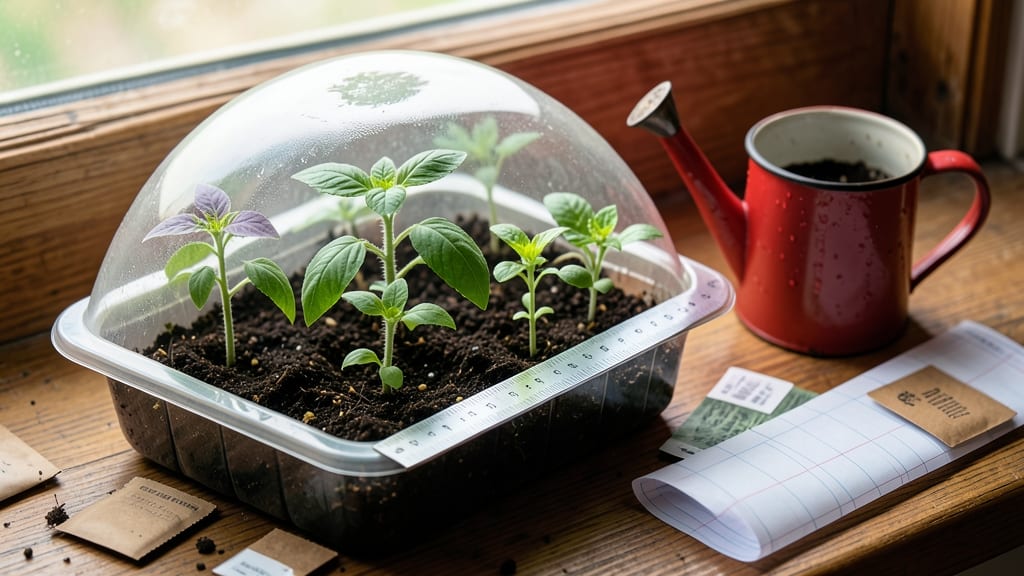
Knowing seed germination times turns guesswork into a foolproof planting schedule—because waiting too long means wasted effort, while starting too early risks outgrowing containers. 🌱 I’ve tracked germination for everything from speedy radishes (3–5 days) to stubborn oak trees (30–60 days), and the patterns reveal everything you need to plan your garden’s rhythm.
The secret isn’t just days on the packet; it’s understanding how temperature, moisture, and even seed age conspire to speed up or stall your sprouts.
Fast germinators like basil, lettuce, and beans pop up in 3–10 days when soil stays between 65–75°F, while cold-loving peas and spinach need 50–60°F and take 7–14 days. Slowpokes like delphiniums or okra might wait 2–3 weeks—but that’s not failure, it’s biology.
Most seeds need consistent moisture (not soggy) and indirect light until they break soil, or they’ll give up and rot. I’ve lost count of how many times I checked a tray only to find mold, not sprouts—so we’ll fix that.
By the end of this, you’ll know exactly when to expect that first green hook for your favorite plants, plus how to troubleshoot when they’re running late. A few adjustments—like pre-soaking hard seeds or using a heat mat for stubborn varieties—can shave weeks off the wait.
Imagine pulling fresh radishes in 21 days instead of waiting for store-bought, or watching oak seedlings emerge in spring’s first warm spell instead of summer’s heat. That’s the power of knowing the science behind the wait.
Whether you’re a patient gardener with a greenhouse or a balcony grower working with limited time, these insights help you match seeds to seasons without the frustration. Let’s get those sprouts counting down—starting with the fastest germinators and working toward the marathon runners of the seed world.
📚 In This Guide
- What you need
- Instructions
- Tips and common mistakes
- Wrapping up and next steps
What you need
- ● Seeds: Choose 10–20 seeds per variety (fast-germinating options like radishes or beans work great for testing).
- ● Germination containers: Small plastic or glass containers (e.g., yogurt cups, seed trays, or clean jars with lids).
- ● Paper towels or coffee filters (2–3 per container).
- ● Water: Distilled or room-temperature tap water (avoid chlorinated water—let it sit out for 24 hours if needed).
- ○ Spray bottle: A 4–8 oz bottle for gentle misting (optional but helpful for precision).
- ● Notebook or germination tracker: Pen and paper or a digital tool (like a spreadsheet or app) to log dates, seed types, and sprouting progress.
- ● Ruler or measuring tape: For tracking seedling growth over time (inches or centimeters).
- ● Grow lights or sunny windowsill: A warm, well-lit spot (65–75°F is ideal for most seeds).
- ● Heating mat: For seeds needing warmth (e.g., tropical varieties like peppers or tomatoes).
- ● Humidity dome or plastic wrap: To retain moisture during early stages.
- ● pH test kit: For monitoring soil or water pH (ideal range: 6.0–7.0 for most seeds).
- ● Label markers: To identify seed types and germination dates.
- ● Camera or phone: For documenting progress (because sprouting science is so satisfying to witness!).
How to predict seed germination times like a pro
Germination timing isn't guesswork—it's science. Here's how I decode seed packets and environmental clues to set accurate expectations.
🌱 Step 1: Decode the Seed Packet's Germination Range
Every reputable seed packet lists a germination window—that's your starting point. For example, tomato seeds might say 7-14 days, while fast germinators like radishes sprout in 3-5 days. The range accounts for temperature variations and seed age. I always write the dates on my calendar when planting multiple varieties to track progress.
Here's the thing—older seeds (over a year) often sit at the upper end of the range. If your packet says 10-14 days but the seeds are from last season, plan for 14 days minimum. Fresh seeds from a trusted supplier will reliably hit the lower end of the spectrum. Check the pack date if available—it's the hidden factor that explains why some batches perform differently.
☀️ Step 2: Adjust for Temperature Conditions
Germination speed doubles with every 10°F increase in soil temperature. Most seeds need 60-85°F for optimal sprouting. If your growing space hovers around 70°F, use the middle of the packet's range as your baseline. For example, basil seeds listed as 7-14 days at 70°F might sprout in 5-10 days if your heat mat keeps soil at 80°F.
Cold-soaked seeds (like some vegetables) may take 3-5 extra days to break dormancy. I test this by placing a thermometer in the soil—if it reads below 65°F, I move the tray to a warmer spot or use a seedling heat mat. The moment soil hits 75°F, germination accelerates noticeably. Watch for the first tiny root (radicle) pushing through the seed coat—that's your signal the clock is ticking.
💧 Step 3: Monitor Moisture Without Overwatering
Moisture triggers germination, but excess water causes seeds to rot before sprouting. The key is consistent dampness—not soggy conditions. I use a spray bottle to mist seeds until the soil feels like a wrung-out sponge: it holds together when squeezed but doesn't drip. For larger seeds (like beans), I dip them in lukewarm water for 12 hours first—this softens the outer coating and speeds up the process.
After planting, I check moisture daily by pressing a finger ½ inch deep into the soil. If it feels dry, I mist again. The goal is to keep the seed bed evenly moist without creating a swamp. Overwatering here is the #1 reason seeds fail to sprout—you'll see mold or a foul smell before any green appears. If you're using a humidity dome, remove it as soon as 50% of seeds sprout to prevent damping-off disease.
⏰ Step 4: Track Progress with Visual Checkpoints
Germination happens in stages, and each one has a visual cue. First, watch for the radicle (the tiny white root) breaking through the seed coat—this happens 24-48 hours before you see the shoot. Next, the shoot (hypocotyl) emerges, followed by the cotyledons (the first true leaves). For fast germinators like lettuce, this entire process takes 3-5 days; for slow ones like peppers, it's 14-21 days.
I mark my calendar with the earliest expected sprout date (packet range + temperature adjustments) and the latest possible date (upper range + cold conditions). If nothing appears by the latest date, I troubleshoot: Was the soil too cold? Did I overwater? For stubborn seeds, I gently press the soil around them—sometimes they're just waiting for the right conditions. Real talk: patience is key—seeds won't magically sprout faster because you're watching them.
✂️ Step 5: Troubleshoot Common Delays
If seeds take longer than the upper range, check these three factors first. Light exposure matters even at this stage—some seeds (like tomatoes) need darkness to germinate, while others (like carrots) prefer light. Seed viability drops after 2-3 years, so test a few seeds in a damp paper towel to confirm they're still alive. Finally, soil pH affects germination: most seeds prefer 6.0-7.0; test your mix if you're planting unusual varieties.
Leggy seedlings or slow initial growth often mean insufficient light after germination. Move your tray to a south-facing window or under grow lights immediately. You'll see the difference in 24 hours—strong seedlings have thick stems and dark green leaves, while weak ones stretch toward the light. If you're still waiting after 30 days, it's time to replant—seeds that take this long either need better conditions or aren't viable.
Tips & tricks for predicting germination success
Mastering seed germination timing transforms guesswork into a predictable process. Here's what I've learned after years of trial and error in my own seed-starting journey.
Seed Viability Test: Before planting, test a few seeds in a damp paper towel to confirm they're still alive. Place them between two damp paper towels in a sealed plastic bag, then store in a warm spot (around 75°F). Check daily—if most seeds sprout within the packet's range, your batch is good to go. This simple test saves weeks of frustration with old or questionable seeds.
Temperature Calibration: Use a soil thermometer to monitor conditions—most seeds need 60-85°F for optimal germination. If your space runs cooler, consider a seedling heat mat (which maintains 75°F consistently). I've seen germination times cut in half just by moving trays to warmer locations. The 10°F rule is real: every degree above 70°F can shave days off your timeline.
Visual Germination Timeline: The radicle (tiny white root) appears 24-48 hours before you see the shoot, so watch closely. For fast germinators like lettuce, this entire process takes 3-5 days—mark your calendar when planting to track progress accurately. For slower seeds like peppers, expect 14-21 days from planting to first leaves. The cotyledons (first true leaves) signal readiness for light, which is why timing matters so much.
Light Exposure Strategy: Some seeds (like tomatoes) need darkness to germinate, while others (like carrots) prefer light. If you're unsure, plant in a shallow tray and cover with ½ inch of soil—this blocks light while keeping conditions ideal. The moment you see sprouts, uncover them immediately. I keep a small notebook to track which varieties prefer which conditions—it's become my secret weapon for consistent results.
Pro Tips for Seed Germination Times
- Mastering seed germination timing transforms guesswork into a predictable process.
- Seed Viability Test: Before planting, test a few seeds in a damp paper towel to confirm they're still alive.
- Temperature Calibration: Use a soil thermometer to monitor conditions—most seeds need 60-85°F for optimal germination.
Frequently asked questions
How long do most seeds take to germinate?
Germination times vary widely—fast growers like radishes sprout in 3–7 days, while slowpokes such as peppers or trees can take 10–30+ days. Always check the seed packet for species-specific estimates! Pro tip: Warmth and moisture speed up the process.
What if my seeds aren’t sprouting after the expected time?
Don’t panic! First, verify moisture (soil should feel damp, not soggy) and temperature (most seeds prefer 65–85°F). Test viability by cutting open a seed—if it’s hard and firm, it’s likely still good. If not, try fresh seeds or a germination test with paper towels.
Can I speed up germination with heat?
Many seeds (like beans or tomatoes) germinate faster in 70–85°F conditions. Use a seedling heat mat or place trays on top of the fridge. Just avoid overheating—90°F+ can damage delicate sprouts.
What’s the best way to store seeds to keep them viable longer?
Store seeds in a cool (32–40°F), dry place (like a fridge or seed vault) in airtight containers with silica gel packets. Label them with the date—most stay viable for 1–5 years, depending on the type (e.g., carrots: 1 year; beans: 3+ years).
Are there seeds that germinate without soil?
Yes! Paper towel germination works for many seeds (e.g., peppers, herbs). Fold a damp paper towel around seeds in a ziplock bag, place in a warm spot, and check daily. Once sprouts appear (usually 5–10 days), transplant carefully into soil to avoid root damage.
Wrapping up and next steps
Understanding seed germination times is your first step toward a thriving garden—whether you're a seasoned green thumb or just starting out! 🌱 From the speedy radish (just 4 days!) to the patient oak tree (years!), knowing what to expect sets you up for success.
The key? Patience, proper conditions, and a little science-backed know-how.
Now that you’re armed with the facts, take the next step—grab those seeds and give sprouting a try! Start with fast germinators like beans or lettuce to build confidence, then experiment with your favorites. Happy growing—your future plants will thank you! 🌱💚