
Propagation
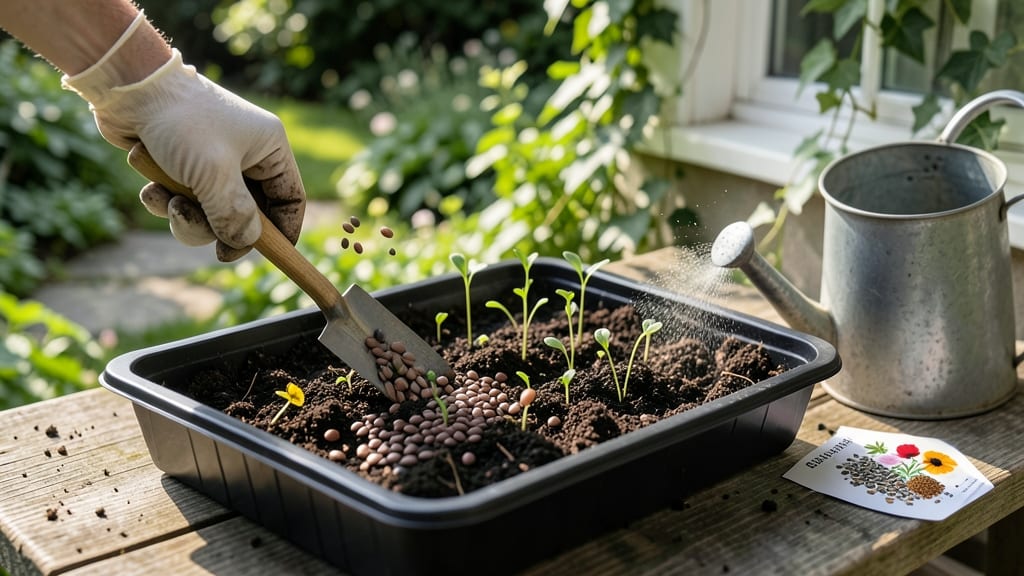
Wildflower seed germination time depends on one secret trick: cold stratification—mimicking winter's chill to break dormancy. 🌱 I learned this the hard way when my first batch of prairie seeds sprouted unevenly, leaving bare patches that lasted for months.
The right timing isn't just about planting; it's about understanding your climate's natural rhythms and giving seeds the exact conditions they need to wake up reliably.
Most wildflower seeds need 60-90 days of cold, moist conditions to germinate properly, but timing varies wildly by region. In Zone 5, fall planting (September-October) lets nature handle stratification over winter, while Zone 8 gardeners often need to stratify seeds indoors before spring.
The key is matching your seeds' native habitat—woodland species might need deeper cold, while prairie flowers often germinate faster. Test soil temperature: seeds won't sprout until it hits 40-50°F consistently.
When you get it right, you'll see the first delicate shoots emerge in 2-4 weeks after stratification ends, with full blooms appearing in 6-12 weeks depending on the species.
The payoff is worth the patience: a meadow that thrives with minimal maintenance, attracts pollinators all season, and comes back year after year. That first flush of color in spring—when your neighbors are still waiting for their annuals to arrive—is the best reward of all.
This method works for both wildflower mixes and individual species, whether you're seeding a 100-square-foot patch or restoring a full acre. The only variable is your climate, and once you understand that, you'll never buy pre-grown wildflower plugs again. Let's make those seeds sing.
📚 In This Guide
- What you need
- Instructions
- Tips and common mistakes
- Wrapping up and next steps
What you need
- ● Wildflower seeds: Choose native or regionally adapted varieties (e.g., black-eyed Susan, coneflower, or milkweed). Aim for at least 1 lb (0.45 kg) to cover a 100 sq. ft. area.
- ● Cold stratification medium: Option 1: Moistened peat moss or coconut coir (4–6 cups, enough to fill a sealed container).
- ● Option 2: Damp paper towels or coffee filters (folded to hold seeds snugly).
- ● Sealed container: A ziplock bag (quart-sized) or a plastic tub with a lid (large enough to hold seeds + medium).
- ● Label & marker: Waterproof labels to track seed types and stratification dates.
- ● Refrigerator: A standard fridge set to 34–40°F (1–4°C) for stratification.
- ● Planting trays or pots: Small biodegradable pots (2–3 inches deep) or seed trays with drainage holes.
- ● Potting mix: Seed-starting mix (sterile, lightweight, and well-draining).
- ● Spray bottle: For gentle watering to avoid disturbing seeds.
- ● Grow lights or sunny windowsill: A south-facing window or LED grow lights (12–16 hours/day) for post-stratification growth.
- ● Humidity dome: Clear plastic covers to retain moisture during germination.
- ● Heating mat: For faster germination (70–75°F / 21–24°C for warm-season seeds).
- ● Germination station: A seedling heat mat or insulated propagation box.
- ● Fertilizer: Diluted fish emulsion (5-5-5) or worm castings for post-germination boost.
- ● Garden journal: To log germination dates, weather notes, and bloom predictions!
How to cold stratify wildflower seeds for faster, more reliable germination
Cold stratification mimics nature's way of breaking dormancy—here's how to do it right for consistent results.
🌱 Step 1: Prepare Seeds for Stratification
Wildflower seeds often have hard outer coatings that prevent water absorption and germination. Start by mixing your seeds with a damp sand or peat moss in a ratio of 1 part seeds to 3 parts moist medium. I like to use a shallow container like a plastic storage tray with a lid—this creates a controlled environment. The moisture should feel like a wrung-out sponge: damp but not dripping.
Spread the seed mixture evenly in the container, then cover it loosely. Place it in a sealed plastic bag and label it with the seed type and date. This prevents drying out while allowing air circulation. Store the bag in your refrigerator's crisper drawer, where temperatures hover around 35-40°F—the ideal range for most wildflower species.
⏰ Step 2: Stratify for the Correct Duration
Most wildflower seeds need 4-8 weeks of cold stratification, but some varieties like lupines or poppies may require up to 12 weeks. Check the seed packet for specific recommendations, as stratification times vary by species. During this period, I check the mixture every 2 weeks to ensure it remains moist but not soggy.
You'll know stratification is working when the seeds begin to soften slightly or show tiny cracks in their outer shells. This is your signal that the internal mechanisms are activating. If mold appears, reduce moisture slightly—fuzzy growth means the seeds are too wet and at risk of rotting before they germinate.
☀️ Step 3: Sow Stratified Seeds at the Right Time
Once the stratification period ends, remove the seeds from the refrigerator and let them sit at room temperature for 24-48 hours to acclimate. This prevents shock and allows any residual moisture to even out. Plant them in prepared soil outdoors as soon as the ground can be worked in early spring, or start them in pots under grow lights if you're in a cooler climate.
Sow seeds ¼ inch deep in well-drained soil, as deep planting can delay germination further. Lightly water the area and keep the soil consistently moist until germination occurs. You'll see the first signs of life in 10-30 days, depending on the species and weather conditions. Thin seedlings to 6-12 inches apart once they reach 2-3 inches tall to give them room to grow.
🌿 Step 4: Monitor and Support Early Growth
Wildflower seedlings are delicate and benefit from consistent care during their early stages. Keep the soil evenly moist but avoid overwatering, which can lead to damping-off—a fungal disease that causes seedlings to collapse. If you notice any yellowing or wilting, reduce watering slightly and ensure good air circulation around the plants.
Once seedlings develop their first true leaves (not the initial seed leaves), you can begin fertilizing lightly with a balanced, water-soluble fertilizer diluted to half strength. This encourages strong root and shoot development without overwhelming tender young plants. Watch for pests like aphids or slugs, which are common early threats to wildflowers.
Tips & tricks for perfect wildflower seed stratification
These practical insights will help you maximize germination success with minimal fuss—because even wildflowers appreciate a little extra care.
Medium Consistency: The 1 part seeds to 3 parts moist medium ratio is your golden ticket, but here's the thing: "damp" isn't the same as "soggy." I like to test consistency by squeezing a handful—water should drip out slowly, not pool at your feet. If it feels like a wrung-out sponge, you're golden. Too wet, and you risk mold; too dry, and seeds won't activate. Think "moisture balance," not "waterlogged."
Temperature Precision: That 35-40°F range in your fridge's crisper drawer is perfect, but every refrigerator varies. If your crisper runs cooler, move the bag to the main compartment where temps are slightly warmer. Pro tip: Use a small thermometer in an empty container for a week to map your fridge's hot and cold spots. This ensures consistent conditions—critical for breaking dormancy effectively.
Visual Cues for Success: During the 4-8 week stratification, watch for tiny cracks in seed coats or slight softening—this means the internal mechanisms are activating. If you see fuzzy mold instead, reduce moisture immediately. The goal is to mimic nature's slow thaw, not create a science experiment gone wrong. Think "subtle changes," not "dramatic transformations."
Acclimation Strategy: That 24-48 hour room temperature pause before planting isn't just a suggestion—it's a game-changer. This gradual temperature shift prevents shock and lets seeds adjust to their new environment. I've seen seeds that germinated beautifully after this step, while others planted straight from cold struggled. It's like giving them a spa day before the big move to the garden.
Pro Tips for Wildflower Seed Germination Time
- These practical insights will help you maximize germination success with minimal fuss—because even wildflowers appreciate a little extra care.
- Medium Consistency: The 1 part seeds to 3 parts moist medium ratio is your golden ticket, but here's the thing: "damp" isn't the same as "soggy."
- Temperature Precision: That 35-40°F range in your fridge's crisper drawer is perfect, but every refrigerator varies.
Frequently asked questions
Got questions about wildflower seed germination? You’re not alone! Here are answers to the most common concerns—so you can grow confidently and watch those blooms take flight.
How long does cold stratification take for wildflower seeds?
Most wildflower seeds need 4–12 weeks of cold stratification (33–40°F) to break dormancy. Check your seed packet—some species, like lupines or columbines, may require up to 6 months for optimal germination. Use a damp paper towel or fridge method for shorter periods, or plant in fall for natural stratification.
Can I speed up germination without cold stratification?
Some seeds can germinate faster with alternatives like heat treatment (soaking in warm water for 24 hours) or scarification (lightly sanding the seed coat). However, wildflowers often rely on cold stratification—skipping it may result in slower, uneven sprouting. Test a few seeds to see what works best for your species!
What’s the best time to plant wildflower seeds outdoors?
For fall planting (ideal for most wildflowers), sow seeds 6–8 weeks before your first frost—this mimics natural winter conditions. If planting in spring, stratify seeds first, then sow after soil reaches 50–60°F. Avoid summer planting unless your climate is cool and moist.
Why aren’t my wildflower seeds germinating?
Common culprits include:
- Insufficient stratification: Try extending cold treatment or verify moisture levels.
- Poor soil contact: Press seeds lightly into soil (they often need light to germinate).
- Temperature fluctuations: Keep soil consistent (60–75°F for post-stratification warmth).
- Old or low-quality seeds: Test viability with a simple float test (viable seeds sink).
Patience is key—some wildflowers take 2–3 weeks or longer to sprout!
Do wildflower seeds need light to germinate?
Many wildflower seeds require light to trigger germination. Avoid burying them deeply—plant ¼ inch below soil or use a thin layer of compost. If sowing in trays, keep soil loose and avoid pressing seeds too firmly. Phlox, coreopsis, and black-eyed Susans are classic light-lovers!
Wrapping up and next steps
Mastering wildflower seed germination time through cold stratification unlocks a world of vibrant, thriving blooms—without the guesswork! 🌱 Whether you’re a seasoned gardener or just starting, patience and preparation are your best tools. With the right techniques, you’ll soon enjoy a garden bursting with color and life.
Ready to take the next step? Start small: pick one wildflower variety and experiment with stratification this season. Track your progress, adjust as needed, and share your successes (or lessons learned!) with fellow gardeners. Happy growing—your future blooms are waiting!