
Diseases
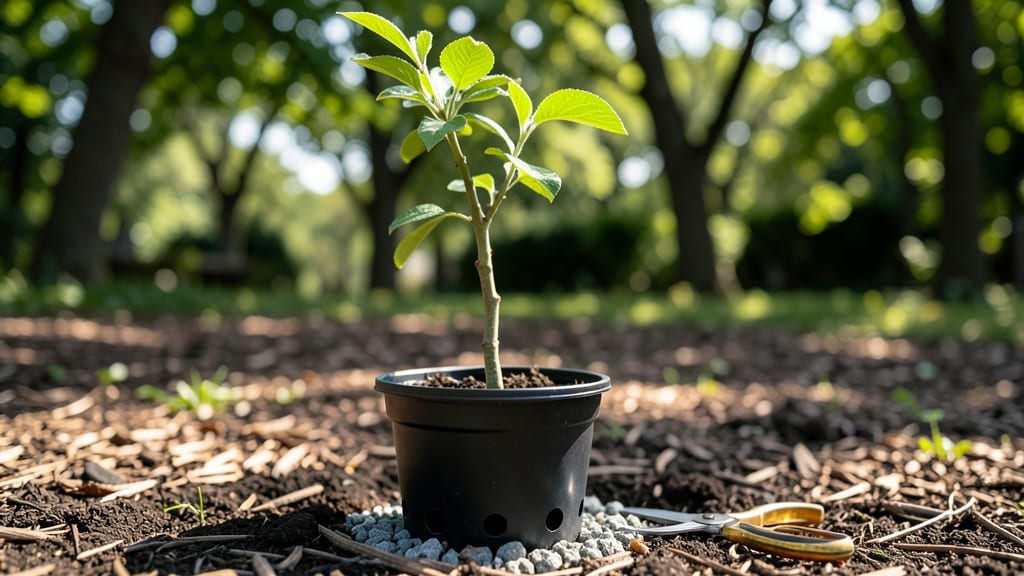
You can grow a plum tree from a plum seed, but the results are highly unpredictable: most seedlings grow into wild trees with small, tart, or inedible fruit due to genetic variation, and success rates hover around 20-50% even under ideal conditions. Proper stratification and patience are essential for germination.
Growing a plum tree from seed is a fascinating experiment, but it’s not a reliable way to get the same fruit you love from grocery store plums. 🌱 The key challenge is that plum seeds carry genetic traits from both parent trees, often resulting in wild varieties that produce tiny, bitter fruit rather than the juicy, sweet plums you’d expect.
Even if you manage to germinate the seed—typically after a 3-4 month cold stratification period—there’s no guarantee the resulting tree will be true to the parent’s flavor or size.
Many gardeners who try this end up with a beautiful ornamental tree, but they’ll need to be patient, as plum trees grown from seed can take 5-10 years to bear fruit at all.
For those willing to take the risk, the process starts with proper seed preparation. After extracting the pit from ripe fruit, you’ll need to stratify it in a moist medium like sand or peat moss for 6-8 weeks in the refrigerator.
Once sprouted, transplant the seedling into well-draining soil and provide consistent moisture while protecting it from harsh winds. The unpredictability makes this a rewarding project for adventurous gardeners rather than a practical method for fruit production.
💡 In This Article
- Why Plum Tree Seedlings Rarely Match Parent Fruit
- Step-by-Step Plum Seed Germination Guide for Gardeners
Why plum tree seedlings rarely match parent fruit
Plum seeds carry genetic traits from two parent trees, thanks to cross-pollination.
When you plant a seed from a store-bought plum, you're essentially starting with a genetic lottery—what emerges could be a completely different variety with tiny, tart, or even inedible fruit. 🌱 This happens because plum trees are naturally cross-pollinated, meaning the seed inside contains a mix of traits from both parent trees rather than a true copy of the fruit you enjoyed.
The fruit quality from seed-grown plums often disappoints because these trees tend to produce small, hard, and bitter plums compared to the sweet, juicy varieties sold commercially.
For example, a seed from a Santa Rosa plum might grow into a tree that bears fruit resembling wild plums—think 1-inch diameter with intense tartness rather than the 2-inch sweet plums you'd expect. This unpredictability is why commercial orchards use grafting instead of seeds.
Grafting ensures the new tree will produce fruit identical to the parent, but it requires skill and patience. Seed-grown trees, on the other hand, take 5-10 years to bear fruit, and even then, the quality is often inconsistent.
If you're growing plums for ornamental value rather than fruit, the wild varieties can be stunning, with unique shapes and vibrant foliage. 🌿 For fruit lovers, however, the results are usually a gamble.
Another factor is the seed's dormancy period. Plum seeds require stratification—a cold treatment that mimics winter conditions—to break dormancy and trigger germination. Without this step, the seed may never sprout, even if planted in ideal soil.
The stratification process also helps filter out weak seeds, increasing the odds that any seedlings that do emerge will be hardy, but it doesn’t guarantee fruit quality.
Consider this: a seed from a Freestone plum might produce a tree that bears fruit resembling a Damson plum instead. The difference in flavor, size, and texture can be dramatic.
For instance, Damson plums are often used for preserves due to their high acidity, while Freestone plums are prized for fresh eating. This genetic unpredictability is what makes seed-grown plum trees a fascinating experiment but not a reliable method for fruit production.
If you're set on growing a plum tree from seed, embrace the adventure! The resulting tree might become a unique addition to your garden, even if it doesn’t produce the exact fruit you started with.
Just be prepared for a long wait and a possible surprise in the fruit department. 🌳