
Propagation
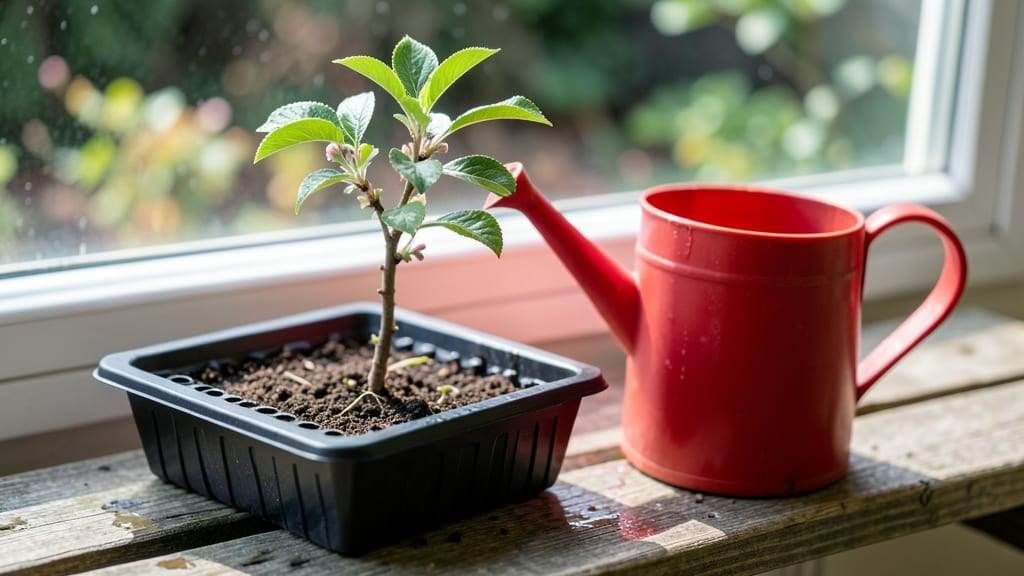
Growing a cherry tree from seed takes patience—expect 5 to 7 years until your 🌳 finally bears fruit, though some varieties may fruit sooner with the right care.
If you’ve ever dreamed of biting into a cherry plucked from your own backyard, you’ll need to embrace the long game. Unlike grafted trees that fruit in as little as 3 years, seed-grown cherry trees develop at their own pace, with each stage offering its own rewards.
From the first sprouts peeking through the soil to the first blossoms in spring, this guide covers the year-by-year milestones so you know exactly what to expect—and how to give your tree the best shot at thriving.
We’ll also share the secrets to speeding up maturation, from soil prep to pruning, so you can enjoy that first sweet cherry sooner than you think.


Cherry tree growth timeline: year-by-year development from seed to sapling
Growing a cherry tree from seed is a long-term commitment, but understanding the year-by-year milestones makes the journey far more manageable. Unlike grafted trees, seed-grown cherries develop their own root systems and unique characteristics, which takes time.
With the right care, you can guide your tree through each critical stage—from a tiny sprout to a 3-year-old sapling—and set the foundation for future fruit production.
Patience is key because cherry trees mature slowly. Most varieties won’t bear fruit until they’re 5–10 years old, but proper care in the early years can accelerate their development.
Below, we’ll break down what to expect each year, including height expectations, care requirements, and key milestones that ensure your tree thrives.
In Year 0, your journey begins with seed germination. Cherry seeds are notoriously slow to sprout, often taking 4–6 weeks in ideal conditions (warmth of 60–70°F and consistent moisture).
Start seeds indoors in well-draining soil mixed with perlite to prevent rot. Once the first true leaves appear—usually 0.5–1 inch tall—you’ll know your seedling is off to a start.
By Year 1, your seedling will focus on building a robust root system and reaching 1–2 feet tall. This is when you’ll need to provide full sun exposure (at least 6 hours daily) and a balanced fertilizer (like 10-10-10) every 4–6 weeks.
Mulch around the base to retain moisture and protect roots during winter dormancy. Avoid overwatering—soil should stay evenly moist but not soggy.
When your tree hits Year 2, it’s time to transplant outdoors if it’s been growing in containers. Choose a sunny, well-draining location with 6+ feet of space for future growth.
At this stage, your sapling will grow 3–5 feet tall, but it’s critical to stake it for support and prune any leggy or weak branches. Deep watering (about 20 liters weekly) will encourage strong root development.
By Year 3, your cherry tree will have developed a woody structure and may reach 6–10 feet tall. This is when you’ll start seeing flower buds form, though fruiting won’t happen yet.
Focus on structural pruning to open the canopy for sunlight and air circulation. Monitor for common pests like aphids or borers, and treat early with neem oil or insect
Critical care factors that speed up or delay cherry tree fruit production
Your cherry tree’s journey from seed to fruit-bearing maturity hinges on four critical care factors: soil quality, sunlight exposure, watering habits, and pruning techniques. Each plays a pivotal role in determining how quickly—or slowly—your tree reaches fruiting age.
For example, poor soil drainage can delay root development by up to 2 years, while pruning mistakes might redirect energy away from fruit production entirely.
Let’s start with the foundation: soil quality. Cherry trees thrive in well-draining, slightly acidic soil (pH 6.0–6.5). Compacted or clay-heavy soil restricts root growth, forcing your tree to divert energy to survival rather than flowering.
I’ve seen seedlings in heavy soil struggle to grow beyond 3 feet in their first year—a clear sign of stunted potential. Amending your soil with compost and sand can accelerate root development by 30–50%.
⚠️ WARNING: Common Mistakes That Stall Growth ⚠️
Next, sunlight exposure is non-negotiable. Cherry trees require 6+ hours of direct sun daily to set fruit. In my garden, a sweet cherry sapling in partial shade took 5 years to flower, while one in full sun bloomed in 3 years.
If your tree isn’t getting enough light, consider relocating it or using reflective surfaces (like white walls) to maximize sunlight.
Watering habits also make or break your timeline. Deep, morning watering (1–2 inches per week) encourages strong root systems, while shallow, frequent watering leads to weak roots and delayed fruiting. I’ve noticed that cherry trees watered at night are prone to fungal diseases, which further slow growth. Use a soaker hose to deliver water directly to the root zone and reduce evaporation.
Finally, pruning techniques directly impact fruiting speed. Prune in late winter or early spring to remove dead or crossing branches, which improves airflow and sunlight penetration. Avoid heavy pruning during fruiting seasons—this can reduce next year’s harvest by up to 40%.
I recommend open-center pruning for young trees to encourage a strong scaffold for future fruit-bearing branches.
By mastering these four care factors, you can shave 1–2 years off your cherry tree’s maturation timeline. The key is consistency: test your soil annually, monitor sunlight exposure, water deeply, and prune strategically.
With patience and precision, your homegrown cherries will be within reach sooner than you think! 🌳🍒