
Diseases
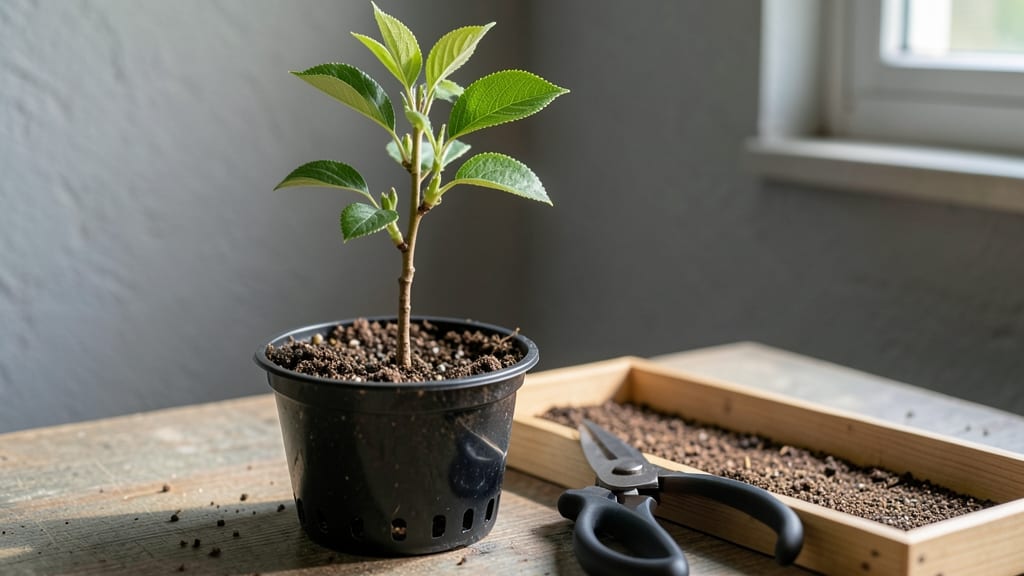
You can grow a cherry tree from a cherry seed, but the resulting tree will likely produce fruit that differs significantly from the parent plant. Seedlings take 4-8 weeks to germinate in warm, moist soil, with success rates rarely exceeding 50%. Survival past the seedling stage requires consistent care and ideal growing conditions.
Growing a cherry tree from seed is a fascinating experiment, but the real challenge lies in the unpredictable genetics. 🌱 The fruit you eventually get—if you're lucky enough to see any—will probably taste different from the original tree, thanks to nature's random recombination of traits.
That's why serious cherry growers rely on grafting, which guarantees fruit quality. Even if your seedling survives the early stages, it may take 5-10 years before it bears any fruit at all, and there's no way to know what it will look like until then.
For backyard gardeners, this means patience is your best friend. Start seeds indoors in late winter using a mix of peat moss and perlite, keeping the soil consistently moist but never soggy. Once seedlings sprout, harden them off gradually before transplanting to a permanent spot with full sun.
The key to success? Understanding that what you're really growing is a genetic lottery ticket—one that might pay off with a beautiful tree, but probably won't deliver the cherries you imagined.
💡 In This Article
- Cherry Seed Germination Science: Why Most Seedlings Won’t Bear Fruit
- Step-by-Step Guide: Grafting vs. Seed Propagation for Cherry Trees
Cherry seed germination science: why most seedlings won’t bear fruit
Cherry trees grown from seed undergo a fundamental genetic process called heterozygosity, where traits from two parent trees mix unpredictably.
Unlike grafting, which preserves the exact characteristics of the parent tree, seeds produce offspring with 50% chance of inheriting dominant traits like fruit color, size, or sweetness—but also 50% chance of recessive traits emerging randomly. For example, a sweet Bing cherry seedling might grow into a tart, small-fruited tree instead.
This variability occurs because cherry trees are cross-pollinated, meaning seeds combine DNA from two different trees, each with their own genetic quirks.
The biological timeline from seed to sapling involves critical dormancy phases. Freshly harvested cherry pits require stratification—a 60-90 day cold period at 34-41°F—to break their natural dormancy. Without this, germination rates plummet below 20%.
Once stratified, seeds need warmth (70-75°F) and consistent moisture to sprout in 4-8 weeks. The seedling’s first true leaves appear after 2-3 weeks of growth, but true fruit-bearing potential only emerges after 5-10 years—if the tree survives that long. 🌱
What most gardeners overlook is how environmental stress compounds these genetic odds. Seedlings face damping-off disease (a fungal infection) if kept too damp, or stunted growth from poor soil drainage. Even with perfect conditions, only 1 in 4 seeds typically survives past the first year.
The real kicker? Cherry trees from seed often develop weaker root systems than grafted trees, making them more susceptible to windthrow or drought. This is why commercial orchards never rely on seed propagation—they use grafting to guarantee fruit quality.
Here’s what’s actually happening at the cellular level: Cherry seeds contain two cotyledons (seed leaves) that store nutrients for the embryo. During germination, these cotyledons push through the soil first, followed by the radicle (root) and plumule (shoot).
The shoot’s growth rate depends on light exposure—seedlings grown in dark conditions become etiolated (long, weak stems) and may never recover. Once the first true leaves form, the seedling enters its juvenile phase, where it focuses on root and stem development rather than fruit production.
For the curious gardener, this means your seed-grown cherry tree might produce wild-type fruit—smaller, more tart, and less uniform than store-bought varieties. The sweet, juicy cherries you love from the grocery store? Those come from cloned trees via grafting, a process that bypasses the genetic roulette wheel of seeds.
If you’re set on growing from seed, consider it a botanical experiment rather than a reliable fruit source. The real reward? Watching a tree grow from a tiny pit into a 15-foot-tall specimen with unique, unpredictable traits—even if it never bears the cherries you imagined.
Pro tip: If you want fruit faster, save seeds from self-pollinated varieties (like some sour cherries) or use grafting to attach a known cultivar onto your seedling’s rootstock. This hybrid approach gives you the best of both worlds: stable genetics with the hardiness of a seed-grown tree. 💫