
Propagation
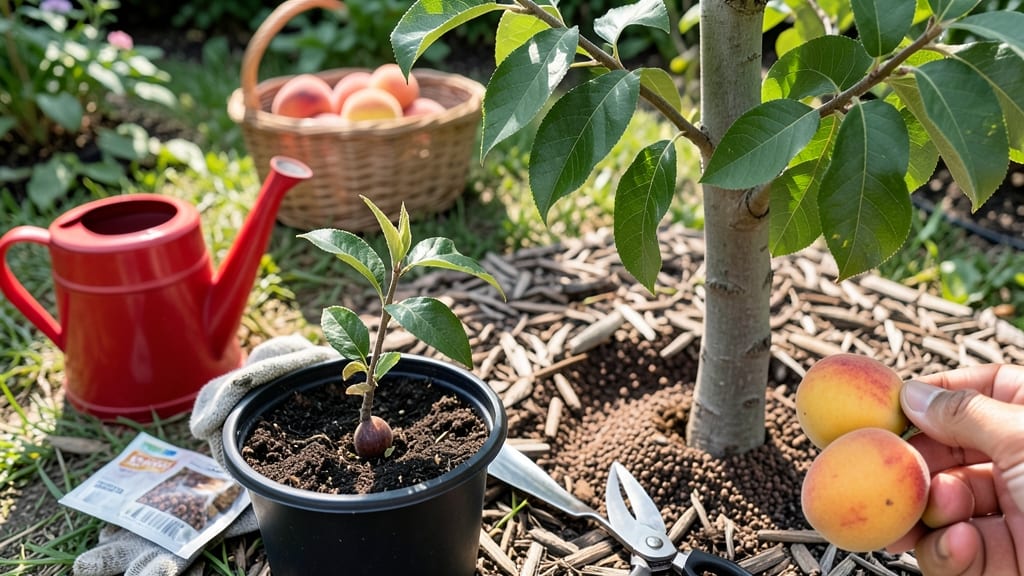
Growing a peach tree from seed to fruit is like nurturing a tiny dream into something you can pick from your own yard. 🌱 The journey starts with a simple pit—one you might toss out after eating a peach—and ends with juicy, sun-ripened fruit that tastes like summer in every bite.
I’ve grown three peach trees from seed, and while it takes patience (and a few lessons learned the hard way), the reward of watching those first blossoms appear makes every step worth it.
The real secret isn’t just planting the seed—it’s understanding the stages. Germination takes 4-6 weeks in warm soil, but the hard part comes later: training the tree to grow strong, pruning to shape it right, and ensuring it gets enough sunlight and water.
Most people quit when the tree doesn’t fruit in the first few years, but with the right care, you’ll see your first peaches by year 3 or 4. That first harvest? Pure magic.
What makes this journey special is how it connects you to the cycle of nature—from the moment you crack open that pit to the day you hand-pick fruit straight from the branch.
You’ll learn to spot early signs of pests, understand when to prune for better airflow, and even hand-pollinate if your tree needs a little help. The best part? You’re not just growing a tree; you’re creating a legacy that keeps giving back, year after year.
Whether you’re in a warm climate or a cooler zone, this guide breaks down every step—from seed to sapling to fruit-bearing tree—so you can troubleshoot challenges before they happen. Let’s get those pits planted and turn your backyard into a peach orchard!
📚 In This Guide
- What you need
- Instructions
- Tips and common mistakes
- Wrapping up and next steps
What you need
- ● Peach pit (seed): 1 fresh, plump pit from a ripe, organic peach (avoid store-bought pits treated with fungicides).
- ● Growing containers: 1 small pot (4–6 inches deep) for germination.
- ● 1 larger pot (10–12 inches deep) or nursery bed for sapling growth (if not planting directly in the ground).
- ● Potting soil: 1 bag of well-draining, sterile seed-starting mix or a blend of 50% peat moss and 50% perlite.
- ● Gravel or sand: Small handful for drainage layer at the bottom of pots.
- ● Spray bottle: For gentle watering during germination.
- ○ Plastic wrap or humidity dome: To retain moisture (optional but helpful for germination).
- ● Sunlight access: A sunny windowsill (south-facing) or a grow light for 6–8 hours daily.
- ● Pruning shears: Small, sharp pair for trimming saplings (sterilize with rubbing alcohol).
- ● Fertilizer: Balanced 10-10-10 fertilizer for young trees (apply sparingly, 2–3 times per year).
- ○ Organic options like composted manure or worm castings (optional but nourishing!).
- ● Patience: Peach trees from seed can take 3–7 years to bear fruit (vs. 1–2 years for grafted trees).
- ● Climate: Peach trees thrive in USDA Zones 5–9 with chill hours (300–900 hours below 45°F/7°C). Use a heat lamp or indoor grow light if you’re in a warmer zone.
- ● Space: Mature trees need 15–20 feet of space (or a large container if growing in pots).
- ● Watering routine: Consistent moisture (but avoid soggy soil) during germination and early growth.
- ● 🌱 Cold stratification: Replicate winter conditions by refrigerating the pit in a damp paper towel for 4–6 weeks before planting to break dormancy.
- ● 🔥 Soil test: Check your garden soil’s pH (ideal: 6.0–7.0). Amend with lime if too acidic.
- ● ✨ Pollination: If growing multiple trees, ensure cross-pollination for fruit set (or hand-pollinate with a paintbrush!).
How to grow a peach tree from seed to fruit
Here's the straightforward method I've used to grow peach trees from pits to fruit-bearing trees.
🌱 Step 1: Extract and Prepare the Peach Pit
Start with a fresh, organic peach pit—never one from a store-bought fruit, as they're often treated to prevent sprouting. Remove the pit by cutting the peach in half and scooping out the seed. Rinse the pit thoroughly to remove any fruit residue, then let it dry completely for 3-5 days in a warm, dry place.
Once dry, use a sharp knife to carefully slice the pit lengthwise, being careful not to cut the seed inside. The seed is the small, flat, brown nut in the center. Remove it and set aside. You'll notice the pit has a hard, stony shell—this is the seed coat that needs to be softened before planting.
💧 Step 2: Stratify the Seed for Germination
Peach seeds require a cold stratification process to break dormancy. Place the seed between two damp paper towels, fold them over, and put them in a sealed plastic bag. Store the bag in your refrigerator for 6-8 weeks. Check the towels weekly and mist with water if they dry out—you want them damp but not soaking wet.
This cold treatment mimics winter conditions and signals the seed that it's time to grow. After 6-8 weeks, the seed should start to sprout. You'll see a tiny root emerge first, followed by a small shoot. Once you see these signs, it's time to plant.
☀️ Step 3: Plant the Germinated Seed
Fill a small pot, about 4-6 inches deep, with a well-draining potting mix. Plant the germinated seed about 1 inch deep, making sure the shoot is facing upward. Gently press the soil around the seed to secure it, but don't pack it down too tightly.
Place the pot in a warm, sunny spot where it will receive 6-8 hours of sunlight daily. Keep the soil consistently moist but not soggy. You'll know it's moist enough when the top inch of soil feels damp to the touch. Within 2-4 weeks, you should see the first true leaves emerge.
🌿 Step 4: Transplant and Care for the Seedling
Once the seedling has grown to about 6-8 inches tall and has several sets of true leaves, it's ready to be transplanted into a larger pot or directly into the ground. Choose a location with full sun exposure and well-draining soil. Dig a hole slightly larger than the seedling's root ball and place it in the hole, covering the roots with soil.
Water the seedling thoroughly after transplanting to help it establish roots. Mulch around the base of the tree with a 2-3 inch layer of organic mulch to retain moisture and regulate soil temperature. Keep the soil consistently moist for the first few weeks, then gradually reduce watering as the tree becomes established.
⏰ Step 5: Prune and Fertilize for Fruit Production
As your peach tree grows, prune it regularly to encourage strong branch development. Remove any dead, diseased, or crossing branches to improve air circulation and sunlight penetration. Prune in late winter or early spring before new growth begins. Aim to shape the tree into an open vase form to maximize sunlight exposure for fruit production.
Fertilize your peach tree in early spring with a balanced, slow-release fertilizer. Follow the package instructions for application rates. Peach trees are heavy feeders, so they'll benefit from regular feeding. Keep an eye out for pests and diseases, and treat any issues promptly to ensure a healthy tree and a successful fruit harvest.
Tips & tricks for growing a peach tree from seed
Growing a peach tree from seed is a rewarding but delicate process—here's how to avoid common pitfalls and maximize your success.
Seed Selection: Always choose pits from fresh, organic peaches—store-bought varieties are often treated to prevent sprouting. I learned this the hard way after struggling with non-germinating seeds from grocery store fruit. Look for pits that feel heavy and firm, not soft or shriveled, as these indicate healthy seeds with good germination potential.
Stratification Success: The 6-8 week cold stratification is non-negotiable for breaking dormancy. I recommend placing your seed in the refrigerator's crisper drawer where temperatures stay consistently cool (around 35-40°F). This mimics natural winter conditions and significantly improves germination rates. Check weekly to ensure the paper towels stay damp—never soggy—this prevents mold while keeping the seed hydrated.
Planting Depth: When planting your germinated seed in Step 3, bury it only 1 inch deep—this is crucial for proper emergence. I've seen beginners plant too shallow (less than ½ inch) which can expose the seed to drying out, or too deep (over 2 inches) which may prevent the shoot from breaking through. The top of the seed should be just below soil level with the shoot pointing upward.
Sunlight Strategy: The 6-8 hours of daily sunlight requirement is strict—peach trees are heavy sun lovers. If you're in a cooler climate, supplement with a grow light during winter months when daylight is limited. I place my seedling near a south-facing window initially, then gradually move it outside to harden off before full transplantation. Watch for yellowing leaves which indicate insufficient light.
Pro Tips for Peach Tree From Seed To Fruit
- Growing a peach tree from seed is a rewarding but delicate process—here's how to avoid common pitfalls and maximize y...
- Seed Selection: Always choose pits from fresh, organic peaches—store-bought varieties are often treated to prevent sp...
- Stratification Success: The 6-8 week cold stratification is non-negotiable for breaking dormancy. I recommend placing...
Frequently asked questions
Got questions about growing a peach tree from seed to fruit?
You’re not alone! Here are some of the most common queries—plus straightforward answers to help you avoid pitfalls (pun intended) and maximize your harvest.
How long does it take for a peach seed to grow into a fruiting tree?
A peach tree grown from seed typically takes 5–7 years to bear fruit—if it ever does! Seed-grown trees often produce one unique fruit (like the parent), but they’re rarely consistent. For reliable harvests, grafted trees (3–4 years) are the better bet. Patience is key—think of it as a long-term investment!
What’s the best climate for growing a peach tree from seed?
Peach trees thrive in USDA Zones 5–9, where winters dip below freezing (to break dormancy) and summers stay warm (70–90°F for pollination). Avoid tropical climates—they need cold stratification (chilling) to germinate. If you’re in a mild zone, mimic winter with a fridge trick (see our stratification guide).
Why isn’t my peach seed sprouting? Troubleshooting tips.
If your seed sits stubbornly dry, try these fixes:
- Stratification failed: Peach pits need 60–90 days in moist sand/refrigerator (40°F). Skip this, and germination drops to near-zero.
- Rotten seed: Slice open the pit—if it smells foul or oozes, toss it. Freshness = life!
- Too hot/cold: Ideal germination temp is 70–80°F. Use a heat mat if your home runs chilly.
Can I grow a peach tree indoors? What about in a pot?
Yes, but with big limitations:
- Containers: Use a 15–20 gallon pot with drainage and full sun (south-facing window or grow lights). Dwarf varieties (like ‘Bonanza’) adapt better than standard trees.
- Indoors: Forget fruit—indoor peach trees stay ornamental. They need 12+ hours of light daily and may struggle with pollination. Outdoor pots are your best bet for tasty peaches!
Will my homegrown peach tree produce fruit like the grocery store?
Probably not—and that’s okay! Seed-grown trees often yield one weird, unique peach (e.g., your neighbor’s ‘Redhaven’ seed might grow a tiny, fuzzy freak!). For predictable fruit (like juicy ‘Elberta’ or ‘Suncrest’), buy a grafted tree from a nursery. Grocery-store peaches? They’re bred for shelf life, not flavor—your tree’s fruit will taste far superior once it matures!
What pests should I watch for on my young peach tree?
Keep an eye out for:
- Aphids/mealybugs: Suck sap, causing curled leaves. Blast off with water or use neem oil.
- Peach tree borers: Tiny holes in bark = big trouble. Prune infested branches and apply borer spray in early summer.
- Birds/squirrels: They’ll steal your seeds or fruit! Use netting or reflective tape to deter them.
Wrapping up and next steps
Growing a peach tree from seed to fruit is a rewarding journey that blends patience, care, and a touch of magic! 🌱 From selecting the perfect pit to nurturing your sapling through seasons, each step brings you closer to that sweet, juicy harvest. Remember: consistency is key—whether it’s pruning, pollinating, or protecting your tree from pests.
Now that you’re armed with knowledge, why not take the next step? Plant that pit today, and in a few years, you’ll be enjoying homegrown peaches—plus, you’ll have a stunning centerpiece for your garden. Happy growing! 🍑✨