
Propagation
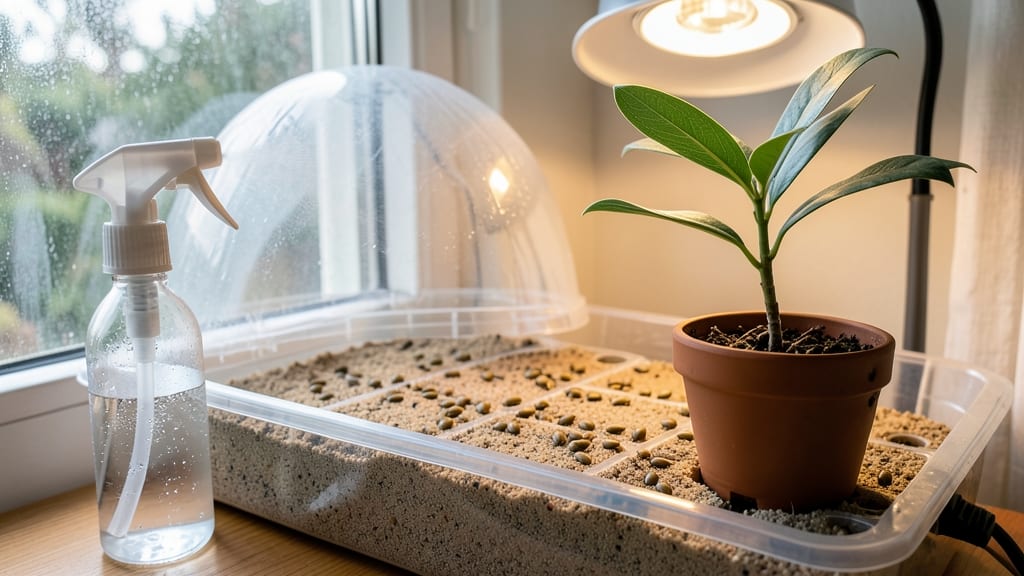
Eucalyptus seed propagation means unlocking those silvery-blue leaves and fragrant foliage you love—without paying nursery prices. 🌿 The secret isn’t complicated: eucalyptus seeds thrive in warm, sandy soil and need patience (germination takes 4-8 weeks), but the payoff is worth it. I’ve grown mine from seed twice now, and the first whiff of that signature scent still makes me grin.
Start with a lightweight potting mix—eucalyptus hates soggy roots—and keep it warm (70-75°F). Seeds don’t need scarification or stratification, just a shallow planting (¼ inch deep) and consistent moisture. A humidity dome or plastic wrap helps speed things along, but don’t overdo it—these seeds need air too.
My first batch failed because I kept them too damp, so I learned the hard way.
Once sprouted, give them bright, indirect light and thin seedlings to 3-4 inches apart when they’re a few inches tall. They’re slow starters but grow fast once they take hold.
By summer, you’ll have sturdy young trees ready for transplanting—just don’t rush it. Eucalyptus hates cold, so wait until nighttime temps stay above 50°F before moving them outdoors.
Outdoor planting works best in USDA Zones 8-11, where they’ll reach their full height. Space mature trees 15-20 feet apart for that classic eucalyptus grove look. The key is consistency: warm soil, patience, and avoiding overwatering. Once established, they’re drought-tolerant and low-maintenance—just like the mature trees you’ve always admired.
📚 In This Guide
- What you need
- Instructions
- Tips and common mistakes
- Wrapping up and next steps
What you need
- ● Eucalyptus seeds: 10–20 fresh, viable seeds (preferably from a trusted supplier or wild-harvested, not dried for too long).
- ● Seed-starting mix: 1–2 cups of well-draining, sterile potting soil (or a blend of 50% peat moss + 50% perlite/pumice).
- ○ Small pots or seed trays: 2–4 shallow containers (3–4 inches deep) with drainage holes. Optional: Biodegradable peat pots for easy transplanting.
- ● Spray bottle: 8–12 oz with water for gentle misting (avoid soaking!).
- ● Clear plastic wrap or humidity dome: To retain moisture (reusable or single-use).
- ○ Heat mat (optional but helpful): A small, low-wattage (70–80°F) mat to speed up germination (place under seed trays).
- ● Grow lights or sunny windowsill: A south-facing window or LED grow lights (12–16 hours/day) for consistent warmth.
- ● Fine-mesh screen or paper towels: For pre-soaking seeds (if needed).
- ● Labels & markers: To track seed varieties and planting dates.
- ● 🌡️ Temperature control: Eucalyptus seeds thrive in 70–85°F soil—use a heat mat if your home runs cooler.
- ● ✨ Sterilize tools: Rinse pots and tools with a 10% bleach solution (1 part bleach to 9 parts water) to prevent mold.
- ● 💧 Moisture balance: Keep soil consistently damp (not soggy!)—eucalyptus seeds need humidity but hate waterlogged roots.
Step-by-Step guide to growing eucalyptus from seed
Eucalyptus seeds need warmth and patience—here's how to break dormancy and coax those first green shoots.
🌱 Step 1: Stratify Seeds to Break Dormancy
Eucalyptus seeds have hard outer shells that resist water absorption. To soften them, I soak the seeds in lukewarm water for 24 hours first. Place them in a small container, cover with water, and let them sit at room temperature. You'll see tiny bubbles forming—that's the seed coat starting to soften.
After soaking, transfer the seeds to a damp paper towel and fold it over them. Place the towel inside a sealed plastic bag and refrigerate for 2-4 weeks. This cold treatment mimics winter conditions and signals the seed it's time to germinate. Check weekly—if the towel dries out, mist it lightly with water.
💧 Step 2: Prepare Warm, Well-Draining Soil Mix
Eucalyptus roots need air and warmth to thrive. Mix 50% peat moss with 50% perlite for a fast-draining blend that prevents rot. Fill small seedling trays or individual pots with this mix, leaving ½ inch of space at the top for watering. Tap the containers gently to settle the soil without compacting it.
Pre-warm the soil mix by placing the trays on a seedling heat mat set to 70-75°F for 24 hours before planting. Warm soil speeds germination and protects delicate seedlings from temperature shock. You'll know it's ready when the surface feels slightly warmer than room temperature to the touch.
☀️ Step 3: Sow Seeds and Maintain High Humidity
Plant seeds ¼ inch deep in the warm soil, spacing them 1 inch apart in rows. Cover lightly with additional soil mix—just enough to obscure the seeds but not bury them too deeply. Mist the surface with a spray bottle until the soil looks evenly damp but not soggy.
Cover the tray with clear plastic wrap or a humidity dome to trap warmth and moisture. Place the tray under grow lights set to 14 hours of light daily, positioned 3 inches above the soil. Eucalyptus seeds need consistent warmth and light to germinate—expect sprouts in 3-6 weeks, though some stubborn varieties may take longer.
🌿 Step 4: Thin Seedlings and Provide Bright Light
Once seedlings reach 2 inches tall, thin them to 1 plant per cell if using trays. Use small scissors to snip unwanted seedlings at soil level—pulling risks disturbing roots. Keep the strongest, straightest seedling in each spot, as eucalyptus doesn't tolerate crowding.
Move seedlings to a sunny windowsill or under full-spectrum LED grow lights for 12+ hours daily. Rotate the tray a quarter turn every 3 days so plants grow upright. You'll notice leggy stems if light is insufficient—these seedlings won't recover proper strength. Water from the bottom by placing trays in ½ inch of water for 10 minutes twice weekly.
⏰ Step 5: Transplant to Larger Pots When Ready
After 8-12 weeks, when seedlings have 4-6 true leaves, transplant them to 4-inch pots filled with the same peat-perlite mix. Gently loosen roots with your fingers before placing them in the new container—eucalyptus roots are sensitive to disturbance. Water thoroughly after transplanting to help settle the soil around the roots.
Place pots in a location with bright, indirect light for 2 weeks to help them adjust. Avoid direct sun initially, as it can scorch young leaves. Gradually introduce them to morning sunlight over 1 week. You'll know they're thriving when new leaves appear with a waxy, dark green finish—this indicates strong, healthy growth.
Tips & tricks for perfect eucalyptus seed germination
These practical insights will help you navigate the delicate balance between warmth, moisture, and patience required for eucalyptus seeds.
Stratification Success: During the 24-hour soaking period in Step 1, use a glass container so you can easily monitor the bubbles forming. If you notice mold developing after 12 hours, rinse the seeds and start fresh—they're sensitive to contaminants. The bubbles indicate the seed coat is softening, which is critical for breaking dormancy. I've found that using distilled water prevents mineral buildup that could inhibit germination.
Soil Temperature Secret: When pre-warming your soil mix to 70-75°F in Step 2, place a small thermometer directly in the soil to verify the temperature. Many heat mats don't distribute heat evenly, and cooler spots can delay germination. I recommend using an infrared thermometer for accuracy—it's worth the investment for such delicate seedlings. The warm soil is what triggers those first tentative sprouts.
Humidity Dome Hack: For Step 3's humidity dome, I use clear plastic wrap secured with rubber bands rather than store-bought domes. This gives me better control over ventilation—simply lift the plastic for 5 minutes daily to prevent fungal growth. The eucalyptus seeds need that consistent moisture, but stagnant air can become a problem. You'll know you've got the right balance when condensation forms on the plastic but doesn't drip onto the soil.
Light Positioning: When setting up your grow lights in Step 3, position them just 2 inches above the soil initially rather than the suggested 3 inches. Eucalyptus seedlings are particularly sensitive to light intensity, and starting closer ensures they get enough energy for early growth. After they sprout, gradually increase the distance to 3 inches as they grow taller—this mimics natural light conditions and prevents leggy growth.
Pro Tips for Eucalyptus Seed Propagation
- These practical insights will help you navigate the delicate balance between warmth, moisture, and patience required for eucalyptus seeds.
- Stratification Success: During the 24-hour soaking period in Step 1, use a glass container so you can easily monitor the bubbles forming.
- Soil Temperature Secret: When pre-warming your soil mix to 70-75°F in Step 2, place a small thermometer directly in the soil to verify the temperature.
Frequently asked questions
Got questions about eucalyptus seed propagation?
You’re not alone! Here are answers to the most common queries—so you can grow your own eucalyptus with confidence.
How long does it take for eucalyptus seeds to germinate?
Germination can take anywhere from 2 to 6 weeks, depending on temperature, moisture, and seed freshness. Keep soil consistently warm (around 70–75°F) and moist—patience is key! If no sprouts appear after 6 weeks, the seeds may need stratification or could be non-viable.
Can I propagate eucalyptus from cuttings instead of seeds?
Cuttings are often easier for beginners. Use 6–8 inch semi-hardwood cuttings from healthy branches, dip in rooting hormone, and place in moist perlite or sand. Keep humidity high and roots should form in 4–8 weeks. Seed propagation is slower but rewarding for variety!
What’s the best temperature for eucalyptus seed germination?
Eucalyptus seeds thrive in warmth—aim for 70–85°F (21–29°C). Use a heat mat or place trays near a sunny window. Avoid cold drafts or fluctuating temps, which can stall germination. A greenhouse or propagator speeds up the process in cooler climates.
Why aren’t my eucalyptus seeds sprouting? Troubleshooting tips.
Try these fixes if germination stalls:
- Check seed viability: Test a few seeds in water—if they sink, they’re likely viable.
- Adjust moisture: Overwatering can drown seeds; under-watering dries them out. Keep soil damp but not soggy.
- Light exposure: Some seeds need light to germinate; others prefer darkness. Experiment with covering trays.
- Scarify seeds: Lightly nick the seed coat with sandpaper to help water penetrate.
Do eucalyptus seedlings need special care after germination?
Once sprouted, keep seedlings in bright, indirect light and maintain humidity with a plastic dome or misting. Transplant to individual pots when they have 2–3 true leaves. Use well-draining soil (like a mix of potting soil and perlite) and avoid overwatering—eucalyptus hates soggy roots!
Wrapping up and next steps
Growing eucalyptus from seed is a rewarding journey that brings a touch of nature’s beauty into your space!
With the right warmth, patience, and care, you’ll soon witness those tiny seeds transform into thriving saplings. Now that you’re armed with tips and tricks, it’s time to roll up your sleeves and get planting! Start small—maybe just a few seeds in a pot—and watch your eucalyptus garden grow.
Happy propagating! 🌱✨