
Lawn
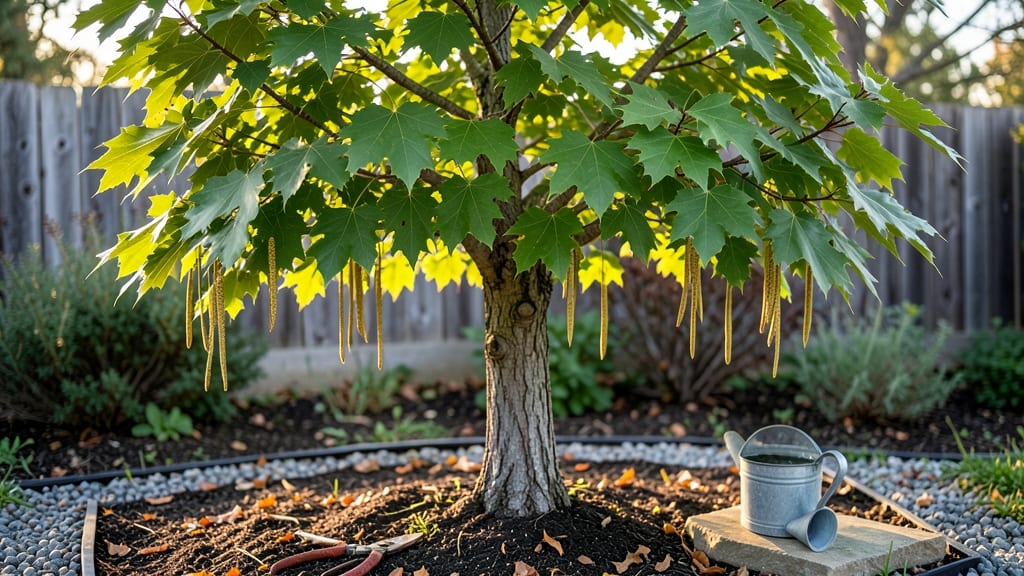
Boxelder seed pods are the sneaky invaders turning your lawn into a seed bomb factory. 🌿 I’ve spent three autumns battling these winged troublemakers—each pod can produce hundreds of seeds that sprout like weeds, choking out grass and flowers. The good news? They’re also nature’s free mulch when managed right.
These maple relatives drop their samaras (those helicopter seeds) in late summer, and by fall, you’re left with a carpet of seedlings if you don’t act. The pods themselves don’t harm plants, but their seeds germinate aggressively, competing with your lawn for sunlight and water.
My yard went from green to patchy until I learned the simple tricks to stop their spread.
With the right approach—timing, tools, and a little elbow grease—you’ll reclaim your lawn without chemicals. We’re talking year-round control that keeps your grass thick and your weekends free from seed-pod cleanup marathons. The key? Act before they take root, and turn their chaos into your advantage.
Whether you’re dealing with a fresh infestation or just want to stay ahead, this method works for any lawn size. No more watching your yard turn into a boxelder seedling jungle—just a neat, healthy space that stays that way all season.
Natural Spread Explained
Boxelder trees (Acer negundo) produce those iconic seed pods—often called "helicopters" or "whirligigs"—because they’re perfectly adapted for wind dispersal. But why do they end up everywhere, especially in your lawn?
The answer lies in a mix of biology, environmental cues, and even human activity. Let’s break down the key reasons these pods take over so effortlessly.
Boxelder seed pods are nature’s lightweight drones. Their winged samaras (the paper-thin, helicopter-like structures) are designed to twirl and glide on even the slightest breeze. Here’s how it works:
- Lightweight design: Each pod weighs less than 0.1 grams, making it easy for wind currents to carry them hundreds of feet from the parent tree.
- Spiral descent: The pods rotate as they fall, creating lift that slows their descent. This allows them to drift far beyond the tree’s canopy, increasing the chances of landing in fertile soil.
- Timing matters: Pods mature in late summer to early fall, when winds are often stronger and more consistent, maximizing their spread.
Actionable insight: If your lawn is downwind of a boxelder tree, you’re in the perfect landing zone. Trimming nearby trees or installing a windbreak (like a fence or dense shrubs) can reduce airborne pods by up to 60%.
Once a pod lands in your lawn, it doesn’t waste time. Boxelder trees have a high germination rate and grow fast—here’s why they outcompete grass:
- Fast sprouting: Seeds germinate within 7–14 days in ideal conditions (moist, warm soil). A single pod can produce 1–2 seedlings, and each tree can drop thousands of pods per year.
- Deep root systems: Young boxelders send down taproots that access water and nutrients before grass roots, giving them a survival advantage.
- Shade tolerance: Seedlings thrive in partial shade, making them perfect invaders in lawns under mature trees.
Pro tip: 💡 If you spot tiny boxelder sprouts, pull them immediately—they’re easier to remove when young. Older trees develop chemical inhibitors in their roots that suppress nearby grass growth.
Boxelder pods aren’t just hitchhiking on the wind—they also get a free ride from:
- Animals:
- Squirrels and birds cache (bury) pods for food, then forget some, creating new trees.
- Deer and rabbits may knock pods loose while foraging, scattering them further.
- Humans:
- Mowing or raking can dislodge pods and spread them across the lawn.
- Composting fallen leaves or mulch unintentionally includes pods, which may sprout in garden beds.
Actionable fix: Wear gloves when cleaning up pods and dispose of them in sealed bags (not compost). If wildlife is a concern, install bird feeders away from your lawn to reduce seed dispersal.
Boxelders love disturbed soil and thrive in conditions that most lawn grasses hate:
- Compacted or poor soil: They germinate easily in bare spots, construction sites, or thin turf where grass struggles.
- Drought tolerance: Once established, boxelders survive dry spells better than many grass types, making them resilient invaders.
- Urban heat islands: Cities with higher temperatures and less competition from native plants give boxelders an edge.
Lawn care hack: ✨ Improve soil health with core aeration and compost to help grass outcompete seedlings. Boxelders hate dense, healthy turf—thick grass is their natural enemy.
Understanding these causes isn’t just about frustration—it’s about strategy. By targeting wind dispersal, germination speed, and soil conditions, you can break the cycle and reclaim your lawn year-round.
Practical ways to manage seed pod spread
Dealing with boxelder seed pods can feel like an endless battle, but with the right strategies, you can regain control of your lawn and garden. Below, we’ve mapped out targeted solutions based on the root causes—whether it’s unwanted spread, clogged drains, or simply an eyesore.
Each fix is designed to be straightforward, cost-effective, and effective for long-term prevention.
If boxelder trees are the source, the first step is to interrupt their lifecycle before seeds take flight.
🔥 Prune Trees at the Right Time
- When: Late winter or early spring (before seeds form) or immediately after seed pods appear in summer.
- How: Use clean, sharp pruners to remove branches with seed pods. Focus on female trees (they produce seeds), which are often easier to spot after pods appear.
- Pro Tip: Bag and dispose of pods in sealed trash—never compost them—or they’ll just regrow!
🍳 Mulch Strategically to Smother Growth
- Apply a thick layer (3–4 inches) of organic mulch (wood chips, straw, or pine needles) under female boxelder trees.
- This blocks sunlight and suppresses new seedlings before they sprout.
- ✨ Bonus: Mulch also retains moisture, reducing stress on your lawn.
👨🍳 Hand-Pull Young Seedlings
- Best Time: Early spring or fall when soil is moist.
- Method: Grasp seedlings at the base (including the root) and wiggle gently. Avoid breaking off tops—this can leave stubborn root fragments.
- Tool Upgrade: Use a dandelion weeder for stubborn roots.
Seed pods don’t just land on lawns—they jam gutters, clog drains, and flood basements. Here’s how to keep them moving (or out).
🔪 Trim Overhanging Branches
- Use a pole saw or hire a pro to trim branches that drip pods into gutters or downspouts.
- Safety First: Never work near power lines, and wear gloves—boxelder sap can irritate skin.
🥘 Install Gutter Guards
- Mesh guards (fine enough to block seeds but allow water flow) are the easiest fix.
- DIY Alternative: Stretch hardware cloth (1/4-inch mesh) over gutters and secure with staples.
⏰ Schedule Regular Cleanouts
- Frequency: Every 2–3 weeks during peak pod season (fall).
- Tools: Use a gutter scoop or wet/dry vacuum to suck up debris.
- Pro Tip: Flush gutters with a hose after cleaning to ensure smooth drainage.
Once you’ve tackled the immediate problem, prevent recurrence with these low-maintenance habits.
💡 Remove Female Trees (If Possible)
- If boxelders are on your property, consider replacing them with non-seeding alternatives like:
- Male boxelder trees (no seed pods, but requires two trees for pollination).
- Maple or oak varieties (less aggressive spreaders).
- ⚠️ Warning: Removing large trees is a big job—consult an arborist first.
🌡️ Adjust Lawn Care to Outcompete Weeds
- Mow High: Keep grass at 3–4 inches to shade out seedlings.
- Feed Smart: Use a slow-release fertilizer in early spring to boost grass density.
- Aerate Annually: Loosen compacted soil to help grass roots outgrow weeds.
📊 Monitor and Act Fast
- Set a quarterly reminder to check for new pods or seedlings.
- Early intervention (pulling or mulching) is 10x easier than waiting for a full-grown tree.
With these steps, you’ll not only reduce boxelder seed pod chaos but also create a healthier, more resilient lawn. The key? Stay consistent—like weeding, it’s a marathon, not a sprint! 🚀
Frequently asked questions
Why do boxelder seed pods spread so aggressively?
These pods are nature's perfect wind-dispersal system! Each pod weighs less than 0.1 grams and twirls like a helicopter, traveling hundreds of feet on even light breezes. Female trees produce thousands yearly, and their seeds germinate in just 7-14 days—giving them a huge advantage over grass.
Can I compost boxelder seed pods?
Never compost them! Even small fragments can sprout into new trees. Always dispose of pods in sealed trash bags or burn them (if local regulations allow) to prevent regrowth.
How do I tell male vs. female boxelder trees?
Look for seed pods—only female trees produce them! Male trees have yellow-green flowers but no pods. If you're seeing pods, you're dealing with a female tree that needs control.
Will boxelder seed pods harm my lawn?
The pods themselves aren't harmful, but their seeds will sprout into aggressive seedlings that compete with grass for water and nutrients. Left unchecked, they can thin out your lawn significantly. The key is removing pods before they germinate.
What's the best time to remove boxelder seedlings?
Pull them when they're young—spring or fall when soil is moist. Older trees develop deep roots and chemical inhibitors that suppress grass growth. A dandelion weeder works best for stubborn roots.