
Lawn
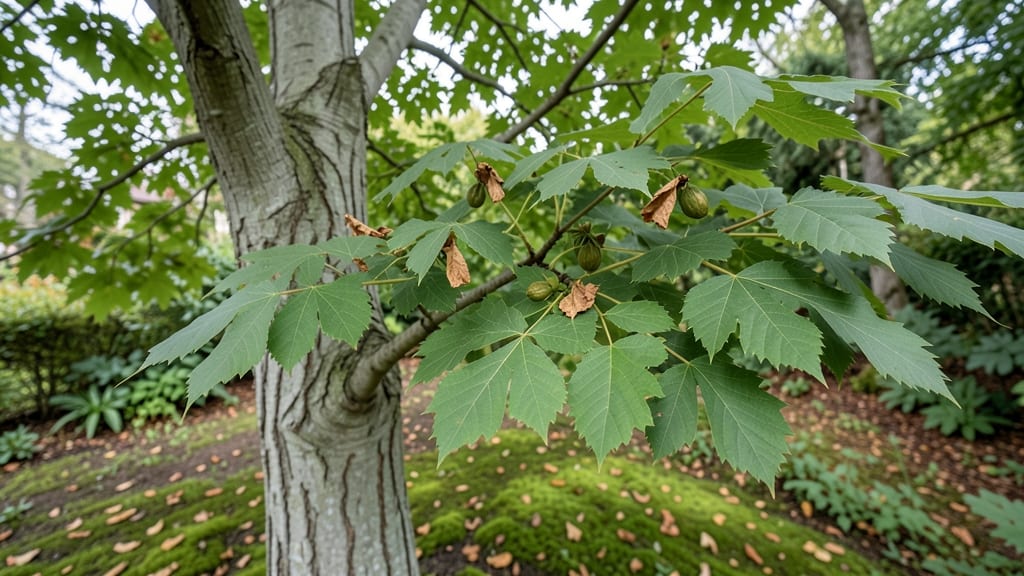
Box elder seed pods twist open with a satisfying pop—nature's way of releasing the next generation of trees. 🌿 I've spent years watching these helicopter-shaped pods spiral to the ground, only to realize they're not just a nuisance but a gardener's secret weapon for propagation or wildlife support.
The pods form in late summer, ripening by fall when they twist dramatically to release seeds. If you're dealing with an invasive tree, you can collect them before they drop—just wear gloves, as the sap can irritate skin.
For gardeners, these seeds can sprout into new box elder trees, though they're fast-growing and may need controlling. Harvesting them early lets you store seeds for planting later. Spread a tarp under the tree, shake the branches, and collect the pods before they twist.
Store them in a cool, dry place until spring planting—just remember, these trees grow aggressively and may need thinning. Whether you're saving seeds, controlling spread, or supporting local wildlife, understanding these pods transforms a yard chore into a gardening opportunity. Here's how to work with them—without the frustration.
📚 In This Guide
- What you need
- Instructions
- Tips and common mistakes
- Wrapping up and next steps
What you need
- ● Gloves (nitrile or leather) – 1 pair (to protect hands from sap and thorns).
- ● Pruning shears or loppers – 1 pair (for safe pod harvesting from branches).
- ● Large mesh bags or breathable containers – 2–3 (to prevent moisture buildup and allow airflow).
- ● Paper towels or newspaper – 1 roll (for drying pods before storage).
- ● Small paper bags or envelopes – 5–10 (for individual pod storage).
- ● Permanent marker – 1 (to label pods by harvest date).
- ● Air-tight containers (glass jars or plastic bins) – 1–2 (for long-term seed viability).
- ○ Silica gel packets (optional) – 2–3 (to absorb excess moisture in storage).
- ● Handheld vacuum or leaf blower – For quick pod collection from the ground.
- ● Seed viability test kit – To check germination rates before storage.
- ● Notebook or app (e.g., Seed Savers Exchange) – To track harvest dates and conditions.
- ● Solar-powered dehydrator – For extra-dry storage prep (if humidity is high).
Step-by-Step guide to harvesting box elder seed pods
Here's how to collect and store these seeds without the usual frustrating twist—plus keep them viable for planting.
🌿 Step 1: Identify and Select Mature Seed Pods
Box elder pods turn a papery brown when fully mature, usually in late summer to early fall. Look for clusters that have separated slightly from the tree but remain attached at the base. These pods should feel dry and papery to the touch—if they still have a greenish tint or feel moist, they're not ready.
Collect pods from the ground or shake them gently from branches using a long pole or by standing on a sturdy ladder. Avoid pods that have already split open or been damaged by pests, as their seeds may not be viable. A single healthy tree yields enough pods for dozens of future seedlings.
🪴 Step 2: Extract Seeds Without Twisting
The key to avoiding frustration is to split the pods open before they twist shut. Lay a pod on a flat surface and gently press along the seam with your thumb. The pod should open like a book, revealing the winged seeds inside. Never twist—this causes the pod to clamp shut and makes extraction nearly impossible.
Once open, shake the pod gently over a clean bucket or paper bag to release the seeds. Discard any empty seed cases or debris. Store the extracted seeds in a labeled paper envelope or small mesh bag for immediate use or short-term storage.
☀️ Step 3: Dry and Store Seeds for Long-Term Viability
Spread the seeds in a single layer on a paper towel or mesh screen in a dry, well-ventilated area for 3-5 days. This slow drying prevents mold while maintaining viability. The seeds are ready when they feel dry and brittle to the touch but haven't shriveled excessively.
For long-term storage, place the dried seeds in an airtight container with a desiccant packet (like silica gel) to absorb moisture. Store in a cool, dark place—such as a refrigerator or cool basement—where they can remain viable for 2-3 years. Label the container with the harvest date to track freshness.
⏰ Step 4: Stratify Seeds for Spring Planting
Box elder seeds benefit from stratification to break dormancy. Mix the seeds with slightly damp sand or vermiculite in a sealed container, then refrigerate for 4-6 weeks. Check weekly to ensure the mix remains moist but not soggy—excess moisture causes rot.
After stratification, sow seeds ¼ inch deep in well-draining soil. Keep the soil consistently moist but not waterlogged, and place the container in a sunny window or under grow lights. Seedlings typically emerge in 2-4 weeks, signaling successful germination. Thin to 6-12 inches apart once they reach 3-4 inches tall.
Tips & tricks for perfect box elder seed pod harvesting
Here's what nobody tells you about turning frustration into success with these tricky seed pods.
Timing Secret: Harvest box elder pods in the late morning when dew has evaporated but before the heat of midday. This reduces moisture in the pods, making them easier to open without tearing. I've found that pods collected after rain take longer to dry—up to 7 days instead of the usual 3-5 days—so plan accordingly.
Pod Selection Tip: Look for pods that have begun to separate from the tree stem but haven't fully detached. These are at the perfect maturity stage for seed extraction. I learned this the hard way after trying to use fully detached pods that had already started splitting open—those seeds were often empty or damaged.
Extraction Technique: When splitting open pods in Step 2, use a butter knife along the seam if your thumbs aren't strong enough. Apply gentle pressure along the entire length of the pod to prevent it from twisting shut. This method preserves the delicate winged seeds that might otherwise get crushed during extraction.
Storage Wisdom: For long-term viability beyond the 2-3 years mentioned, consider vacuum-sealing your dried seeds in addition to using desiccant packets. I've had excellent results with this method, extending viability to 5 years when stored in a freezer. Just be sure to label each package with the harvest date and stratification status.
Pro Tips for Box Elder Seed Pods
- Here's what nobody tells you about turning frustration into success with these tricky seed pods.
- Timing Secret: Harvest box elder pods in the late morning when dew has evaporated but before the heat of midday.
- Pod Selection Tip: Look for pods that have begun to separate from the tree stem but haven't fully detached.
Frequently asked questions
about box elder seed pods—because even the most seasoned gardeners have questions! Here are answers to the most common ones to help you navigate harvesting, storage, and troubleshooting like a pro.When is the best time to harvest box elder seed pods?
Harvest box elder seed pods when they turn tan or light brown and split open naturally—usually in late summer to early fall (August–October, depending on your climate). Avoid harvesting when pods are still green or sticky, as seeds won’t be fully mature. Pro tip: Shake a few pods over paper—if seeds rattle inside, they’re ready!
How long do box elder seed pods stay viable for storage?
Properly dried and stored seeds remain viable for 2–3 years in a cool, dark place (like a sealed container in the fridge or freezer). For longer-term storage, use moisture absorbers (like silica packets) to prevent mold. Warning: Humidity or heat can reduce viability—check pods annually for pests or spoilage.
Can I twist box elder seed pods off the tree without damaging them?
Yes! Gently twist and pull pods from the tree when they’re dry—no need for tools. If pods resist, they’re not fully mature yet. For stubborn clusters, use pruning shears (clean blades only!) to avoid tearing. Key trick: Harvest on a dry day to prevent mold during storage.
What if my harvested pods attract pests or mold?
Pests (like weevils) or mold mean your storage conditions are too damp or warm. Fix it: Spread pods in a single layer on a screen to dry further (3–5 days), then store in airtight containers with rice or cat litter (natural moisture absorbers). Discard any pods with visible mold or holes.
Are there alternatives to harvesting box elder seed pods?
If you’re short on time, try these options:
- Buy seeds online (reputable nurseries sell box elder seeds year-round).
- Use fallen pods from the ground—just clean and dry them before storage.
- Grow from cuttings (though seeds are easier for propagation).
Wrapping up and next steps
Box elder seed pods may seem like a seasonal nuisance, but with the right techniques, they can become a year-round resource for natural beauty and even eco-friendly projects! 🌿 Whether you're saving them for crafts, wildlife support, or simply reducing yard clutter, twist-free harvesting ensures viability and ease.
Now that you’re equipped with the knowledge, why not take action?
🌱 Your Next Step:
- Gather your pods—follow the twist-free method to collect them efficiently.
- Store or repurpose—dry, label, and use them for DIY projects or bird feeders.
- Share the trick! Spread the word to fellow gardeners and make your yard (and theirs) more sustainable.