
Lawn
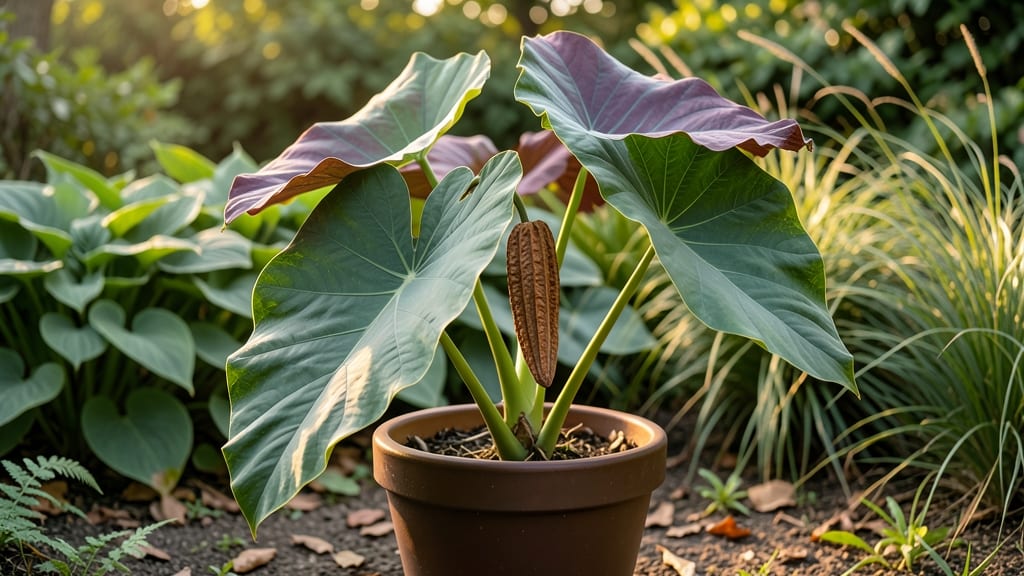
Harvesting elephant ear seed pods turns your garden into a year-round seed source. 🌱 The secret lies in knowing exactly when those pods are ready—before they split open and scatter seeds everywhere.
I’ve collected hundreds of pods this way, and the process is simpler than it looks, especially if you time it right.
Start by spotting the pods when they turn from green to a papery brown, usually in late summer or early fall. Gently twist them off the stem (no cutting needed) and let them dry indoors for a few days.
Once fully dry, they’ll rattle when shaken—a sure sign seeds are ready for extraction. This method keeps seeds viable for months, so you’re never scrambling for new plants.
Germinating these seeds is where the magic happens. Soak them in warm water for 24 hours first—this mimics tropical rain and speeds up sprouting. Then, plant them in moist potting mix or even just a shallow dish of water with a paper towel.
Within 10-14 days, you’ll see tiny shoots pushing through, and those will grow into your next batch of dramatic, tropical foliage.
The best part? These seeds thrive in 70-80°F conditions, making them perfect for indoor starts or greenhouse setups. Just avoid letting the soil dry out, and you’ll have a steady supply of new plants—no nursery trips required. Here’s how to make it work without the guesswork.
📚 In This Guide
- What you need
- Instructions
- Tips and common mistakes
- Wrapping up and next steps
What you need
- ● Harvesting: Sharp pruning shears or garden scissors (sterilized)
- ● Gloves (thick gardening gloves for protection)
- ● Large bucket or basket (for collecting pods)
- ● Newspaper or cardboard (to line your workspace)
- ● Processing: Paper towels or clean cloth (for drying)
- ● Small paintbrush or soft-bristle brush (for gentle cleaning)
- ● Air-tight storage containers (glass jars or resealable plastic bags with silica gel packets)
- ● Permanent marker (for labeling dates)
- ● Hand lens or magnifying glass (to inspect seed viability)
- ● Desiccant packets (additional for extra-dry storage)
- ● Humidity monitor (if storing in a climate-controlled space)
- ● Seed storage chart (to track harvest dates and viability)
How to harvest and store elephant ear seed pods for next season
Here's the simple method I use to save seeds from my elephant ears each year—no fancy tools or complicated steps.
🌿 Step 1: Identify and Harvest Mature Seed Pods
Wait until the seed pods turn a dry, papery brown color and begin splitting open slightly—this usually happens in late fall after the leaves have died back. The pods should feel crisp to the touch rather than soft or moist. I like to harvest on a dry morning when the humidity is low, as damp conditions can cause the seeds to mold.
Use clean, sharp garden shears or pruners to cut the entire seed stalk, leaving about 1 inch of stem attached. This helps preserve the seed attachment points. Place the harvested stalks in a paper bag (not plastic) to allow airflow while you process them.
🪴 Step 2: Dry and Clean the Seed Pods
Spread the harvested seed pods out on a clean, dry surface in a single layer. I use a cardboard box lined with newspaper for this step. Let them dry for 3-5 days in a warm, dry location with good air circulation. You'll know they're properly dried when the pods rattle slightly when shaken—this indicates the seeds inside are fully mature.
Once dry, gently rub the seed pods between your hands or use a small brush to release the seeds. Avoid using a fan or blower, as this can scatter seeds everywhere. I find that working over a large piece of newspaper makes cleanup much easier. Discard any empty or damaged pods—they won't produce viable seeds.
⏰ Step 3: Store Seeds for Long-Term Viability
Transfer the clean seeds into a small, airtight container like a glass jar or resealable plastic bag. I label each container with the variety name and the harvest year to keep things organized. Store the container in a cool, dark place—your refrigerator's crisper drawer works perfectly for this purpose.
Elephant ear seeds can remain viable for 2-3 years when stored properly. Check the seeds annually and discard any that look shriveled or discolored. If you notice moisture inside the container, transfer the seeds to a new, dry container immediately to prevent mold growth.
🌱 Step 4: Prepare for Next Season's Planting
In early spring, fill small pots with seed-starting mix and plant the seeds about ½ inch deep. Keep the soil consistently moist but not soggy, and place the pots in a warm location with indirect light. Germination typically takes 2-4 weeks, depending on the variety and temperature.
Once seedlings emerge, move them to a sunny window or under grow lights. Thin the seedlings to the strongest one per pot, as elephant ears grow large and need plenty of space. With proper care, you'll have robust plants ready for transplanting outdoors after the last frost date.
Tips & tricks for perfect elephant ear seed pod harvesting
Confession: I skipped the drying step for years and wondered why my seeds wouldn't germinate. Here's what nobody tells you about making this process foolproof.
Timing Secret: Harvest on a dry morning after the first frost when pods feel crisp—not just brown. I've learned the hard way that damp pods lead to moldy seeds. If you must harvest after rain, spread them immediately under a fan (on low) to speed drying, but check hourly to prevent scattering.
Drying Strategy: Those 3-5 days of drying are non-negotiable for viability. I place my cardboard box setup in a sunny window with a small fan blowing across it—this creates airflow without disturbing the seeds. Test readiness by gently shaking a pod; if seeds rattle, they're ready. Don't rush it, or you'll end up with shriveled seeds that won't sprout.
Storage Wisdom: The refrigerator's crisper drawer is your best friend for long-term storage, but here's the trick: place a small silica gel packet in your container to absorb any moisture that might develop. I also date my containers so I can track viability—seeds lose potency after 2-3 years, but proper storage keeps them fresh longer than you'd expect.
Pro Tips for Elephant Ear Seed Pod
- Confession: I skipped the drying step for years and wondered why my seeds wouldn't germinate.
- Timing Secret: Harvest on a dry morning after the first frost when pods feel crisp—not just brown.
- Drying Strategy: Those 3-5 days of drying are non-negotiable for viability.
Frequently asked questions
Got questions about harvesting and storing elephant ear seed pods? You’re not alone! Here are some of the most common queries—plus quick, actionable answers to keep your gardening game strong.
How do I know when elephant ear seed pods are ready to harvest?
Harvest when the pods turn brown and papery, usually 2–3 months after flowering. Press gently—if they’re dry and seeds rattle inside, they’re ready! Avoid harvesting too early, or seeds may not germinate properly. Pro tip: Morning harvests prevent humidity buildup inside pods.
Can I store elephant ear seed pods for next year, and how long will they last?
Yes! Store pods in a cool, dry place (like a paper bag with holes) for up to 6 months. For longer storage (up to a year), remove seeds, dry them thoroughly, and keep them in an airtight container with silica gel. Label everything!
What if my elephant ear seed pods won’t open naturally? Can I force them?
If pods stay stubbornly closed, place them in a paper bag and tie it loosely. Store in a warm, dry spot (like a sunny windowsill) for 1–2 weeks. The heat and humidity will trick them into opening. Avoid cutting pods open—this can damage seeds!
Are there alternatives to harvesting seed pods if I just want more plants?
Try tissue culture propagation (for advanced gardeners) or rhizome division in early spring. For beginners, buy new tubers from a nursery—elephant ears are easy to replant and often cheaper than waiting for seeds.
Why are my harvested seed pods attracting pests or mold?
Humidity is the #1 culprit! If pods feel damp or smell musty, dry them immediately in a well-ventilated area (like a fan-cooled room). Store seeds in meshed bags to deter pests. Never refrigerate wet pods—this speeds up spoilage. Quick fix: Sprinkle a little food-grade diatomaceous earth in storage containers for extra protection.
Wrapping up and next steps
Harvesting elephant ear seed pods is a rewarding way to extend your gardening season and ensure a fresh supply of these striking plants year-round.
With the right timing, tools, and storage techniques, you can enjoy their lush foliage without the stress of replanting. Now’s your chance to put this knowledge into action—start harvesting those pods today and watch your garden thrive!
🌱 Next step: Grab your gloves, head outdoors, and give it a try! Share your success (or ask questions) in the comments—we’re here to help!