
Planting
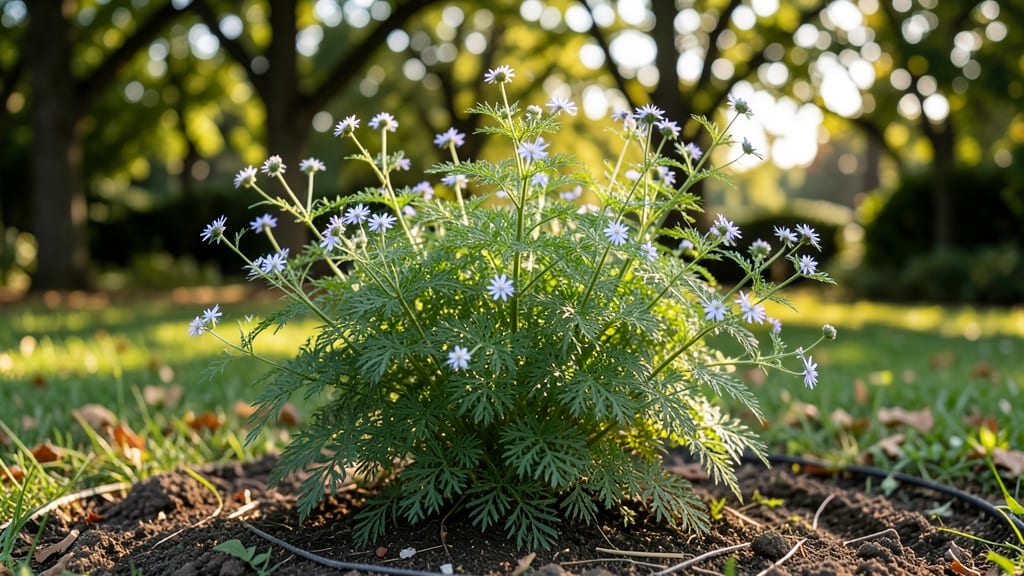
Growing black cumin seed plants means you’ll never buy it again—it’s that good. 🌱 These delicate, lace-like plants thrive in cool weather and produce seeds packed with flavor and health benefits, but most gardeners struggle with their finicky nature.
I’ve grown them for years, and the secret is in the soil, spacing, and patience. The key to success starts with well-draining soil and full sun—they hate soggy roots.
Plant seeds in early spring or late summer, about 1/4 inch deep, and space them 12-18 inches apart to prevent overcrowding. Black cumin tolerates light frost, making it perfect for early spring harvests. By mid-summer, you’ll see those signature papery seed pods forming.
Let them dry on the plant before harvesting—the seeds inside are what you’ll use for cooking or remedies. The flavor is nutty, slightly bitter, and perfect for teas, salads, or seasoning.
Once you master the basics, you can experiment with companion planting (they pair well with tomatoes and peppers) and even overwinter them in mild climates. The payoff? A pantry stocked with seeds that taste better than anything store-bought.
📚 In This Guide
- What you need
- Instructions
- Tips and common mistakes
- Wrapping up and next steps
What you need
- ● Black cumin seeds: 1–2 oz (30–60g) for direct sowing (organic, untreated preferred).
- ● Well-draining potting mix: 5–10 gallons (19–38L) of a blend with perlite or sand (e.g., 60% garden soil, 30% compost, 10% perlite).
- ● Containers or garden bed: Containers: 6–12" deep pots with drainage holes (4–6 plants per 12" pot).
- ● Garden bed: Full sun (6+ hours/day) with loose, rocky soil (pH 6.0–7.5).
- ● Watering can or hose: With a gentle spray nozzle for even moisture.
- ○ Fertilizer (optional but helpful): Balanced organic fertilizer (10-10-10) or compost tea (apply lightly every 4–6 weeks).
- ● Gloves: To protect hands from prickly stems.
- ● Hand trowel or small shovel: For transplanting or soil prep.
- ● Pruning shears: To snip dead flowers and encourage seed production.
- ○ Row cover or shade cloth (optional): For young plants in hot climates (30–50% shade).
- ● Harvesting bag: Mesh or paper bag to collect seeds as they ripen.
- ● Patience: Seeds take 60–90 days to mature.
- ● Consistent moisture: Keep soil evenly damp (not soggy) until germination.
- ● Sunlight: Full sun is non-negotiable for robust growth.
Step-by-step instructions for growing black cumin seed plants
Here's how to cultivate this aromatic powerhouse—no tangled vines or stubborn growth in sight.
🌱 Step 1: Select and Prepare the Right Location
Black cumin thrives in full sun with at least 6-8 hours of direct light daily. Choose a spot with well-draining soil—this plant hates soggy roots. If your soil is heavy clay, mix in 2-3 inches of compost before planting to improve aeration and moisture control.
I always test soil pH first—black cumin prefers a slightly alkaline range of 7.0-7.5. A simple soil test kit from your local garden center will tell you if you need to add lime (to raise pH) or sulfur (to lower it). Amend the soil 2-3 weeks before planting to let the adjustments take effect.
🌱 Step 2: Plant Seeds at the Correct Depth and Spacing
Sow seeds ¼ inch deep in early spring, after the last frost date in your area. Space them 12-18 inches apart in rows that are 18-24 inches apart—this gives plants room to spread without crowding, which prevents fungal diseases. I plant mine in a loose grid pattern for easier harvesting later.
Thin seedlings to the strongest plant per spot once they reach 2-3 inches tall. Use scissors to snip unwanted plants at soil level—this avoids disturbing the roots of the ones you keep. Water gently after thinning to help the remaining plants establish.
☀️ Step 3: Maintain Consistent Watering and Fertilization
Black cumin is drought-tolerant once established, but young plants need 1 inch of water weekly during dry spells. Water at the base in the morning to prevent fungal issues from evening moisture. You'll know it's time to water when the top 1-2 inches of soil feel dry to touch.
Feed plants with a low-nitrogen fertilizer (like 5-10-10) every 4-6 weeks during the growing season. Too much nitrogen produces lush foliage but fewer seeds. I also sprinkle a handful of crushed eggshells around the base for calcium—this strengthens stems and prevents blossom-end rot if you ever decide to grow companion plants nearby.
✂️ Step 4: Prune and Support for Optimal Growth
Pinch back the main stem when it reaches 6-8 inches tall to encourage bushier growth. This creates more branching, which translates to higher seed yields. Remove any yellowing or diseased leaves immediately to keep the plant healthy—black cumin is prone to powdery mildew in humid conditions.
If your plants grow tall (some varieties reach 2-3 feet), stake them lightly or use small cages to prevent flopping. I avoid heavy support because black cumin's stems are naturally sturdy. Harvesting becomes easier when plants stand upright, and you can see seed pods clearly.
⏰ Step 5: Harvest and Store Seeds Properly
Wait until seed pods turn brown and papery before harvesting—this usually happens 90-120 days after planting, depending on your climate. Twist pods gently to release seeds, or cut the entire stem and hang it upside down in a dry, dark place for 1-2 weeks to fully dry.
Store seeds in an airtight container in a cool, dark place. They'll keep for up to 2 years if stored properly. For fresh seeds, I harvest pods every 2-3 weeks once they start forming—this encourages continuous production throughout the growing season.
Tips & tricks for perfect black cumin seed plant cultivation
Here's what nobody tells you about growing this aromatic gem—my hard-won secrets for thriving plants.
Sunlight Strategy: While 6-8 hours of sunlight is the minimum, I've found that positioning your plants to capture morning sun (which is less intense) and afternoon shade in hot climates actually improves seed quality. Use a simple shade cloth during peak afternoon hours if your area exceeds 90°F—this prevents stress that can reduce seed production. The key is maintaining consistent light exposure without overheating the soil.
Soil Preparation Insight: That 2-3 inches of compost recommendation is non-negotiable for heavy clay soils, but don't stop there. I also mix in a handful of perlite or coarse sand to improve drainage further. The goal is to create a soil environment that mimics black cumin's natural Mediterranean habitat—well-draining yet moisture-retentive. Test your amended soil's drainage by filling a jar with soil and water—if water drains in under 30 minutes, you're golden.
Watering Wisdom: The 1 inch weekly guideline works for average conditions, but black cumin's drought tolerance kicks in after the first month. Once established, I water mine every 10-14 days during dry spells, checking soil moisture at 2 inches depth. Overwatering is the #1 cause of fungal issues—look for yellowing leaves or white powdery coatings as early warning signs. Morning watering isn't just about preventing fungal growth; it gives leaves time to dry completely before evening humidity sets in.
Harvesting Hack: For continuous production, I've developed a staggered harvesting method: pick 10% of the mature pods every 2 weeks starting at 90 days. This keeps plants producing while preventing over-maturation that reduces flavor intensity. When hanging stems to dry, use paper bags to catch falling seeds—this makes collection effortless and prevents seed loss from wind or pests.
Pro Tips for Black Cumin Seed Plant
- Here's what nobody tells you about growing this aromatic gem—my hard-won secrets for thriving plants.
- Sunlight Strategy: While 6-8 hours of sunlight is the minimum, I've found that positioning your plants to capture morning sun (which is less intense) and afternoon shade in hot climates actually improves seed quality.
- Soil Preparation Insight: That 2-3 inches of compost recommendation is non-negotiable for heavy clay soils, but don't stop there.
Frequently asked questions
Got questions about growing and maintaining your black cumin seed plant? You’re not alone!
Here are some of the most common queries—and their straightforward answers—to help you avoid common pitfalls and maximize your harvest.
How long does it take for black cumin seeds to mature after planting?
A black cumin seed plant typically takes 90 to 120 days to reach maturity from seed germination, depending on your climate and growing conditions. In warmer regions, you might see faster growth, while cooler areas may extend the timeline. Keep an eye out for the seed pods to turn brown and dry—this is your cue to harvest!
Can I grow black cumin seeds indoors or in containers?
Black cumin thrives in containers at least 12 inches deep with well-draining soil. Place them in a sunny spot (6+ hours of sunlight daily) or under grow lights. Just ensure the pot has drainage holes to prevent root rot. Containers are perfect for urban gardeners or those with limited space!
Why are my black cumin plants wilting or turning yellow?
Wilting or yellowing leaves often signal overwatering, underwatering, or poor drainage. Black cumin prefers moderate moisture—let the top inch of soil dry out between waterings. Check for pests like aphids or fungal issues (e.g., powdery mildew) if problems persist. Adjust care and monitor closely!
What’s the best way to harvest black cumin seeds for long-term storage?
Harvest when the seed pods are dry and brown, then gently rub them to release the seeds. Spread them on a tray to dry completely (1–2 weeks) in a cool, dark place. Store in an airtight container away from light and moisture—they’ll stay fresh for up to 2 years!
Are there any companion plants that help black cumin grow better?
Yes! Black cumin pairs well with marigolds, basil, and tomatoes, as they deter pests naturally. Avoid planting near potatoes or fennel, as they can compete for nutrients. Interplanting with herbs also improves flavor and yield!
Wrapping up and next steps
The black cumin seed plant is a resilient, rewarding addition to any garden—offering year-round harvesting with minimal fuss! Whether you’re a seasoned gardener or just starting, its adaptability and rich benefits make it a must-try.
With the right soil, spacing, and care, you’ll enjoy a bountiful harvest that’s both practical and packed with flavor.
Ready to put these tips into action? Start small—plant a few seeds this season and watch your garden thrive! 🌱 For even more success, experiment with companion planting or share your progress with fellow gardening enthusiasts. Happy growing!