
Propagation
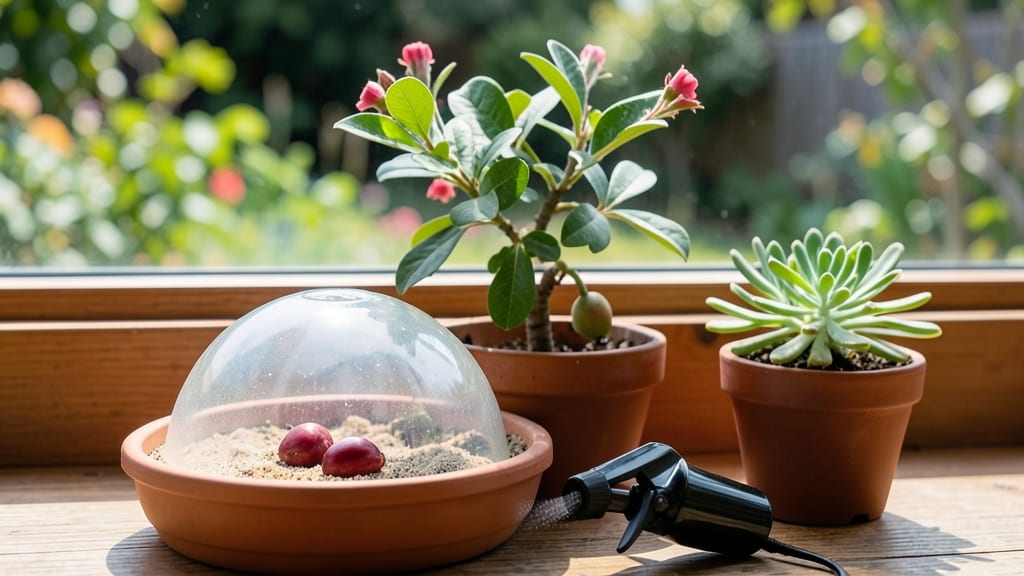
Growing pomegranates from seed to fruit is the ultimate long-term project—imagine cracking open your own homegrown fruit in three to five years. 🌱 I’ve watched seeds sprout into sturdy trees that produce jewel-toned arils with minimal fuss, and the key is patience paired with the right conditions.
The process starts with a simple 90-day cold stratification trick that mimics winter’s natural dormancy, then moves to warm soil and full sun. Most people quit after the slow germination phase, but once the tree establishes, it thrives with almost no maintenance—just occasional pruning and water during dry spells.
By year three, you’ll spot your first flowers, and with a little help from bees or a paintbrush, those blossoms turn into golf-ball-sized fruits by late fall. The real magic? These trees handle heat and drought once mature, making them perfect for dry climates or containers in cooler zones.
Here’s how to skip the common pitfalls and end up with a tree that keeps producing for decades—no fancy equipment needed.
📚 In This Guide
- What you need
- Instructions
- Tips and common mistakes
- Wrapping up and next steps
What you need
- ● Pomegranate seeds: 5–10 fresh, plump seeds (harvested from a ripe, organic pomegranate). Pro tip: 💡 Rinse seeds thoroughly to remove excess pulp before planting!
- ● Well-draining potting mix: 2–3 gallons of a blend designed for citrus or fruit trees (e.g., 60% cactus/succulent mix + 40% perlite or pumice). Avoid heavy garden soil!
- ● Containers: 1–2 small pots (4–6 inches wide) for seed germination.
- ● 1 large container (12+ inches wide, with drainage holes) for mature seedlings.
- ● Drainage trays or saucers: 2–3 shallow trays to catch excess water.
- ● Spray bottle: For gentle watering during germination.
- ● Fertilizer: A balanced, water-soluble fertilizer (e.g., 10-10-10 NPK) or organic options like fish emulsion.
- ● Hand trowel or small shovel: For transplanting seedlings.
- ● Pruning shears: To trim leggy seedlings later.
- ○ Grow lights or sunny windowsill: Seedlings need 6–8 hours of light daily. Optional but helpful: 🌡️ A heat mat (70–80°F) speeds up germination!
- ● Mulch (e.g., straw or bark chips): To retain moisture in the soil.
- ● pH test kit: Ideal soil pH for pomegranates: 5.5–7.0. Adjust with lime or sulfur if needed.
- ● Support stakes or trellis: For dwarf varieties (if growing indoors).
- ● A warm, sunny spot: Pomegranates thrive in USDA Zones 7–11 (or indoors with proper light).
- ● Patience: Germination takes 3–6 weeks, and fruiting may take 3–5 years!
- ● Consistency: Pomegranates hate soggy roots—water only when the top inch of soil is dry.
Step-by-step instructions for growing pomegranates from seed
Here's how to turn those ruby seeds into a thriving tree bearing fruit within a few years.
🌱 Step 1: Start Seeds Indoors for Strong Germination
Fill a small pot with sterile seed-starting mix and plant 2-3 seeds per pot about ½ inch deep. Pomegranate seeds need warmth to germinate—place the pot in a sunny window or under a grow light. Keep the soil consistently moist but never soggy; you'll know it's right when the surface stays damp but not wet to the touch.
Germination can take 3-4 weeks, so patience is key. Cover the pot with plastic wrap to retain humidity, but remove it daily to check moisture. Once sprouts appear, thin to the strongest seedling per pot. Watch for the first set of true leaves—these will be small and round, signaling it's time to move outdoors.
☀️ Step 2: Harden Off and Transplant Young Seedlings
After 4-6 weeks of indoor growth, begin hardening off by placing seedlings outside in partial shade for 1-2 hours daily. Gradually increase exposure over 10-14 days until they can handle full sun. Choose a sunny spot with well-draining soil—pomegranates hate soggy roots.
Transplant outdoors after the last frost when soil is warm. Dig a hole twice as wide as the root ball but no deeper. Space seedlings 12-15 feet apart to allow room for mature growth. Water deeply after planting to settle the soil around roots. You'll notice new growth within a few weeks—a sign the tree is establishing itself.
🪴 Step 3: Provide Full Sun and Consistent Care
Pomegranates thrive in full sun (6+ hours daily) and dry, well-draining soil. Water deeply once a week during the first year, allowing the top 2-3 inches of soil to dry between waterings. Overwatering causes root rot, so let the soil guide you—it should feel dry but not powdery.
Fertilize lightly in spring with a balanced 10-10-10 fertilizer to encourage strong growth. Prune in late winter to remove dead wood and shape the tree. You'll see flowers appear after 2-3 years, followed by fruit in 3-5 years. Watch for bright red blooms—these signal the start of your harvest journey.
⏰ Step 4: Winter Protection and Long-Term Care
Pomegranates are semi-drought tolerant but need winter protection in colder climates. Mulch around the base with 2-3 inches of organic mulch to insulate roots. In zones below 15°F, wrap the trunk with burlap or use a tree guard to prevent frost damage.
Harvest fruit in fall when the rind turns deep red and splits slightly. Cut stems with 2-3 inches of stem attached to extend shelf life. Store uncut fruit at room temperature until ripe. With patience, your seedling will reward you with vibrant, juicy pomegranates year after year.
Tips & tricks for perfect pomegranate cultivation
Real talk: Growing pomegranates from seed takes more patience than most plants, but these tricks will help you skip the common pitfalls.
Germination Secret: The 3-4 week germination window is your first challenge. To speed things up slightly, soak seeds in warm water for 24 hours before planting—they'll absorb moisture and start sprouting faster. I also place my pots on a seedling heat mat (set to 75°F) during germination, which cuts that wait time by about 5-7 days. Just remember, even with these tricks, don't be discouraged if it takes the full 4 weeks.
Hardening Off Hack: When you're increasing outdoor exposure from 1-2 hours to full sun over 10-14 days, I recommend tracking the weather. On cloudy days, you can safely extend exposure by 30-60 minutes beyond the schedule—those seedlings won't burn as easily. The key is watching for wilting; if leaves droop but perk up after watering, they're ready for more sun the next day.
Sunlight Strategy: That "full sun (6+ hours daily)" requirement is non-negotiable, but not all sun is created equal. If your location gets intense afternoon sun, I suggest planting near a wall or fence that gets morning sun but provides afternoon shade during the hottest hours. This gradual sun exposure helps prevent leaf scorch while still giving your tree the light it needs to thrive.
Winter Protection Wisdom: For those below 15°F zones, I've found that wrapping the trunk with burlap isn't enough on its own. Add a layer of bubble wrap around the burlap for extra insulation—it creates an air pocket that traps heat. I also mound extra mulch (up to 4 inches deep) around the base after the first hard frost, which adds another layer of protection against freezing temperatures.
Pro Tips for Pomegranate From Seed To Fruit
- Real talk: Growing pomegranates from seed takes more patience than most plants, but these tricks will help you skip the common pitfalls.
- Germination Secret: The 3-4 week germination window is your first challenge.
- Hardening Off Hack: When you're increasing outdoor exposure from 1-2 hours to full sun over 10-14 days, I recommend tracking the weather.
Frequently asked questions
Growing pomegranates from seed can feel like a gamble, but with patience and the right care, you can unlock a year-round harvest of these ruby-red jewels! Below, we’ve rounded up the most common questions—and answers—to help you troubleshoot, optimize timing, and avoid pitfalls along the way.
How long does it take for a pomegranate seed to sprout?
A pomegranate seed typically sprouts within 2–4 weeks if kept in warm, moist conditions (70–80°F). If you don’t see sprouts after 6 weeks, gently check for rot or mold—sometimes seeds need a little coaxing! Pro tip: Soak seeds overnight before planting to speed up germination.
Can I grow pomegranates indoors year-round?
Pomegranates thrive indoors with 6+ hours of sunlight daily (a south-facing window or grow lights work). Just ensure your plant gets winter dormancy (cool temps, less water) to mimic outdoor cycles. Dwarf varieties like ‘Wonderful’ are ideal for containers. Watch out: Overwatering is the #1 killer—let soil dry between waterings!
Why aren’t my pomegranate seeds sprouting?
Seeds may fail to sprout due to old seeds (use fresh ones!), cold temps, or poor drainage. Try these fixes:
- Test viability: Soak seeds in water—floaters are likely dead.
- Warmth hack: Place trays on a heating mat (75°F+).
- Light exposure: Keep seeds in bright, indirect light (no darkness!).
How do I tell if my pomegranate plant is healthy?
A thriving pomegranate has:
- Leaves: Deep green, slightly leathery (no yellowing or spots!).
- Stems: Woody and upright (not soft or mushy).
- Flowers: Bright red/orange blooms (sign of good health!).
When will my pomegranate tree bear fruit?
Patience is key! Seed-grown pomegranates may take 3–5 years to fruit, while grafted trees can produce in 1–2 years. To encourage fruiting:
- Ensure full sun (6+ hours daily).
- Fertilize lightly in spring (low-nitrogen, high-potassium).
- Hand-pollinate flowers with a soft brush if bees are scarce.
Wrapping up and next steps
Growing pomegranates from seed to fruit is a rewarding journey that blends patience with the joy of nurturing life. 🌱 From selecting the right seeds to mastering the delicate balance of water, sunlight, and care, each step brings you closer to a homegrown harvest. Now that you’re equipped with the know-how, why not take the plunge? Start with a single seed, and let your green thumb guide you toward a bountiful, year-round harvest—one juicy bite at a time!
Next step: Grab your supplies, plant that seed, and watch your pomegranate adventure unfold! 🌿