
Propagation
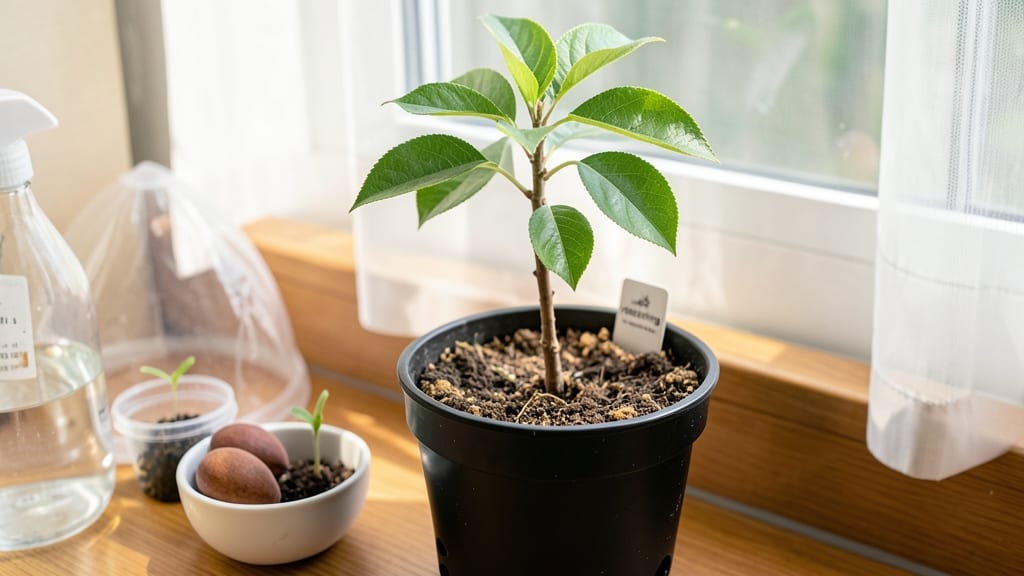
Growing peaches from seed indoors lets you watch tiny seeds become towering trees—if you know the secret to breaking their stubborn dormancy. 🌱 I’ve started dozens of peach pits, and only the ones I scarified and chilled properly ever sprouted.
The rest just sat there, stubborn as a summer peach stone. You’ll need a few simple supplies: a peach pit (from a ripe, fresh peach), sandpaper, a plastic bag, and a sunny windowsill.
The real magic happens in the cold: after scarifying the seed, you’ll let it chill for 6-8 weeks to mimic winter’s natural dormancy. No fancy equipment—just patience and a little science. Once sprouted, your seedling will need bright light (grow lights help) and careful watering to avoid damping off.
It’ll grow slowly at first, but with proper care, you’ll have a sturdy sapling ready for transplanting outdoors in 2-3 years. The wait is long, but the reward—homegrown peaches—is worth every day.
Peach trees grown from seed take 5-7 years to fruit, but the journey is part of the fun. Troubleshoot leggy seedlings with better light, and watch for pests like aphids early on. This isn’t a quick harvest—it’s a lifelong project.
📚 In This Guide
- What you need
- Instructions
- Tips and common mistakes
- Wrapping up and next steps
What you need
- ● Peach pit: 1-2 fresh, organic peach pits (avoid store-bought seeds treated with chemicals).
- ● Small pots or seed trays: 2-3 (4-6 inches wide) with drainage holes.
- ● Well-draining potting mix: 1 bag (look for a seed-starting mix or blend with perlite/vermiculite for aeration).
- ● Plastic wrap or humidity dome: 1 (to retain moisture while germinating).
- ● Spray bottle: 1 (for gentle watering).
- ● Grow lights or sunny windowsill: 1 (south-facing window or LED grow light for 12+ hours/day).
- ○ Heat mat (optional but helpful): 1 (70-85°F range to speed up germination).
- ● Scissors or knife: 1 (for carefully cutting pits).
- ● Paper towels: 2-3 sheets (for pre-soaking pits).
- ● Fertilizer (balanced, diluted): 1 small bottle (e.g., 10-10-10 or fish emulsion, once seedlings sprout).
- ● Pruning shears: 1 (for future trimming as the plant grows).
- ● Labeled plant markers: 2-3 (to track your seedling’s progress!).
Step-by-Step instructions for growing peaches from seed indoors
Here's how to coax peach pits into seedlings without the common pitfalls.
🌱 Step 1: Select and Prepare the Seeds
Start with fresh, plump peach pits—never use dried or cracked ones. I like to save pits from fully ripe, organic peaches since they're less likely to carry diseases. Remove all remaining fruit flesh and let the pits dry completely for 3-5 days at room temperature. This prevents mold from developing during storage.
Once dry, store the pits in a paper bag in the refrigerator for 6-8 weeks to break their natural dormancy. This cold stratification mimics winter conditions and tricks the seed into thinking it's time to grow. I label the bag with the date to track the timing—patience here pays off with faster germination.
💧 Step 2: Soak and Plant the Seeds
After stratification, remove the pits and soak them in lukewarm water for 24 hours. You'll see the outer shell soften and tiny cracks appear—this is your signal the seed is ready. Fill small pots (about 3-4 inches deep) with a light, well-draining seed-starting mix, leaving ½ inch of space at the top.
Plant each pit 1 inch deep, pressing gently but not compacting the soil. I use individual pots for each seed to avoid overcrowding later. Water lightly until the soil feels evenly moist, but not soggy. Place the pots in a warm spot (around 70-75°F)—a seedling heat mat works wonders if your home runs cooler.
☀️ Step 3: Provide Warmth and Light for Germination
Cover the pots loosely with plastic wrap to retain moisture and warmth. Check daily for condensation—if the wrap fogs up, remove it for 10-15 minutes to prevent mold. Germination can take 2-6 weeks, depending on the variety and your home's conditions. You'll know it's happening when you see a tiny root emerge from the bottom of the pit.
Once sprouts appear, remove the plastic and move the pots to a bright location with indirect light. Avoid direct sun at this stage—young seedlings can scorch easily. I use a grow light on a timer for 12-14 hours daily to keep them growing steadily. Watch for the first true leaves (not the initial seed leaves)—this is your cue to start fertilizing lightly with a diluted balanced liquid fertilizer.
🌿 Step 4: Transplant and Care for Young Seedlings
When seedlings reach 4-6 inches tall and have 4-5 true leaves, transplant them into slightly larger pots (about 6 inches deep) with fresh potting mix. Handle the seedlings gently to avoid damaging the roots. I like to harden them off for 1 week by placing them outside in a shaded spot for 1-2 hours daily before moving them to full sun.
Peach trees need full sun to thrive, so position them in the brightest spot you have. Water when the top 1 inch of soil feels dry, but avoid overwatering—peach seedlings are prone to root rot. You'll see new leaves emerge within 2-3 weeks if everything is right. This is the moment that matters: strong, healthy growth means you're on track for a productive tree.
Tips & tricks for perfect indoor peach seedlings
Don't let impatience ruin your peach-growing dreams—these tricks will help you avoid the most common pitfalls while keeping your seedlings on track.
Selection Tip: Here's what nobody tells you about peach pits—organic peaches are your best bet because conventional ones often carry fungicides that can inhibit germination. After you clean the pits, give them a quick rinse with a 10% hydrogen peroxide solution (1 part peroxide to 9 parts water) for 5 minutes to kill any lingering mold spores. This extra step in Step 1 prevents mold from sabotaging your 6-8 week stratification process later.
Germination Secret: The 24-hour soak in Step 2 is your chance to check pit viability. If any pits float during soaking, they're hollow and won't sprout—discard them immediately. For the remaining pits, I like to add a pinch of cinnamon to the soaking water (about ¼ teaspoon per quart). The cinnamon acts as a natural antifungal while the pits absorb moisture. This small tweak can cut your germination time by nearly a week.
Lighting Strategy: When you move your sprouts to indirect light in Step 3, position them about 6 inches below your grow light. Most grow lights are too intense when placed closer, and you'll burn delicate seedlings before they develop proper leaves. I use a simple LED bulb on a timer—no fancy equipment needed. The key is consistency: those 12-14 hours of light should be the same duration every day, even on cloudy days.
Transplanting Wisdom: In Step 4, when you're ready to transplant, I recommend using a chopstick or pencil to gently loosen the soil around the seedling's roots before removing it from the small pot. This prevents root damage and helps the seedling establish faster in its new home. Also, mark the back of each pot with the planting date—this helps you track growth patterns and anticipate when your tree might need repotting.
Pro Tips for Grow Peaches From Seed Indoors
- Don't let impatience ruin your peach-growing dreams—these tricks will help you avoid the most common pitfalls while k...
- Selection Tip: Here's what nobody tells you about peach pits—organic peaches are your best bet because conventional o...
- Germination Secret: The 24-hour soak in Step 2 is your chance to check pit viability. If any pits float during soakin...
Frequently asked questions
Got questions about growing peaches from seed indoors? You’re not alone—this method takes patience and a little know-how! Below, we’ve rounded up the most common queries to help you avoid pitfalls and set your peach tree up for success.
How long does it take for a peach seed to germinate indoors?
A peach seed typically takes 2–6 weeks to sprout indoors, depending on moisture, warmth (70–80°F), and seed freshness. Keep the soil consistently damp (not soggy) and use a heat mat if germination stalls. Patience is key—some seeds may take longer!
Can I grow a peach tree from seed indoors year-round?
Yes, but with adjustments! Indoors, you control the environment, so you can grow peach seeds anytime. However, winter months may require extra grow lights (14–16 hours/day) and humidity. If you start in late winter, your seedling will be ready for outdoor transplanting by spring.
Will my homegrown peach tree produce fruit like the grocery store peach?
Probably not! Most peach seeds grow into wild, non-commercial varieties with smaller, tart fruit. For reliable, flavorful peaches, graft a cultivated variety onto your seedling later. Think of this as a fun experiment—more about the journey than the harvest!
Why is my peach seedling growing tall but weak?
This is often a sign of etiolation—when seedlings stretch toward light due to insufficient sunlight. Move your seedling to a south-facing window or under grow lights immediately. Rotate the pot weekly for even growth, and fertilize lightly (half-strength) once true leaves appear.
What’s the best pot size for a young peach seedling?
Start with a 4–6 inch pot for germination, then upgrade to 1-gallon containers once the seedling has 3–4 sets of leaves. Peach trees have deep roots, so ensure pots have drainage holes. Repot annually in spring until the tree’s roots fill the pot—then consider transplanting outdoors (if climate allows).
Wrapping up and next steps
Growing peaches from seed indoors is a rewarding journey that blends patience with the joy of nurturing life from scratch! 🌱 With the right tools, a little care, and a dash of enthusiasm, you’ve got everything you need to coax those tiny seeds into thriving seedlings.
Remember, consistency is key—whether it’s warmth, light, or gentle watering.
Now that you’re armed with knowledge, why not take the next step? Share your progress with fellow plant lovers online or experiment with transplanting your seedlings outdoors (if your climate allows) once they’re sturdy enough. Happy growing—your future peach tree is waiting! 🌳✨