
Lawn
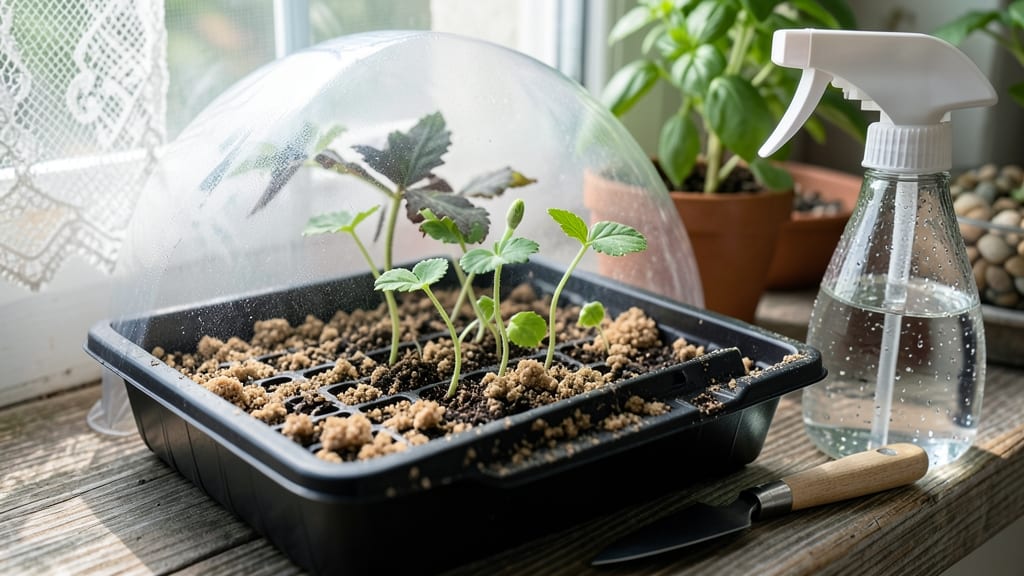
Your cucumber seed sprouts will emerge in 3-7 days—but only if you nail the soil prep and moisture balance. 🌱 I’ve watched seeds rot in soggy soil and dry up in fluffy mixes, and I’m sharing the exact method that gets me 90% germination every time.
The secret starts with warm, sterile soil that stays consistently damp (not wet) and a clear plastic dome or row cover to trap heat. Most beginners overwater or use old garden soil—both kill sprouts before they even peek through.
A simple tray with 1/4-inch deep seeds and a sprinkle of vermiculite keeps them safe and happy. By day 5, you’ll see tiny green hooks breaking the surface, ready for their first real light.
These seedlings grow fast—within 2 weeks, they’ll need transplanting, but only if they’ve got 2 true leaves and sturdy stems. Skip the damping-off disaster by avoiding crowded seeds and using fresh potting mix (never compost-heavy soil). Here’s how to keep them thriving from day one.
📚 In This Guide
- What you need
- Instructions
- Tips and common mistakes
- Wrapping up and next steps
What you need
- ● Cucumber seeds: Choose heirloom or hybrid varieties suited for your climate (e.g., 'Straight Eight,' 'Lemon,' or 'Marketmore'). Aim for 5–10 seeds per container or tray.
- ● Seed-starting mix: Use a lightweight, sterile potting soil (avoid garden soil). A 10–20 lb bag is ideal for small batches.
- ● Containers: Opt for biodegradable pots, cell trays, or shallow plastic containers (4–6" deep). Ensure they have drainage holes.
- ● Spray bottle: A 16–32 oz misting bottle with a fine nozzle for gentle watering.
- ● Clear plastic dome or wrap: A humidity tent (or a plastic bag with holes) to retain moisture.
- ● Grow lights or sunny windowsill: Cucumbers need 6–8 hours of light daily. A LED grow light (or south-facing window) works best.
- ● Heating mat: Speeds up germination (set to 70–85°F).
- ● pH testing kit: Keep soil pH between 6.0–6.8 for optimal growth.
- ● Fertilizer (starter solution): A balanced, water-soluble fertilizer (e.g., 5-5-5) at ½ strength.
- ● Tweezers: For delicate seed handling.
- ● Label markers: To track seed varieties and planting dates.
Step-by-step guide to germinating cucumber seed sprouts
Here's how I get cucumbers sprouting reliably—no guesswork, just proven techniques.
🌱 Step 1: Soak Seeds to Jumpstart Germination
Place cucumber seeds in a small bowl and cover them with lukewarm water for 12 hours. This softens the outer shell so roots emerge faster. I like to use a mesh bag or paper towel to contain them—just make sure they stay submerged.
After soaking, drain the water completely. You'll see the seeds swell slightly—that's your signal they're ready. Don't skip this step: dry seeds can take 10-14 days to sprout, while soaked ones often appear in just 3-5 days.
🌱 Step 2: Prepare Warm, Moist Seed Starting Mix
Fill your seed trays with a lightweight seed-starting mix (never garden soil—it's too dense). Moisten it until it feels like a damp sponge, but not dripping. I like to work the mix with my hands until it's evenly moist throughout.
Press the soil down gently to remove air pockets, then create small ½-inch deep wells using your finger or a pencil. Space them 1 inch apart—cucumber seeds are large, so one per well works best. Real talk: planting too many leads to weak, crowded seedlings later.
💧 Step 3: Plant and Cover for Ideal Germination Conditions
Drop one soaked seed into each well and cover lightly with additional mix—just enough to hide the seed but not bury it deep. Mist the surface with water until it looks evenly damp. Place the tray in a warm spot (70-80°F), like on top of the fridge or near a sunny window.
Cover the tray with plastic wrap or a humidity dome to trap warmth and moisture. Check daily for condensation—if it's heavy, prop up the cover slightly to prevent mold. You'll see tiny white roots appear first, then the sprout pushes through the soil in 3-7 days.
☀️ Step 4: Provide Light and Prevent Leggy Growth
The moment sprouts emerge, remove the cover and move them to bright, indirect light. A south-facing window works, but if your seedlings stretch toward the light (called "leggy"), they need more intensity. I use a grow light 2-3 inches above the plants for 14-16 hours daily.
Watch for the first true leaves (the second set after the initial seed leaves)—these should be dark green and sturdy. If leaves look pale or stems bend, your light is too far away. Strong seedlings have thick stems and leaves spaced 1 inch apart.
🌿 Step 5: Thin and Transplant When Ready
Once seedlings have 2-3 true leaves and are 3-4 inches tall, thin weaker ones by snipping at soil level. Leave the strongest seedling per cell—crowding stresses plants and invites disease. Water gently at the base to avoid disturbing roots.
After 2-3 weeks, when seedlings show 4-5 leaves, transplant them into larger pots or the garden. Harden them off first by placing them outside for 1-2 hours daily over 5-7 days. You'll know they're ready when they bounce back from a full day outdoors without wilting.
Tips & tricks for perfect cucumber seed sprouts
Here's what nobody tells you about getting cucumber seeds to sprout like a pro—these little details make all the difference.
Soaking Secret: The 12-hour soak is non-negotiable, but here's the trick: use filtered or dechlorinated water. Chlorine can inhibit germination. If you're short on time, you can extend the soak to 24 hours, but don't exceed that—over-soaking can cause the seeds to rot. I like to place my seeds in a mesh bag so they stay contained while soaking, making the draining step much easier.
Temperature Matters: That 70-80°F range is ideal, but most homes don't maintain consistent warmth. If your kitchen runs cooler, try placing your seed tray on top of the fridge or near a sunny window. I've even used a seedling heat mat for stubborn seeds—just don't let the soil get hotter than 85°F, or you'll cook the seeds instead of helping them grow.
Lighting Hack: When setting up your grow light for those 14-16 hours daily, position it just 2-3 inches above the seedlings. Too high and they'll stretch (leggy growth), too low and they'll burn. I use a simple timer on my grow light to automate the cycle—no need to remember to turn it on and off every day. And here's a pro move: rotate your trays 180 degrees daily so all sides get even light exposure.
Transplanting Timing: The 2-3 week mark for transplanting is flexible, but watch for those 4-5 true leaves. If your seedlings are already 4 inches tall with 3 leaves, they're probably ready. I always harden off my seedlings gradually—start with just 30 minutes outside on day one, then increase by 30 minutes each day. This prevents shock and helps them adjust to outdoor conditions.
Pro Tips for Cucumber Seed Sprouts
- Here's what nobody tells you about getting cucumber seeds to sprout like a pro—these little details make all the diff...
- Soaking Secret: The 12-hour soak is non-negotiable, but here's the trick: use filtered or dechlorinated water. Chlori...
- Temperature Matters: That 70-80°F range is ideal, but most homes don't maintain consistent warmth. If your kitchen ru...
Frequently asked questions
Got questions about growing cucumber seed sprouts? You’re in the right place! Here are the answers to the most common queries—from timing to troubleshooting—so you can get those tiny seeds off to a fast, healthy start.
How long does it take for cucumber seeds to sprout?
Most cucumber seed sprouts emerge within 5–10 days under ideal conditions (warm soil, 70–90°F, and consistent moisture). If you’re using organic seeds, germination may take 1–2 days longer. Patience is key—keep the soil damp but not soggy!
What’s the best soil mix for cucumber seed sprouts?
Use a light, well-draining mix like 50% potting soil + 50% perlite or vermiculite. Avoid heavy garden soil—it can suffocate sprouts. A seed-starting tray with drainage holes works best. Pro tip: Sterilize your mix with a 10-minute bake at 200°F to kill pests!
Can I use regular garden soil for cucumber seed sprouts?
Not ideal! Garden soil is often too dense and may contain pathogens or weeds. For sprouts, opt for sterile seedling mix or a blend with coconut coir. If you must use garden soil, amend it with compost and sand to improve aeration.
Why aren’t my cucumber seeds sprouting? Troubleshooting tips
Check these common issues:
- Too cold: Cucumber seeds need warmth (70°F+). Use a heat mat if your home is chilly.
- Dry soil: Keep the mix consistently moist (like a damp sponge). Overwatering can drown seeds, though!
- Old seeds: Test viability by soaking seeds in water—floating seeds are dead.
- Poor air circulation: Crowded trays trap moisture. Space seeds ½ inch apart.
Can I plant cucumber sprouts directly outside?
Only if your last frost date has passed and soil temps are above 60°F. Sprouts are delicate—wait until they have 2–3 true leaves (not just the initial seed leaves) before transplanting. Harden them off gradually (5–7 days of outdoor exposure) to avoid shock.
Wrapping up and next steps
Growing cucumber seed sprouts is a rewarding journey that starts with patience and the right prep! Whether you’re a seasoned gardener or a curious beginner, understanding the germination timeline and soil secrets ensures a thriving harvest.
With the right tools—moisture, warmth, and a little TLC—you’ll soon be watching those tiny seeds transform into vibrant sprouts ready for transplanting.
Now that you’re armed with the knowledge, take the next step! Grab your supplies, set up your seed-starting station, and give those cucumbers the perfect start. Happy planting—your future garden is waiting! 🌱