
Lawn
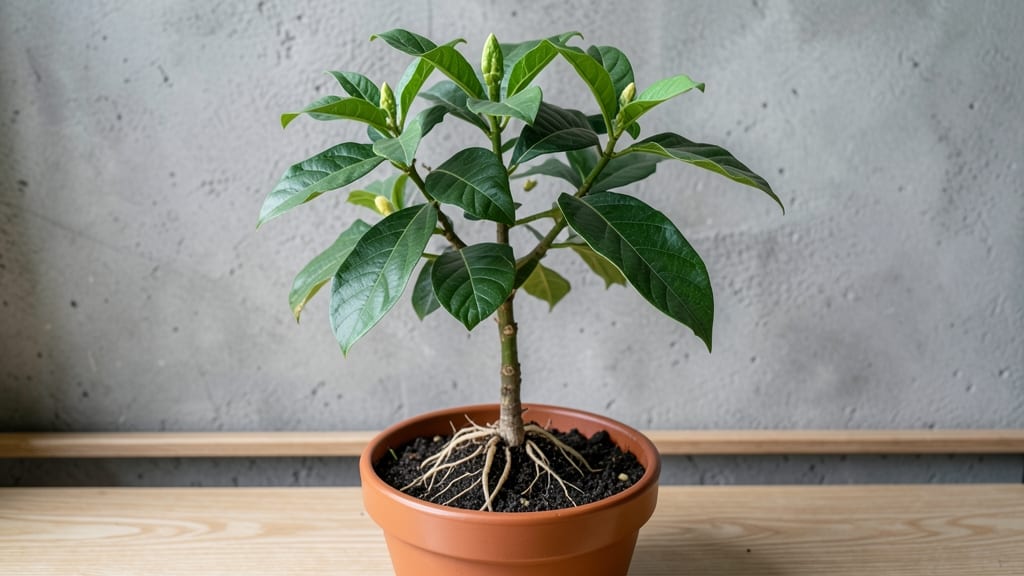
Your kitchen scrap could grow into a 20-foot avocado tree—if you know the right stages. 🌱 The journey from seed to sapling takes patience, but the transformation is worth every week of waiting.
I’ve watched mine go from a toothpick to a leafy bush, and I’ll walk you through each phase so you don’t miss a thing.
First, the seed sprouts in 2–6 weeks, sending out a single root and a tiny shoot. Then comes the 3–6 month phase where you’ll see real leaves—small, waxy, and bright green—while the root system expands like crazy.
By month 9, you’ll notice thicker stems and the first signs of a trunk forming, and that’s when the magic really starts.
By month 12, your seedling will need a bigger home—transplant it into soil and give it sunlight. With proper care, you’ll see new growth every 2–3 weeks, and within 2–3 years, you could have a tree that produces fruit (though it may take longer).
The key? Consistency in watering, light, and soil—never let it dry out or sit in soggy conditions.
This isn’t just a plant—it’s a long-term project. Every stage teaches you something new, from root development to leaf patterns. Stick with it, and you’ll have a thriving avocado tree that’s uniquely yours. Ready to get started?
📚 In This Guide
- What you need
- Instructions
- Tips and common mistakes
- Wrapping up and next steps
What you need
- ● 1 fresh avocado pit – Choose a seed from a ripe, organic avocado (like Hass or Fuerte varieties).
- ● Toothpicks (3-4) – For suspending the seed while it roots.
- ● Small glass or jar (16-20 oz) – With water to cover 1-2 inches of the seed.
- ● Water – Filtered or room-temperature tap water (avoid chlorine).
- ● Well-draining potting soil (1-2 gallons) – A mix of peat, perlite, and compost (60/30/10 ratio).
- ● 6-inch diameter pot with drainage holes – Terracotta or plastic (avoid overwatering).
- ● Spray bottle – For gentle misting during early growth.
- ● Grow lights or sunny windowsill (south-facing) – 6+ hours of indirect sunlight daily.
- ● Rooting hormone (to speed up germination).
- ● Humidity dome or plastic wrap (to retain moisture).
- ● Fertilizer (balanced 10-10-10, diluted to half-strength).
- ● Tall support stake (for when the tree reaches 12+ inches).
- ● pH testing kit (ideal soil pH: 6.0–7.0).
How to track avocado seed growth through each developmental stage
Watch your seedling transform from a tiny pit to a thriving sapling—here’s what to expect each month.
🌱 Month 1: Germination and First True Leaves
After planting your avocado pit with the seed-bearing end facing down, germination typically begins in 2-6 weeks, depending on warmth and humidity. You’ll know it’s working when a 1-2 inch sprout emerges from the top of the pit—this is the seedling’s first true leaf, though it may look more like a thick, waxy shield. Keep the soil consistently moist but never soggy, as overwatering at this stage can cause rot.
Place the jar or container in bright, indirect light (a south-facing window works well). Direct sunlight can scorch the delicate sprout, so if you see yellowing or wilting, move it back a few inches. This is also when the roots begin growing downward, so you’ll see a hair-like root emerging from the bottom of the pit—this is your signal to transition to a small pot with drainage.
🌿 Month 2: Root Development and First True Leaves
By week 6-8, your seedling will have 2-4 true leaves—these are the classic avocado-shaped leaves, not the initial shield-like cotyledons. This is the stage where roots become more established, so if you’ve been growing it in water, it’s time to plant it in a 4-inch pot with well-draining soil. Use a mix of potting soil and perlite to prevent compaction, which can suffocate roots.
You’ll notice the stem thickening and the leaves becoming darker green. This is when you can start fertilizing lightly with a balanced, water-soluble fertilizer (half-strength). Over-fertilizing now can burn the tender roots, so less is more. Watch for signs of stress—drooping leaves mean it’s thirsty, while yellowing suggests overwatering.
☀️ Month 3-4: Foliage Expansion and Light Needs
Between months 3 and 4, your avocado seedling will enter a growth spurt, with leaves reaching 3-5 inches long and new foliage appearing regularly. This is when you’ll need to gradually increase light exposure—move it to a bright, sunny spot (6+ hours of direct sunlight daily) or supplement with a grow light if natural light is insufficient. Leggy growth (thin stems with widely spaced leaves) means it’s stretching for light.
Repot into a 6-inch pot if roots are circling the drainage hole. Avocado trees grow slowly but steadily, so don’t rush the pot size—roots need room to expand. Prune any yellow or damaged leaves with sterilized scissors to encourage new growth. You’ll also start seeing small buds along the stem, which will develop into branches over time.
🪴 Month 5-6: Branching and Soil Care
By month 5, your seedling should have multiple branches forming, and the leaves will be 4-6 inches long with a glossy, mature appearance. This is the stage where you can train the growth habit—gently tie the main stem to a small stake if it’s becoming top-heavy. Avocado trees are tropical and enjoy humidity, so mist the leaves occasionally or place the pot on a tray of pebbles with water to increase moisture in the air.
Fertilize every 4-6 weeks with a balanced fertilizer (10-10-10 or similar) to support the new growth. Avoid heavy-handed feeding—avocado trees are sensitive to salt buildup in the soil. Water deeply when the top inch of soil feels dry, but ensure the pot has drainage to prevent root rot. You’ll also notice the bark starting to develop a slightly rough texture, a sign of maturation.
⏰ Month 7+: Pruning and Long-Term Care
After 6 months, your avocado seedling will resemble a miniature tree, with a woody stem and multiple branches. This is when you can start pruning to shape it—remove any crossing or inward-growing branches to encourage an open canopy. Prune just above a leaf node (the bump where leaves attach) to promote new growth. You’ll also see small flower buds forming in some varieties, though fruit production may take 3-5 years or longer.
Transition to a larger pot (8-10 inches) if the roots are densely packed. Avocado trees can grow 6-10 feet tall indoors, so plan for eventual repotting or outdoor planting in a warm climate. Keep the soil slightly acidic (pH 6.0-7.0) and monitor for pests like spider mites or scale, which thrive in dry conditions. With patience, your seedling will grow into a mature avocado tree—though fruit may not appear for years, the journey is rewarding.
Tips & tricks for avocado seed growth success
Here’s what nobody tells you about nurturing your avocado seedling through each stage—these insights will help you avoid common pitfalls and maximize growth potential.
Germination Patience: The 2-6 week germination window can feel like forever, but consistency is key. I’ve seen seedlings emerge in just 14 days with warm, humid conditions (75-80°F) and proper moisture—keep the soil damp like a wrung-out sponge, not soggy. If you notice mold or a foul smell after the 2-week mark, it’s time to start fresh with a new pit and container. The hair-like root appearing at the bottom is your cue to transition to soil, not a sign to rush the process.
Light Transition Strategy: During Months 3-4, when your seedling needs 6+ hours of direct sunlight, I recommend a gradual approach. Start by moving it closer to the window in 15-minute increments over 3-4 days to avoid leaf scorch. If you notice leaves curling or turning yellow, it’s a sign of too much direct sun—rotate the pot or use a sheer curtain to diffuse the light. A grow light on a timer (12-14 hours daily) works wonders if natural light is insufficient, especially in winter months.
Pot Size Precision: The 4-inch pot at Month 2 and 6-inch pot at Month 3-4 aren’t arbitrary—they’re designed to prevent root binding while avoiding unnecessary stress. When repotting, gently loosen the roots with your fingers before transferring to the new container. I’ve learned this the hard way: forcing a seedling into too large a pot too soon can lead to overwatering and root rot. Always check for roots circling the drainage hole before upgrading—this is your definitive signal for a larger pot.
Pruning with Purpose: When you start pruning at the 6-month mark, focus on creating an open canopy by removing branches that cross or grow inward. The goal is to improve airflow and sunlight penetration to the lower branches. I prune just above a leaf node using sterilized scissors (rubbing alcohol works for disinfection), which encourages new growth at that point. Never prune more than 25% of the foliage at once—this can shock the tree and set back its development.
Pro Tips for Avocado Seed Growing Stages
- Here’s what nobody tells you about nurturing your avocado seedling through each stage—these insights will help you avoid common pitfalls and maximize growth potential.
- Germination Patience: The 2-6 week germination window can feel like forever, but consistency is key.
- Light Transition Strategy: During Months 3-4, when your seedling needs 6+ hours of direct sunlight, I recommend a gradual approach.
Frequently asked questions
Got questions about growing an avocado tree from seed? You’re not alone! Here are some of the most common queries—plus clear, actionable answers to help you navigate each stage with confidence.
How long does it take for an avocado seed to sprout?
With patience and the right conditions (warmth, moisture, and consistent care), your avocado seed typically sprouts within 2–8 weeks. Some seeds germinate faster if pre-soaked, while others take longer—especially if the pit is old or dried out. Keep the toothpick setup in bright, indirect light and check weekly for tiny root or shoot growth!
Can I speed up the germination process?
Yes! While you can’t control the seed’s natural timeline, you can optimize conditions:
- Warmth: Place the jar near a sunny window or use a heat mat (70–80°F is ideal).
- Moisture: Keep the toothpicks damp (not soggy) by misting or adding water as needed.
- Aeration: Gently swirl the jar weekly to prevent mold and encourage airflow.
- Patience: Avoid peeling the seed or forcing it—rushing can damage the delicate root.
What if my avocado seed never sprouts? What’s the next step?
If your seed shows no signs of life after 8–10 weeks, it may be non-viable or too old. Don’t lose hope—try these troubleshooting steps:
- Check for rot (foul smell, mold) and start fresh with a new seed.
- Verify the seed is fresh (store-bought avocados last 1–2 weeks post-purchase).
- Try the “paper towel method” as a backup: wrap the seed in a damp towel and place it in a sealed bag until sprouts appear.
How do I know when to transplant my seedling?
Transplant your avocado seedling when it reaches 6–12 inches tall and has 2–3 sets of leaves. By this stage (usually 3–6 months in), the roots will have filled the jar, and the plant will need room to grow. Use a well-draining pot (6–8 inches wide) with a mix of potting soil and perlite. Water lightly after transplanting to reduce shock.
Will my homegrown avocado tree produce fruit?
While it’s possible, don’t expect fruit for 5–10 years—and even then, homegrown trees rarely produce edible avocados like grocery-store varieties. Most seed-grown trees are ornamental with large, inedible fruit. For fruit production, graft a cultivar (like Hass) onto your seedling or buy a young tree from a nursery. The good news? Your tree will still be a stunning, low-maintenance houseplant!
Wrapping up and next steps
Growing an avocado tree from seed is a rewarding journey that blends patience with the joy of nurturing life! 🌱 From sprouting roots to your first tiny leaves, each stage teaches you the magic of nature’s cycle.
Whether you’re a gardening pro or a curious beginner, your seedling’s progress is proof that even small efforts can yield big, leafy results.
Ready to take the next step? Plant your seedling in a pot with well-draining soil and give it a sunny spot—your future avocado tree will thank you! 🌿