
How To
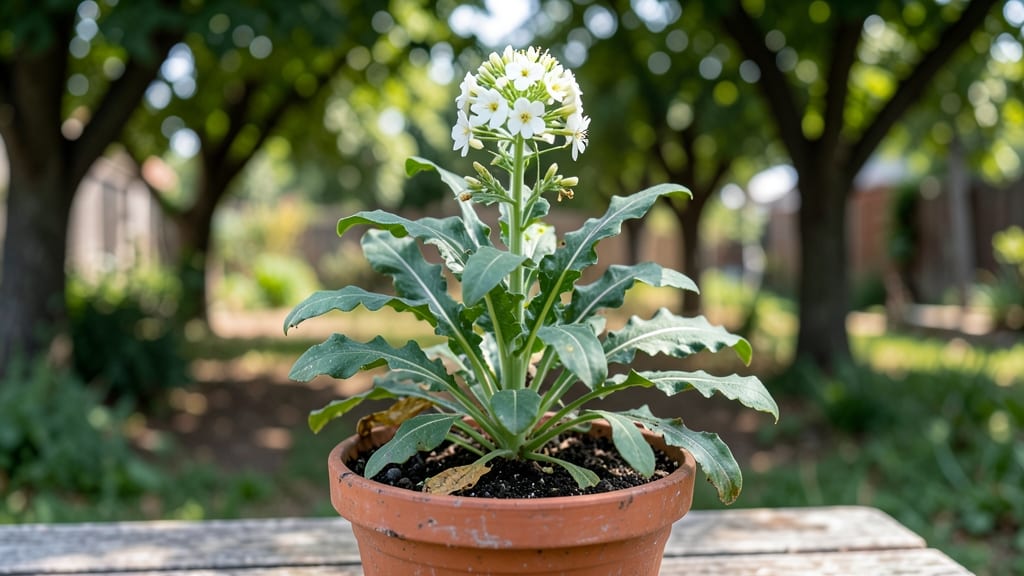
Instead of panicking when your arugula is going to seed, embrace the process—it’s the key to a thriving, homegrown harvest next spring. 🌱 I’ve turned my spring bolting disasters into a seed-saving goldmine by learning when to let plants flower and how to collect those tiny black seeds for future gardens.
Bolting happens when arugula senses warm weather or long days, triggering its natural life cycle. The leaves turn bitter and tough, but the plant is actually preparing to produce seeds.
If you’re growing for greens, this shift means harvest time is over—but if you’re saving seeds, it’s the most exciting part.
You can still extend your harvest by choosing heat-tolerant varieties like ‘Astro’ or ‘Sylvetta’ and harvesting outer leaves first. Once bolting starts, focus on seed collection: let a few plants flower, then dry the seed pods before they pop open. Those seeds will give you fresh starts next spring.
Bolting doesn’t ruin everything—it’s just arugula’s way of ensuring the next generation. With the right approach, you’ll get both a late-season harvest and a head start on planting for years to come.
What Triggers Seed Production
When your vibrant arugula starts stretching skyward and producing those telltale white flowers, it’s not just a sign of age—it’s a survival strategy. Arugula, like many leafy greens, is a cool-season annual that bolts (or goes to seed) as a response to environmental cues.
Understanding these triggers can help you intervene before your crop becomes a seed factory. Here’s why it happens:
Arugula is a short-day plant, meaning it’s sensitive to daylight length and temperature shifts. When days grow longer (typically in late spring or early summer) and temperatures rise above 70°F (21°C), it detects these changes as a signal to reproduce.
The plant shifts resources from leaf production to flower and seed development—a process called bolting.
- Daylength matters: Arugula bolts faster when exposed to 14+ hours of daylight, common in summer. If you’re growing in a greenhouse or under grow lights, extending light exposure can accelerate this.
- Heat stress: Soil temperatures above 75°F (24°C) can trigger bolting even without long days. The plant perceives heat as a threat to survival, prompting it to reproduce quickly.
- Actionable fix: If you’re in a warm climate, opt for bolting-resistant varieties like ‘Astro’ or ‘Salad Bowl’ and plant in fall or early spring to avoid peak heat.
Arugula has a finite lifespan for leaf production. Once it reaches 4–6 weeks of age, depending on the variety, it naturally begins the transition to flowering. This is especially true for open-pollinated varieties, which prioritize seed production over leaf growth as they mature.
- Signs of over-maturity:
- Leaves develop a bitter, peppery taste (a chemical defense mechanism as it prepares to bolt).
- Stems elongate and become woody or hollow.
- Lower leaves yellow and wilt while energy shifts upward.
- Actionable fix: Harvest outer leaves every 1–2 weeks to encourage bushier growth and delay bolting. For a continuous harvest, succession plant every 2–3 weeks.
Arugula is a moderate water user, and extreme moisture fluctuations send it into survival mode. Both drought stress and waterlogged soil can trigger bolting as the plant perceives instability.
| Stress Type | How It Triggers Bolting | Solution |
|---|---|---|
| Drought | When soil dries out, the plant conserves energy by shifting to reproductive growth. Roots may also struggle to absorb water, accelerating the process. | Keep soil consistently moist (1 inch of water per week) but not soggy. Mulch with straw or grass clippings to retain moisture. |
| Overwatering | Excess water depletes nutrients and oxygen in the soil, stressing the plant. Poor root health forces arugula to prioritize seed production for the next generation. | Ensure well-draining soil and avoid waterlogging. Use raised beds or containers if your garden retains too much moisture. |
When arugula plants compete for light, nutrients, and space, they enter a state of stress. Crowded conditions lead to etiolation (stretched, weak stems) and premature bolting as the plant stretches toward sunlight.
- Ideal spacing:
- Thin seedlings to 4–6 inches apart in rows spaced 12–18 inches apart.
- Use container gardening if space is limited (1 plant per 6-inch pot).
- Actionable fix: Prune lower leaves to improve airflow and reduce competition. If using shade cloth, ensure it blocks only 30–50% of light to avoid stressing the plants.
Arugula relies on a balance of nutrients, particularly nitrogen, for leafy growth. Disruptions in this balance can send it into reproductive mode.
- Low nitrogen: If the soil lacks nitrogen, the plant may interpret this as a lack of resources and bolt to produce seeds for the next cycle.
- Excess nitrogen: While rare, too much nitrogen (especially late in the season) can cause luxuriant growth followed by rapid bolting as the plant ages.
- Actionable fix:
- Test soil and amend with compost or a balanced fertilizer (10-10-10) before planting.
- Avoid high-nitrogen fertilizers like blood meal in the final 3–4 weeks of growth.
By recognizing these triggers, you can delay bolting and extend your arugula harvest—or even harvest seeds intentionally for next year’s crop. The key is timing, temperature control, and stress management.
Stop Bolting Before It Ruins Your Harvest
Arugula going to seed—also called bolting—can feel like a sudden betrayal after weeks of tender, peppery leaves. But with the right fixes, you can salvage your crop, save seeds for next season, and even prevent future heartbreak.
Here’s how to tackle the problem head-on, whether your plants are already flowering or you’re playing offense to avoid it next time.
Arugula is a cool-weather crop, and extreme temperatures (either too hot or too cold) trigger bolting. If your plants are sending up flower stalks prematurely, they’re likely reacting to stress.
How to Fix It:
- 🔥 Move to cooler spots – If your garden is baking under summer sun, provide afternoon shade with a row cover, shade cloth, or even a temporary pop-up tent.
- 🌡️ Extend the season – Plant new rounds of arugula every 2–3 weeks in early spring or fall to avoid the peak heat. Succession planting keeps you in the "sweet spot" of 50–65°F (10–18°C).
- 💡 Pro tip: If you’re in a hot climate, try ‘Astro’ or ‘Astro II’ varieties—they’re bred to bolt more slowly than standard types.
Prevent It Next Time:
- ⏰ Time your plantings – Avoid sowing arugula when daytime temps consistently exceed 75°F (24°C).
- 🥗 Use containers – Pots can be moved to shaded patios or basements (yes, really!) to delay bolting.
Arugula left in the ground too long will inevitably bolt. If your leaves are already tough and bitter, it’s time to act fast.
How to Fix It:
- 🍳 Harvest leaves aggressively – Cut outer leaves down to the base, leaving the center to regrow. This keeps the plant focused on leaf production instead of flowering.
- 🔪 Snip flower stalks – If you spot a bolt, cut it off at the base to redirect energy back to leaf growth. Repeat as needed—it’s tedious but effective!
- 🌱 Replant for a second flush – Once bolting starts, the leaves will turn bitter. Pull up the old plants and sow a new batch for fresh greens.
Prevent It Next Time:
- ⏰ Follow the 30-day rule – Arugula bolts fastest in 30–40 days. Plant in batches so you’re always harvesting young, tender leaves.
- 🎯 Succession sow every 10 days – Short intervals ensure a steady supply before bolting takes over.
Poor soil or uneven fertilizer can weaken arugula, making it more susceptible to bolting. If your plants look leggy or pale, they’re crying out for help.
How to Fix It:
- 💪 Boost nitrogen – A light application of compost, fish emulsion, or a balanced organic fertilizer (10-10-10) can revive struggling plants. Avoid high-phosphorus fertilizers—they encourage flowering.
- 🌱 Mulch to retain moisture – Dry soil stresses plants, speeding up bolting. Keep the soil consistently moist with straw or grass clippings.
- 🍽️ Harvest more frequently – Regular harvesting prevents overgrowth, which can lead to nutrient depletion.
Prevent It Next Time:
- 📊 Test your soil – Aim for a pH of 6.0–7.0 and rich organic matter. Amend with compost before planting.
- 🌡️ Avoid over-fertilizing – Too much nitrogen can cause rapid growth, which may also trigger bolting. Stick to moderate feeding.
Arugula is sensitive to daylight hours. Long summer days (14+ hours of light) can push it into bolting mode, even if temps are perfect.
How to Fix It:
- 🌅 Use shade cloth – 30–50% shade fabric can reduce light exposure, slowing bolting in hot climates.
- 🏡 Grow indoors – Place pots under grow lights on a 12-hour cycle to mimic shorter days and delay flowering.
- 🌱 Harvest seeds intentionally – If bolting is inevitable, let some plants flower to collect seeds for next year (more on this below!).
Prevent It Next Time:
- ✨ Choose bolt-resistant varieties – Look for ‘Salad Bowl’ or ‘Ruby Streaks’, which handle heat better than standard types.
- 🌍 Plan for seasons – In warm climates, treat arugula as a winter/early spring crop and switch to heat-tolerant greens (like Swiss chard) in summer.
If your arugula is bolting, don’t toss it—harvest those seeds! Here’s how:
- 🌼 Let flowers mature – Allow a few plants to fully flower and dry on the stalk.
- 🧤 Wear gloves – Arugula seeds can irritate skin.
Pinch off seed pods when they’re dry and brown. 3. 📦 Store seeds – Spread them on a tray to dry completely, then store in a cool, dark place for up to 3 years.
Final Thought: Bolting isn’t the end—it’s a sign to adjust, adapt, and even profit (via seeds!). With these fixes, you’ll enjoy crisp, peppery arugula for weeks and set yourself up for a bountiful next harvest. 🚀
Frequently asked questions
Why does my arugula turn bitter when it starts going to seed?
As arugula bolts, it produces glucosinolates, natural compounds that create that signature peppery bite. However, when bolting occurs, these compounds become more concentrated, making the leaves taste overly bitter. The plant is essentially shifting its energy from leaf production to seed development, which alters the flavor profile.
Can I still eat arugula after it starts flowering?
Yes, but with caution! The leaves closest to the stem will be the most bitter. Harvest only the outer, younger leaves and avoid the lower ones near the flower stalk. For best results, pick in the morning when flavors are mildest. If the entire plant is flowering, it's time to pull it and replant for fresh greens.
How do I know when arugula seeds are ready to harvest?
Wait until the seed pods turn brown and papery—they'll rattle when shaken. Gently pinch off the pods (wear gloves, as they can irritate skin) and spread them on a tray to dry completely. Once fully dry, the seeds will easily separate from the pods. Store them in a cool, dark place for up to 3 years.
Will harvesting seeds affect my current arugula crop?
Not at all! In fact, it's beneficial. Allowing a few plants to flower and set seed doesn't harm your main crop. The seed-producing plants will actually compete less for resources with your leafy plants. Plus, you'll have fresh seeds for next season's planting—it's a win-win situation for your garden.
What's the best way to prevent arugula from bolting in hot weather?
Choose heat-tolerant varieties like 'Astro' or 'Salad Bowl', and provide afternoon shade with 30-50% shade cloth. Keep soil consistently moist but well-draining, and harvest outer leaves regularly to encourage bushier growth. Plant in containers so you can move them to cooler spots when needed.