
Lawn
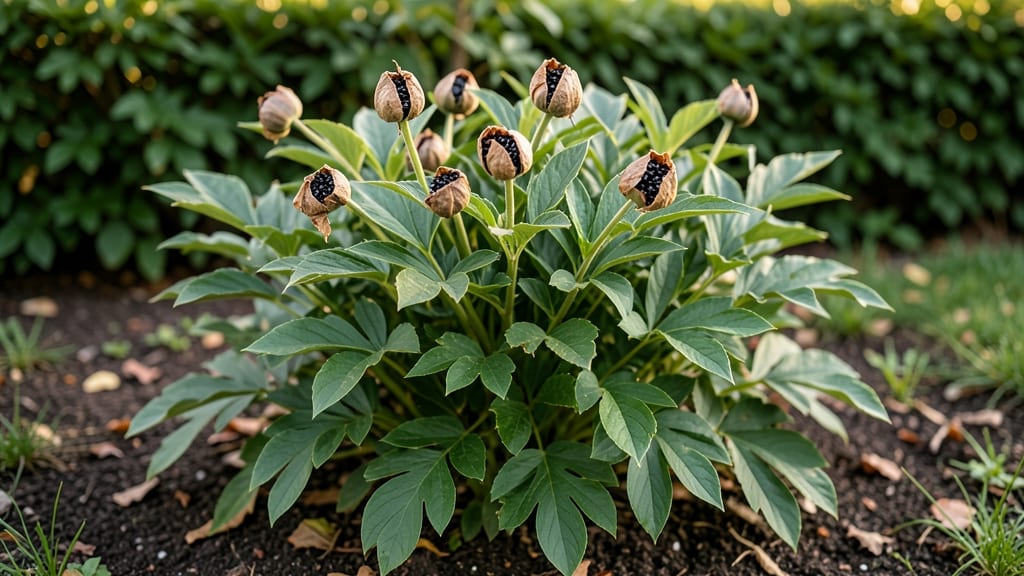
Peony seed pods hold the secret to growing new plants from scratch—no division, no digging, just patience and the right timing. 🌱 I’ve spent years watching these fuzzy, football-shaped pods ripen in my garden, and each one contains dozens of tiny seeds that could grow into next season’s blooms if handled correctly.
The key is knowing when to harvest—wait until the pods turn a dry, papery brown in late summer or early fall, then carefully snip them off the stems before they split open.
Inside, you’ll find flat, wrinkled seeds that need a cold period (stratification) to break dormancy, mimicking winter’s natural cycle. This process turns what looks like a gamble into a reliable way to expand your peony collection.
With the right storage and timing, you’ll see those first green shoots in early spring, though germination can be slow—sometimes taking months. The payoff? Plants that stay true to their parent’s beauty, often with surprising variations in petal colors.
It’s like unlocking a hidden treasure chest of peonies without the backbreaking work of division.
Perfect for gardeners who love a challenge or want to experiment with heirloom varieties. Here’s exactly how to turn those fuzzy pods into thriving seedlings—step by step, with all the shortcuts I’ve learned along the way.
📚 In This Guide
- What you need
- Instructions
- Tips and common mistakes
- Wrapping up and next steps
What you need
- ● Peony seed pods: Mature, dried pods (typically brown and papery) from healthy peony plants. Aim for at least 5-10 pods for reliable germination.
- ● Pruning shears or sharp scissors: Sterilized tools to carefully snip pods from the stems without damaging the plant.
- ● Paper bags or breathable mesh bags: Small, labeled bags (e.g., kraft paper or cotton mesh) to store pods while they dry further.
- ● Labeling tags or markers: To mark pods with the peony variety and harvest date (e.g., peony type + year).
- ● Drying tray or screen: A flat, elevated surface (like a wire rack or cardboard) to air-dry pods for 1-2 weeks in a dry, shaded spot.
- ● Plastic container with lid: Airtight storage (e.g., ziplock bag or small plastic bin) for long-term seed preservation.
- ○ Desiccant packets (optional but helpful): Silica gel or rice in a sock to absorb moisture inside storage containers.
- ● Garden journal: To log pod maturity, storage conditions, and germination notes.
- ● Spray bottle with water: For lightly misting pods if your climate is very dry during harvest.
- ● Fine-mesh sieve: To separate seeds from chaff if you plan to clean them before storage.
- ● Gloves: To protect your hands from potential irritation (some peony varieties have mild sap).
How to harvest and store peony seed pods for future blooms
Peony seed pods hold next year’s potential—here’s how to collect and preserve them properly.
🌱 Step 1: Identify and Locate Mature Seed Pods
Peony seed pods form after blooms fade, appearing as small, green, rounded structures at the base of spent flowers. Wait until they turn a deep brown color—this signals full maturity and readiness for harvest. I always check mine in late summer or early fall, around September, when pods feel firm to the touch.
Gently examine each pod to ensure it’s fully hardened. If it still feels slightly soft or green, leave it on the plant a few more days. Overripe pods may split open naturally, releasing seeds prematurely, so timing matters. Harvest pods when they’re dry but still intact—this ensures the best viability for storage.
✂️ Step 2: Harvest Pods at the Right Stage
Use clean, sharp pruning shears to snip the entire seed pod from the stem, leaving a small portion of the stem attached. This helps prevent damage to the pod itself. Place harvested pods in a paper bag—paper allows airflow, which prevents mold during storage.
Don’t wash the pods after harvesting. Any moisture can encourage rot, and peony seed pods are delicate. Instead, let them dry naturally in a cool, dry place, like a shaded porch or garage, for about 1-2 weeks. You’ll know they’re ready when the pods feel completely dry and papery to the touch.
🪴 Step 3: Store Pods Properly for Long-Term Viability
Once fully dry, transfer the pods to an airtight container lined with silica gel packets or a desiccant. I use a small glass jar with a tight-sealing lid to keep moisture out. Store the container in a cool, dark place—like a basement or refrigerator—where temperatures stay between 35-45°F.
Peony seeds can remain viable for 1-2 years when stored correctly. Check the pods occasionally for signs of moisture or mold. If you notice any dampness, transfer them to a new container with fresh desiccant immediately. Proper storage ensures the highest germination rates when you’re ready to sow.
🌿 Step 4: Prepare Pods for Sowing Next Season
In early spring, remove the pods from storage and let them sit at room temperature for 24 hours to acclimate. Use a small knife or scissors to carefully open the dried pods and extract the seeds inside. Peony seeds are tiny and flat, often resembling small, dark brown beans.
Sow the seeds directly into well-draining soil in a sunny location. Peonies thrive in full sun and prefer slightly alkaline soil. Plant seeds about ½ inch deep and keep the soil consistently moist but not soggy. Germination can take several weeks to months, so patience is key—don’t disturb the soil until you see signs of new growth.
Tips & tricks for perfect peony seed pod preservation
Here's what nobody tells you about keeping those precious seed pods viable for next season's blooms.
Timing is Everything: The 24-hour acclimation period before sowing is non-negotiable. This gradual temperature adjustment prevents shock to the delicate seeds. I place my pods on a windowsill overnight where they can experience natural light cycles, which seems to help jumpstart germination. The key is consistency—don't rush this step, even if you're eager to plant.
Harvesting Secret: When harvesting in Step 2, I always leave that small stem attachment—it's not just about preventing damage, but also about maintaining the pod's natural moisture balance during the crucial drying period. Think of it like a natural wick that helps regulate drying without creating hot spots. And for the love of peonies, never harvest on a rainy day—those pods will take forever to dry properly.
Storage Wisdom: That 35-45°F temperature range in Step 3 is your golden window. I keep mine in my refrigerator's crisper drawer where it stays consistently cool and dark. Pro tip: Place a small piece of chalk in your storage container—it absorbs any residual moisture better than silica gel packets alone. I check my pods every 3 months, rotating the container to ensure even exposure to the desiccant.
Sowing Strategy: For Step 4, I've found that planting seeds in small pots first gives them a better chance to establish before transplanting. The ½-inch depth is perfect for peony seeds—any deeper and they won't have enough light to germinate. I mark each pot with the date and variety if I'm mixing types, because peony germination rates can vary dramatically between varieties.
Pro Tips for Peony Seed Pods
- Here's what nobody tells you about keeping those precious seed pods viable for next season's blooms.
- Timing is Everything: The 24-hour acclimation period before sowing is non-negotiable.
- Think of it like a natural wick that helps regulate drying without creating hot spots.
Frequently asked questions
Got questions about peony seed pods?
Here are the most common ones—plus clear, practical answers to help you master harvesting, storing, and troubleshooting these delicate blooms.
When should I harvest peony seed pods?
Harvest peony seed pods when they turn tan or light brown and begin to split open naturally—usually 6–8 weeks after flowering (late summer to early fall). Avoid harvesting too early; immature pods won’t store well. Wait until they’re dry but not brittle to ensure viability.
How do I store peony seed pods for planting next year?
Store harvested pods in a paper bag or envelope (not plastic) in a cool, dry place (like a fridge or basement) until spring. Label them with the variety and date! Seeds remain viable for 1–2 years if kept dry. Pro tip: Add a silica gel packet to prevent moisture buildup.
Can I plant peony seeds directly from the pod?
Yes, but germination is slow and unpredictable—often taking 1–2 years to sprout. For faster results, stratify seeds (mix with damp sand, refrigerate for 3–4 months), then sow in well-draining soil. Alternatively, divide mature peony roots in early fall for guaranteed blooms!
Why aren’t my peony seed pods opening or producing seeds?
Pods may fail to open or produce seeds due to lack of pollination, disease (like botrytis), or overly wet conditions. Hand-pollinate with a soft brush if bees are scarce, or ensure good airflow. If pods shrivel prematurely, check for pests (like aphids) or fungal spots—treat with neem oil if needed.
Are peony seed pods edible or useful for anything else?
While not edible, dried peony seed pods add rustic texture to floral arrangements or crafts. Some gardeners use them in dried bouquets or as natural fillers for potpourri. Just ensure they’re fully dry and pest-free before use!
Wrapping up and next steps
Peony seed pods offer a rewarding way to propagate these stunning perennials for future blooms—just remember patience and precision are key! 🌱 Whether you’re drying pods for storage, planting fresh seeds, or troubleshooting common challenges, each step brings you closer to a garden bursting with vibrant peonies.
Ready to take the next step? Start small with just a few pods this season, and soon you’ll be sharing your homegrown peony treasures with fellow gardeners!
Next up:
- 📅 Mark your calendar for next year’s planting season—peony seeds need time to mature!
- 🌿 Experiment with different varieties to discover your garden’s favorites.
- 📸 Document your journey—capture the transformation from seed to bloom!