
Lawn
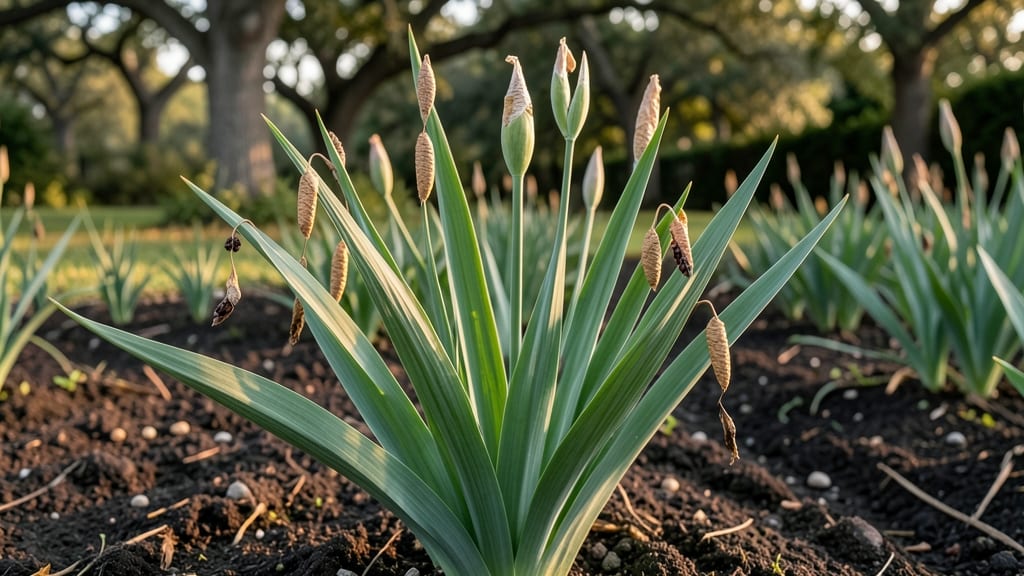
Harvesting Louisiana iris seed pods before they twist is the secret to next year's boldest blooms. 🌿 These unique pods—longer and more slender than common irises—need careful timing and a gentle touch to preserve their seeds. One wrong move, and you'll lose the chance to grow your own vibrant clumps.
The best time to collect pods is when they're firm but slightly soft, usually 4-6 weeks after blooming, before they start to curl. Louisiana irises thrive in our humid climate, so keep newly harvested pods in a cool, dry place until you can process them—typically within a week.
Once opened, you'll find flat, dark seeds that look nothing like the showy blooms they'll produce. Plant them 1/4-inch deep in a mix of sandy loam and perlite for quick drainage, then keep the soil barely moist.
Germination can take 3-6 months, but patience pays off with plants that mature faster than nursery-bought irises. Don't let the long wait discourage you—these seeds grow into hardier plants that handle Louisiana's heat and humidity better than many hybrids.
With the right care, you'll have self-sown irises popping up in your garden within 2-3 years.
📚 In This Guide
- What you need
- Instructions
- Tips and common mistakes
- Wrapping up and next steps
What you need
- ● Louisiana iris plants: Mature, healthy plants (3+ years old) with seed pods forming after blooming.
- ● Pruning shears or sharp scissors: Sterilized (70% isopropyl alcohol wipe) to prevent disease spread.
- ● Paper bags or breathable mesh sacks: 2–3 per plant (brown paper bags work great for airflow).
- ● Permanent marker or labels: To mark seed pods by variety/date (e.g., "Louisiana Iris ‘Blue Moon’ – June 2024").
- ○ Glove: Optional but recommended—thorny seed pods can be prickly!
- ● Drying tray or screen: Elevated surface (e.g., hardware cloth over a table) for seed pod drying.
- ● Small sieve or fine mesh strainer: For separating seeds from chaff later.
- ● Desiccant packets: Place 1–2 in paper bags to speed up drying (if humidity is high).
- ● Seed storage containers: Airtight jars or envelopes with silica gel packets for long-term seed viability.
- ● Camera or notebook: To document pod maturity stages for future reference.
- ● Twine or rubber bands: To secure seed pods to labels if they’re loose.
Step-by-step guide to harvesting Louisiana iris seed pods
Here’s how to collect and process iris seed pods without damaging your plants or next year’s blooms.
🌱 Step 1: Identify and Locate Mature Seed Pods
Louisiana iris seed pods form after blooms fade, appearing as elongated, green capsules that swell over 4-6 weeks. Look for pods that feel firm when gently squeezed—they should resist slight pressure but not be rock-hard. Avoid harvesting pods that are still soft or show signs of browning, as these won’t contain viable seeds.
Pods typically grow 6-12 inches above the soil on the current year’s growth. Use a small hand trowel to gently lift the foliage and expose them. I like to harvest on a cloudy day—less direct sun reduces stress on the plant. If pods are tangled in leaves, snip the foliage with clean pruning shears to avoid damaging the stems.
✂️ Step 2: Harvest Pods at Peak Ripeness
Timing is critical: harvest pods when they turn tan or light brown but before they split open naturally. Overripe pods release seeds prematurely, and underripe ones won’t contain developed embryos. To test ripeness, tap a pod gently—if it rattles slightly, it’s ready. Use sharp pruning shears to cut the pod ½ inch above the base, leaving a small stem to prevent rot.
Place harvested pods in a paper bag (not plastic) to allow airflow. Store them in a cool, dry place (60-70°F) until processing. If pods dry too quickly, seeds may not germinate. I’ve found that harvesting in the early morning preserves moisture and extends pod freshness for up to 2 weeks before processing.
🪴 Step 3: Extract Seeds and Prepare for Storage
Once pods are fully dried (they’ll turn brittle), gently crush them with your fingers over a clean sheet of paper. Louisiana iris seeds are flat and dark brown, about ¼ inch long. Discard any seeds that are shriveled or discolored—these won’t sprout. I sift the debris through a fine mesh screen to separate seeds from chaff, ensuring only the best-quality seeds proceed to storage.
Store seeds in an airtight container with a silica gel packet to absorb moisture. Label the container with the harvest date and iris variety. Seeds remain viable for 1-2 years if stored properly. Avoid refrigeration unless your climate exceeds 80°F—humidity is the enemy of long-term seed storage.
🌿 Step 4: Plant Seeds for Next Season’s Growth
Sow Louisiana iris seeds in early spring, just as new growth emerges from the ground. Scatter seeds ¼ inch deep in a well-draining mix (equal parts potting soil and perlite). Keep the soil consistently moist but not soggy—iris seeds need constant humidity to germinate, which can take 4-8 weeks. A clear plastic dome or plastic wrap over the tray helps maintain moisture without suffocating the seeds.
Once seedlings develop 2-3 true leaves, transplant them to individual pots. Louisiana irises grow slowly, so don’t rush—wait until fall to move them to their permanent location. They’ll bloom in 3-4 years, but patience pays off with hardy, disease-resistant plants that thrive in Louisiana’s heat and humidity.
⏰ Step 5: Monitor and Maintain Seedlings
Young iris seedlings need partial shade for the first year to prevent leaf scorch. Gradually acclimate them to morning sun over 2-3 weeks before exposing them to full sun. Water deeply once a week, allowing the top 2 inches of soil to dry between waterings. Overwatering causes root rot, which is fatal for irises.
Fertilize lightly in spring with a balanced 10-10-10 formula—too much nitrogen promotes leafy growth at the expense of blooms. By their third year, seedlings will develop the classic sword-like foliage of Louisiana irises. Watch for yellowing leaves as a sign of overwatering or nutrient deficiency, and adjust care accordingly.
Tips & tricks for perfect Louisiana iris seed pod harvesting
Harvesting Louisiana iris seed pods successfully means paying attention to subtle details that make all the difference between viable seeds and wasted effort.
Timing is Everything: The 4-6 week window for pod development is critical—don't rush it! I've learned the hard way that pods harvested too early won't contain developed embryos, while those left too long may split open naturally. Watch for that slight rattle when tapped gently; it's your cue that the seeds inside are ready for collection. Harvesting in the early morning preserves moisture, giving you up to 2 weeks of freshness before processing.
Equipment Matters: Sharp pruning shears are non-negotiable for clean cuts that leave a small stem to prevent rot. I've found that using a small hand trowel to gently lift foliage exposes pods without damaging stems—this is especially important for Louisiana irises, which are more delicate than their northern counterparts. For tangled pods, clean pruning shears work better than scissors to avoid shredding leaves.
Storage Wisdom: The cool, dry 60-70°F storage conditions are crucial for maintaining seed viability. I always use paper bags for airflow and add silica gel packets to airtight containers—this prevents the humidity that would otherwise ruin your harvest. Labeling containers with harvest dates helps track seed age, which affects germination rates over those 1-2 years of viability.
Visual Cues for Success: When crushing dried pods, look for flat, dark brown seeds about ¼ inch long—they should feel firm, not shriveled. I sift through a fine mesh screen to remove chaff, which helps identify the good seeds more easily. For germination, maintain constant moisture under a plastic dome—you'll know you're on track when you see those first tiny sprouts after 4-8 weeks.
Pro Tips for Louisiana Iris Seed Pods
- Harvesting Louisiana iris seed pods successfully means paying attention to subtle details that make all the difference between viable seeds and wasted effort.
- Timing is Everything: The 4-6 week window for pod development is critical—don't rush it!
- Equipment Matters: Sharp pruning shears are non-negotiable for clean cuts that leave a small stem to prevent rot.
Frequently asked questions
Got questions about harvesting and saving Louisiana iris seed pods? You're not alone! Here are some of the most common queries—and their answers—to help you grow next year’s stunning blooms with ease.
When is the best time to harvest Louisiana iris seed pods?
Harvest seed pods when they turn light brown and begin to dry but before they split open (usually late summer to early fall). If left too long, the seeds scatter, making collection tricky. Aim for a crisp morning after dew has dried for easier handling.
How do I know if the seed pods are mature enough to collect?
Mature pods feel papery and hollow when gently squeezed. If they’re still green or firm, they need more time. Look for slightly curled edges—a sign they’re ready. Avoid pods with visible cracks or seeds spilling out.
Can I save Louisiana iris seeds from store-bought flowers?
Unfortunately, no—store-bought irises are often hybrids or sterile varieties. For reliable seeds, use pods from named Louisiana iris cultivars grown in your garden. Check with local iris societies for seed-swap opportunities!
What should I do if my seed pods rot or mold before harvesting?
Overly humid or rainy conditions can cause rot. Prevent this by spacing plants for airflow and harvesting early. If pods mold, discard them—moldy seeds won’t germinate. For future crops, prune foliage after blooming to reduce moisture retention.
How do I store Louisiana iris seeds until planting?
Place dry, clean seeds in a paper envelope (not plastic) and store in a cool, dark, dry place (like a seed vault or fridge). Label with the variety and date! Seeds stay viable for 1–2 years if kept dry.
Still curious? Drop your questions in the comments—we’re happy to help!
Wrapping up and next steps
Harvesting Louisiana iris seed pods is a rewarding way to ensure next year’s vibrant blooms—without the frustration of tangled vines! 🌿 With the right tools, timing, and technique, you’ll collect viable seeds effortlessly.
Whether you’re a seasoned gardener or just starting, this process connects you deeper to your garden’s natural cycle.
Ready to grow your own irises? Start by marking your calendar for late summer or early fall, gather your supplies, and dive in. Your future garden—and its stunning flowers—will thank you!