
Lawn
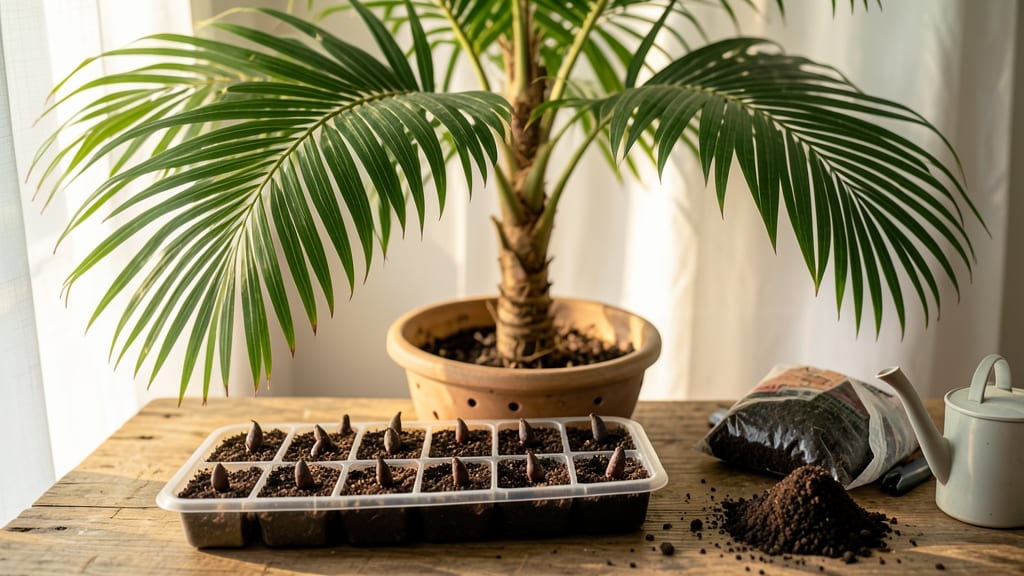
Growing an areca palm from seed is like nurturing a tiny tropical miracle in your living room. 🌱 The key to success starts with warm soil, patience, and understanding that these seeds need cozy conditions to break dormancy—think of them as hibernating in their own little world.
My first attempt took three months just to see the first green shoot, but once it happened, there was no stopping the excitement.
You'll need a small pot with well-draining soil mix (equal parts peat moss and perlite works wonders), a plastic bag to create humidity, and a warm spot—ideally between 75-85°F. The seed itself should be soaked overnight before planting about an inch deep.
Most people rush this step, but cold-stressed roots are the #1 reason seeds fail to germinate. Think of it like giving your seed a spa day before the big growth spurt.
Once sprouted, keep the soil consistently moist (not soggy) and place it under bright, indirect light. You'll start seeing real growth in 4-6 weeks, with the first fronds unfurling like delicate fans.
The tricky part is avoiding drafts—areca palms hate temperature swings, so keep it away from AC vents or cold windows. With proper care, you could have a 3-foot plant in 2-3 years, though full maturity takes a decade.
Indoor growers should rotate the pot every few weeks for even light exposure, while outdoor plants (in zones 10-11) can eventually transition to partial shade. The real payoff? A lush, air-purifying jungle plant that thrives where most palms would struggle. Here's where the magic begins—let's get those seeds sprouting!
📚 In This Guide
- What you need
- Instructions
- Tips and common mistakes
- Wrapping up and next steps
What you need
- ● Ready to grow your own Areca Palm (Dypsis lutescens) from seed? Here’s everything you’ll need to get started—whether you’re a seasoned plant parent or a curious beginner! 🌱
- ● Pro Tip: 💡 If your seeds are hard-coated, lightly sand the outer layer with fine-grit sandpaper to encourage faster germination!
Step-by-step instructions for germinating areca palm seeds
Here's how I've learned to coax these tricky seeds into sprouting strong, cold-resistant roots.
🌱 Step 1: Pre-Soak Seeds for Maximum Germination
Fill a small bowl with lukewarm water (not hot) and add your areca palm seeds. Let them soak for 24-48 hours—this softens the tough outer shell and kickstarts germination. I like to change the water halfway through the soak to prevent stagnation.
After soaking, gently rub the seeds between your fingers to break any remaining hardness. You'll know they're ready when the outer coating feels slightly rough but gives way under light pressure. This step is crucial because areca palm seeds have one of the hardest shells in the palm family.
💧 Step 2: Prepare the Germination Medium
Fill a shallow container with a mix of 50% peat moss and 50% perlite—this lightweight combination prevents rot while holding moisture. Moisten the mix until it's damp but not soggy, then press it down lightly. You want the surface to feel like a wrung-out sponge.
Plant the soaked seeds ½ inch deep, spacing them about 2 inches apart. I use a small spoon to make individual holes—this keeps them organized and prevents overcrowding. Cover the container with plastic wrap to create a mini greenhouse effect, which keeps humidity high and speeds up germination.
☀️ Step 3: Provide Warmth and Indirect Light
Place your seed container in a warm spot, ideally between 75-85°F. A seedling heat mat set to 80°F works wonders, but even a sunny windowsill near a south-facing wall can work if your home stays warm. Avoid direct sunlight at this stage—it can dry out the medium too quickly.
Check the soil moisture daily by sticking your finger in about 1 inch deep. If it feels dry, mist the surface lightly with water. You'll see condensation on the plastic wrap—this is normal and indicates good humidity. Germination typically takes 4-8 weeks, so patience is key here.
🌿 Step 4: Transplant Sprouted Seedlings
Once seedlings emerge with 2-3 inches of stem and a few small leaves, it's time to transplant. Gently remove the plastic wrap and loosen the root ball with a small fork. Handle the seedlings carefully—they're delicate at this stage.
Repot them into individual 4-inch pots filled with a mix of 60% potting soil, 20% perlite, and 20% coconut coir. Water lightly after transplanting, then place them in bright, indirect light. This airy mix prevents root rot while allowing proper drainage—critical for areca palms.
⏰ Step 5: Harden Off and Acclimate Young Plants
After 2-3 weeks in their new pots, start hardening off your seedlings. Move them outside for 1-2 hours daily in a shaded spot, gradually increasing their time outdoors over 10 days. This helps them adjust to temperature fluctuations and prevents shock when they eventually move to a permanent location.
Watch for new growth—this is your signal that the plants are adapting well. Once they've spent a full day outside without wilting, they're ready for their forever home. I always place mine near a bright window with filtered light to mimic their tropical origins.
Tips & tricks for germinating areca palm seeds
Here's what nobody tells you about growing these stubborn tropical beauties—tricks that'll make all the difference.
The Soak Test: After your 24-48 hour soak, test readiness by pressing a seed between your fingers. It should feel slightly rough but give way easily—like pressing a ripe avocado pit. If it's still hard as a rock, soak another 12 hours. Over-soaking (beyond 48 hours) can cause the seed to absorb too much water and split, so check daily after the initial 24 hours.
Medium Consistency Matters: When mixing your 50% peat moss and 50% perlite, squeeze a handful—it should hold together when pressed but not drip water. Too much moisture leads to rot, while too little prevents germination. Think "wrung-out sponge" consistency. I like to add a pinch of cinnamon (½ teaspoon) to the medium to deter fungal growth without harming seeds.
Temperature Troubleshooting: If your home stays below 75°F, create warmth with a simple DIY solution: Place your seed container on top of a refrigerator (not inside) or use a heating pad on low under the container. The goal is consistent 80°F warmth—just enough to mimic tropical conditions without overheating. A thermometer near the container helps monitor this critical range.
Transplant Timing Secret: Wait until seedlings reach exactly 2-3 inches with 2-3 leaves before transplanting—this size ensures they have enough energy reserves for the shock. I use a butter knife to gently loosen the roots rather than pulling, which minimizes damage. The 4-inch pots should have drainage holes to prevent waterlogging, which areca palms hate.
Pro Tips for Areca Palm Seed
- Here's what nobody tells you about growing these stubborn tropical beauties—tricks that'll make all the difference.
- The Soak Test: After your 24-48 hour soak, test readiness by pressing a seed between your fingers.
- Medium Consistency Matters: When mixing your 50% peat moss and 50% perlite, squeeze a handful—it should hold together when pressed but not drip water.
Frequently asked questions
Got questions about growing areca palm seeds? You’re not alone! Here are some of the most common concerns—plus straightforward answers to help you nurture your tropical dream plant with confidence.
How long does it take for an areca palm seed to germinate?
Germination can take anywhere from 4 to 12 weeks, depending on warmth, moisture, and seed freshness. Keep the soil consistently damp (not soggy) and maintain temperatures between 70–85°F (21–29°C). Patience is key—some seeds surprise you with sprouts in just 2 weeks, while others play hard to get!
Why isn’t my areca palm seed sprouting? Troubleshooting tips.
If your seed isn’t germinating after 3 months, try these fixes:
- Check moisture: Overwatering can rot seeds; underwatering stalls growth. Aim for consistently damp (like a wrung-out sponge).
- Test warmth: Use a seedling heat mat if your home runs cool. Areca palms love warmth—think cozy greenhouse vibes!
- Verify viability: Soak the seed in warm water overnight. If it sinks, it’s likely viable. If it floats, it’s time to try a fresh seed.
- Patience: Some seeds need light to germinate—place the pot near a bright (indirect) window after 4 weeks if no sprouts appear.
Can I grow an areca palm from a seed bought online?
Online seeds are a great (and budget-friendly) option, but freshness matters. Look for seeds harvested within the last 6 months—they germinate far better. Store-bought seeds often include pre-sprouted or soaked varieties, which cut wait times. Just avoid seeds labeled “ornamental” or “decorative”—these are usually sterile!
How cold can areca palm seeds handle before they die?
Areca palm seeds are tropical and hate cold. Temperatures below 50°F (10°C) can stunt germination or kill the seed. If you’re in a chilly climate, start seeds indoors near a heat source (like a sunny windowsill or grow light). Once sprouted, keep seedlings above 60°F (15°C) at all times.
What’s a faster alternative to growing from seed?
If you’re eager for an areca palm without the wait, consider:
- Young nursery plants: Look for 3–5 foot areca palms (Dypsis lutescens) at garden centers. They’re pricier but grow instantly!
- Division from mature plants: If you know someone with an areca palm, ask if they can split a clump—just ensure the division has roots!
- Pre-sprouted seeds: Some sellers offer seeds that’ve already started germinating—check reviews for speedy results.
Wrapping up and next steps
Growing an areca palm seed into a thriving indoor plant is a rewarding journey that brings a touch of the tropics into your home! 🌿 With patience, the right tools, and a little care—especially during those tricky cold-stressed root phases—you’ll soon enjoy lush, vibrant foliage that purifies the air and elevates your space.
Whether you’re a seasoned gardener or a beginner, this guide has given you all the insights to succeed.
Ready to take the next step? Start with a single seed today and watch your indoor jungle flourish—one leaf at a time! 🌱