
Lawn
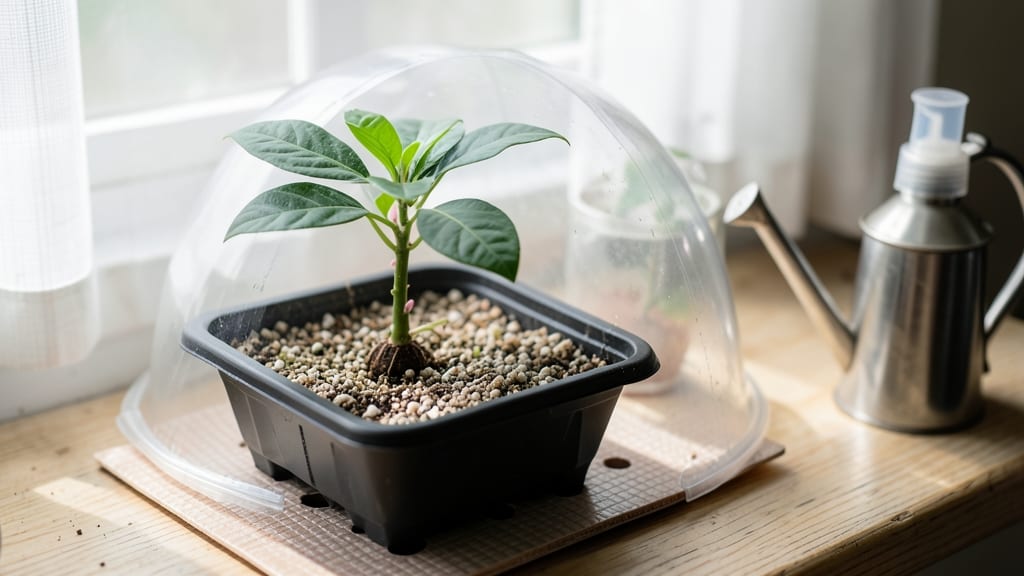
Growing a mango tree from seed in NYC isn't as wild as it sounds—my kitchen countertop now hosts a thriving 3-foot sapling that started as a pit from last summer's grocery store mango. 🌱 The key isn't tropical magic but understanding how to coax that seed through germination and early growth before NYC's winters even think about showing up.
You'll need patience (4-6 weeks for germination) and a sunny windowsill or grow light, since mango seeds crave warmth—think 70-80°F consistently. The real trick is keeping that seed moist but not soggy during germination, then transitioning it to soil once the first leaves appear.
Most people rush this step and end up with leggy, weak seedlings that never recover. By summer, your seedling will be ready for outdoor adventures—though don't expect fruit anytime soon. Mango trees grown from seed take 5-10 years to bear fruit, and NYC's winters will kill it without protection.
That means overwintering indoors or moving it to a greenhouse when temperatures dip below 40°F. The payoff? A living piece of tropical paradise that thrives in your urban jungle. Here's the game-changer: source your seeds from ripe, organic mangoes (avoid store-bought ones treated to prevent sprouting).
Local nurseries like The Plant in Brooklyn sometimes carry mango seedlings too—just don't expect them to fruit indoors. This is about the journey, not the harvest."
📚 In This Guide
- What you need
- Instructions
- Tips and common mistakes
- Wrapping up and next steps
What you need
- ● 1-3 fresh mango seeds (preferably from a ripe, organic mango—ask your local NYC market or farmer’s stand!)
- ● Small seedling pots (3-4 inches in diameter) – 2-3 pots (one for germination, one for transplanting)
- ● Well-draining potting mix – 1 bag (1-2 cubic feet) (look for a blend with perlite or coconut coir)
- ● Spray bottle (8 oz or larger) – For gentle watering
- ● Plastic wrap or clear dome lid – To create a mini greenhouse effect
- ● Small plate or saucer – For drainage
- ● Toothpicks or skewers (2-3) – To prop open the seed for faster germination
- ● Grow light or sunny windowsill (south-facing) – 6+ hours of indirect light daily
- ● Humidity tray or pebble tray – Keeps moisture levels ideal for tropical seeds
- ● Fertilizer (balanced, water-soluble) – Diluted to half-strength (start after 4-6 weeks)
- ● Larger pot (10+ inches) – For transplanting once roots establish (after ~3 months)
- ● Patience! – Mango trees take 3-5 years to bear fruit indoors (but the journey is half the fun!)
- ● Consistent care routine – NYC’s dry winters mean extra attention to humidity and light
- ● Space for growth – Even as a houseplant, mango trees can reach 6-10 feet tall—plan your spot!
Step-by-step instructions for growing a mango tree from seed in NYC
Here's the simple method I've used to get mango seedlings thriving in my Brooklyn apartment—no greenhouse needed.
🌱 Step 1: Extract and Prepare the Seed
Start with a fresh, organic mango—ripe but not mushy. Cut the fruit in half and scoop out the seed, being careful not to damage the brown shell. Rinse off any remaining fruit pulp and let it dry completely for 24 hours on a paper towel. This prevents mold, which is especially important in NYC's humid summers.
Once dry, place the seed between two paper towels and fold them over. Soak the towels with lukewarm water until damp (not soaking wet) and seal the package in a plastic bag. Store it in a warm spot—75-80°F works best. Check daily and mist with water if the towels dry out. You'll see a tiny white root emerge in 7-14 days. This is your signal to move to soil.
🪴 Step 2: Pot Up the Germinated Seed
Use a 4-inch diameter pot with drainage holes—terracotta works great for airflow. Fill it with a mix of 50% potting soil and 50% perlite (this prevents root rot in NYC's damp air). Plant the seed 1 inch deep, with the root pointing downward and the pointed end upward. Gently press the soil around it, but don't pack it down too firmly.
Place the pot in a bright, indirect light spot—no direct sun yet. Keep the soil consistently moist but not soggy. A spray bottle works best for gentle watering. In 2-3 weeks, you'll see the first true leaves appear. This is when the real growth begins, and you can gradually introduce 2-3 hours of morning sun daily to strengthen the seedling.
☀️ Step 3: Transition to Sunlight and Larger Pot
Once the seedling reaches 6 inches tall (usually after 8-12 weeks), it's time to move it to a 6-inch pot with fresh potting mix. Choose a spot with 4-6 hours of direct sunlight—a south-facing window or balcony is ideal in NYC. If your space lacks natural light, supplement with a grow light for 12-14 hours daily. Without enough light, the stem will stretch and weaken.
Water when the top inch of soil feels dry—stick your finger in to check. Overwatering is the #1 killer of young mango seedlings, so always empty the saucer after watering. Fertilize lightly with a balanced liquid fertilizer (10-10-10) every 4 weeks starting at 3 months old. You'll notice new leaves forming more frequently, and the stem will thicken noticeably.
⏰ Step 4: Overwintering for Long-Term Growth
NYC winters are tough on tropical plants, so bring your mango seedling indoors before temperatures drop below 50°F. Place it near a south-facing window or under grow lights. Reduce watering to once every 2 weeks—the plant will grow slower, but this is normal. If you notice yellowing leaves, it's likely from too much water or low light, not cold.
In spring, move the plant back outside gradually, increasing sunlight exposure over 1-2 weeks. Repot into a 1-gallon container if roots are circling the pot. With patience, your seedling will reach 3-4 feet tall in its first year. Just remember: fruit production takes 5-7 years, but the journey is half the fun—and a great conversation starter for your NYC neighbors!
Tips & tricks for growing a mango tree from seed in NYC
Real talk: Growing a mango tree from seed in NYC's unpredictable climate takes patience, but these tricks will help you avoid the most common pitfalls—and maybe even get fruit someday.
Seedling Survival: The 24-hour drying period isn't just about preventing mold—it's about breaking the seed's dormancy. I learned this the hard way after watching three seeds rot in my humid bathroom. Place your seed on a wire rack over a plate to allow airflow on all sides. If you're impatient and see a tiny root in just 7 days, don't rush to plant it—wait for the full 14 days to ensure a stronger root system before transferring to soil.
Lighting Strategy: NYC apartments rarely get enough natural light, so here's what I do: After the initial 2-3 weeks of indirect light, I place my seedling under a simple LED grow light for 12 hours daily. The key is positioning it about 6 inches away from the bulb—closer for weaker seedlings, farther for stronger ones. If you don't have a grow light, rotate your pot daily to prevent lopsided growth from uneven window light.
Temperature Troubleshooting: Maintaining that 75-80°F range during germination can be tricky in summer apartments. I use a small, battery-operated fan set to low speed aimed at the seedling—it creates just enough airflow to prevent overheating while keeping humidity up. In winter, place your seedling near a south-facing window but avoid cold drafts from open windows or AC vents.
Winter Care: That 50°F threshold isn't just arbitrary—it's when mango seedlings start showing cold stress. I bring mine indoors to a sunroom where temps stay between 60-65°F. The biggest mistake people make is overwatering during winter dormancy. Reduce watering to once every 2 weeks and check soil moisture by sticking your finger 1 inch deep—if it's damp, wait another week.
Pro Tips for Mango Seed Nyc
- Real talk: Growing a mango tree from seed in NYC's unpredictable climate takes patience, but these tricks will help you avoid the most common pitfalls—and maybe even get fruit someday.
- Seedling Survival: The 24-hour drying period isn't just about preventing mold—it's about breaking the seed's dormancy.
- Lighting Strategy: NYC apartments rarely get enough natural light, so here's what I do: After the initial 2-3 weeks of indirect light, I place my seedling under a simple LED grow light for 12 hours daily.
Frequently asked questions
Got questions about growing mango seeds in NYC? You’re not alone!
Here are some of the most common queries—and answers—to help you navigate your urban jungle project with confidence.
How long does it take for a mango seed to sprout in NYC’s climate?
A mango seed typically sprouts within 2–4 weeks if kept warm (70–85°F) and moist. NYC’s indoor conditions (especially with a heat mat) speed this up, but cooler spring/fall months may slow germination. Pro tip: Patience is key—some seeds take up to 6 weeks!
Can I grow a mango tree indoors in NYC year-round, or do I need to move it outside?
Mango trees thrive indoors as houseplants for 1–2 years but need outdoor sunlight (6+ hours/day) to fruit. In NYC, transplant seedlings to containers in summer (patios, fire escapes) for growth spurts. Bring them inside before 40°F nights to prevent frost damage.
What if my mango seed doesn’t sprout? Troubleshooting tips for NYC growers.
If your seed stays dormant, check these fixes:
- Not enough warmth: Use a seedling heat mat (60–70°F).
- Too dry/wet: Keep soil consistently moist (not soggy).
- Old seed: Fresh seeds sprout faster—try a new one!
- Rot risk: If mold appears, repot in fresh, sterile soil.
Can I eat the mango grown from a seed? Will it taste like the parent fruit?
Yes, but expect surprises! Seed-grown mangoes take 3–5 years to fruit and may differ in flavor, size, and sweetness from grocery-store varieties. NYC’s climate can also affect taste—embrace the experiment! For consistent results, graft onto a known variety later.
What’s the easiest alternative fruit tree to grow in NYC if mangoes seem too tricky?
If mango seeds feel finicky, try these NYC-friendly alternatives:
- Citrus (lemon/lime): Cold-hardy in containers; thrives indoors/outdoors.
- Avocado: Fast-growing from pits; loves warm kitchens.
- Fig: Hardy to Zone 6; great for small spaces.
- Dwarf apple: Needs cross-pollination but rewards with fruit!
Wrapping up and next steps
Growing a mango tree from seed in NYC might seem like a tropical dream, but with patience and care, your urban jungle can thrive! 🌱 The key takeaway?
Start small—whether you’re nurturing a seedling indoors or transplanting it outdoors—consistency and love are your best tools. Remember, even the mightiest trees begin as tiny seeds.
Ready to take the next step? Share your progress with fellow NYC gardeners, experiment with different varieties, or even gift a sapling to a friend. Your green thumb could inspire an entire neighborhood—one mango tree at a time! 🌿