
Lawn
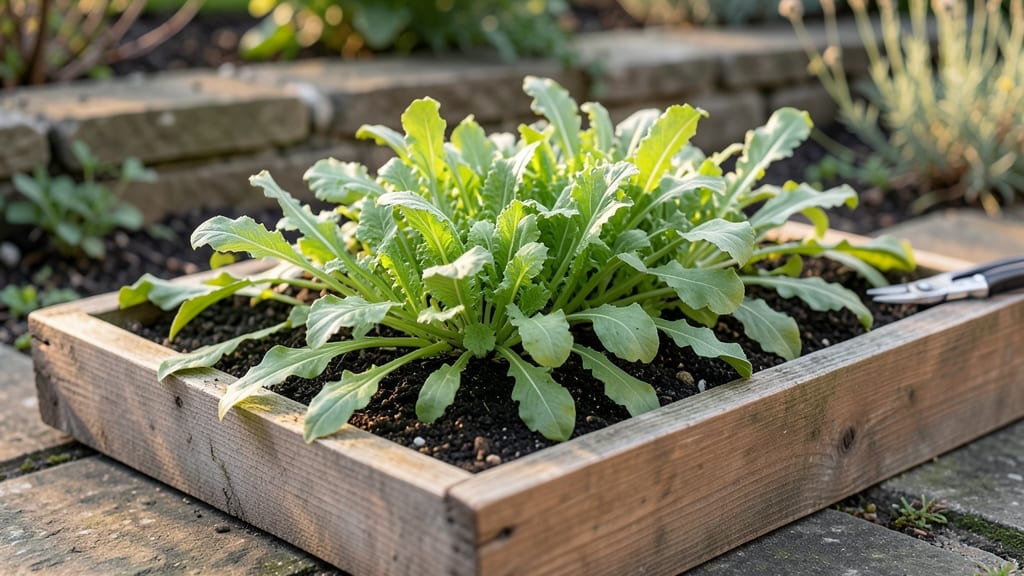
Growing lamb's lettuce from seed feels like cheating—fast germination in just 5-10 days, even when temperatures drop below 60°F. 🌱 I used to struggle with slow-starting greens until I discovered this hardy little plant thrives where others fail, giving me tender leaves in weeks instead of months.
The secret lies in cool, moist soil and shallow planting—just ¼ inch deep, with seeds spaced ½ inch apart. Unlike heat-loving lettuces, lamb's lettuce loves spring's crisp air and autumn's lingering chill, making it perfect for early spring or late fall sowings.
A light mulch keeps moisture steady while preventing crusting that can smother tiny seedlings.
Once sprouted, these delicate greens grow shockingly lush in partial shade, reaching harvestable size in just 30-40 days. Pinch older leaves to encourage bushier growth, and you'll enjoy a continuous supply of mild, slightly sweet leaves that hold up better than spinach in salads.
The key? Never let the soil dry out—consistent moisture is what turns these seeds into a gardener's secret weapon.
Works beautifully in containers or garden beds, and even tolerates light frosts. Perfect for extending your harvest season or filling gaps between slower-growing crops. Here's how to get started without the usual germination headaches.
📚 In This Guide
- What you need
- Instructions
- Tips and common mistakes
- Wrapping up and next steps
What you need
- ● Lamb’s lettuce seeds – Organic or non-GMO preferred (1–2 oz packet covers ~50 sq ft)
- ● Seed-starting soil or potting mix – Lightweight, well-draining (avoid heavy clay blends)
- ● Containers or seed trays – Shallow trays (3–4 inches deep) or biodegradable pots (2–3 inches wide)
- ● Watering can or spray bottle – Fine mist setting for gentle hydration
- ○ Grow lights or sunny windowsill – Optional but helpful for early growth (6–8 hours of light/day)
- ● Gloves – To protect hands from soil and tiny seeds
- ● Small hand trowel or fork – For transplanting seedlings
- ○ Mulch (straw or shredded leaves) – Optional for moisture retention in outdoor beds
- ○ Cold frame or cloche – Optional but ideal for extending cool-season growth
- ● Patience! Lamb’s lettuce germinates in 7–14 days—slower than many greens.
- ● Cool temperatures (45–65°F) for best growth; avoid heatwaves.
- ○ Well-draining soil with pH 6.0–7.0 (test kit optional but handy).
Step-by-step instructions for growing lamb's lettuce from seed
Here's how I grow this cold-hardy favorite—fast germination and all.
🌱 Step 1: Prepare Your Cool, Moist Growing Medium
Lamb's lettuce thrives in 55-65°F soil, so avoid warm spring beds. Fill your container with light, well-draining potting mix—I like a blend of 60% compost and 40% perlite for airy roots. Moisten it until damp but not soggy, then let it settle for 24 hours before sowing. This prevents crusting that can smother tiny seeds.
Here's the thing—lamb's lettuce seeds are delicate and fine, so I use a fine-mist spray bottle to distribute them evenly. Tap the seed packet gently to release seeds one at a time, then sprinkle them ¼ inch deep—any deeper and they won't break through the soil. Cover lightly with a thin layer of vermiculite to retain moisture without burying the seeds.
💧 Step 2: Maintain Consistent Moisture Without Overwatering
Keep the soil evenly moist but never waterlogged—this is critical for germination. I place the container in a clear plastic bag (like a produce bag with holes poked in it) to create a humid microclimate. Check daily and mist lightly if the surface feels dry. Germination happens in 5-10 days, but seeds need steady moisture to avoid drying out.
Don't water from above once seeds sprout—you'll dislodge them. Instead, water at the base with a gentle stream from a watering can with a fine rose. You'll see the first true leaves appear as small, rounded cotyledons—this is your signal to adjust care. At this stage, thin seedlings to 1 inch apart to prevent overcrowding.
☀️ Step 3: Provide Bright, Indirect Light for Early Growth
Lamb's lettuce loves bright, indirect light—think 40-60% shade cloth or an east-facing windowsill. Direct sun at this stage will scorch tender leaves. I use a grow light on a timer for 12 hours daily if natural light is insufficient. Watch for pale, leggy growth—this means more light is needed.
Once seedlings reach 2 inches tall, you can gradually introduce 3-4 hours of morning sun. Harden them off by moving to a shaded outdoor spot for 1 hour daily over 5-7 days before transplanting. Lamb's lettuce is bolt-resistant in cool weather, so you can plant it 4-6 weeks before your last frost for a quick harvest.
✂️ Step 4: Harvest at the Right Time for Maximum Flavor
Harvest outer leaves when they reach 3-4 inches long—this encourages continuous growth. Use clean scissors or fingers to snip leaves at the base. I harvest in the morning after dew has dried to preserve crispness. Regular harvesting prevents bolting and keeps plants productive for 30-40 days in cool weather.
Real talk: Lamb's lettuce grows so fast that I often find new leaves ready to harvest every 2-3 days. The key is consistency—keep soil moist, provide shade, and harvest regularly. If leaves turn bitter, it's a sign of stress, usually from too much sun or dry soil. Adjust care immediately to restore mild, sweet flavor.
Tips & tricks for perfect lamb's lettuce germination
Fast germination is all about creating the right conditions—here's how to nail it every time without the guesswork.
Soil Temperature Matters: The 55-65°F soil temperature range is non-negotiable for lamb's lettuce. I've learned the hard way that warmer soil (above 70°F) triggers premature bolting. If your growing space is too warm, place containers on a cooling rack over a tray of ice cubes for 10 minutes daily to regulate temperature. This mimics natural spring conditions where lamb's lettuce thrives.
Seed Distribution Technique: Those tiny seeds are notorious for clumping. My breakthrough came when I switched to a fine-mist spray bottle with a 0.015-inch nozzle—it lets me distribute seeds individually without overcrowding. For even coverage, I lightly tap the seed packet against my palm to release seeds one at a time while gently shaking the container. This creates the perfect 1-inch spacing before they even sprout.
Humidity Hack: The plastic bag trick works, but I've found that adding a damp paper towel inside the bag creates an even more stable microclimate. Fold the towel to cover the soil surface, then place the container inside the bag. This prevents condensation from dripping onto seeds while maintaining 90% humidity. Check daily and adjust the towel's dampness—it should feel like a wrung-out sponge.
Light Transition Strategy: When moving seedlings to outdoor conditions, I use a shade cloth ladder—starting with 80% shade for the first 2 days, then reducing by 10% each day until reaching 40-60%. This gradual adjustment prevents sun shock. For indoor growers, position your seedlings 6-8 inches below the grow light during the 12-hour daily cycle to maximize light penetration without overheating.
Pro Tips for Lambs Lettuce Seed
- Fast germination is all about creating the right conditions—here's how to nail it every time without the guesswork.
- Soil Temperature Matters: The 55-65°F soil temperature range is non-negotiable for lamb's lettuce.
- Seed Distribution Technique: Those tiny seeds are notorious for clumping.
Frequently asked questions
Got questions about growing lamb’s lettuce from seed?
You’re not alone! This delicate greens variety has specific needs, but with the right approach, it’s a breeze. Below, we’ve rounded up the most common queries—plus expert tips—to help you cultivate a thriving patch of Valerianella locusta.
How long does lamb’s lettuce seed take to germinate?
Lamb’s lettuce seeds are fast—typically sprouting in 7–14 days when kept moist and cool (ideal temps: 50–65°F). For quicker results, pre-soak seeds for 4–6 hours before planting. Just avoid overwatering, which can cause rot. Patience pays off—once they pop, growth is rapid!
Can I grow lamb’s lettuce in cold weather?
Absolutely!
Lamb’s lettuce thrives in cool seasons and tolerates light frosts down to 25°F. In fact, it’s often called “corn salad” because it’s perfect for spring and fall gardens. For winter harvests, use row covers or cold frames. Just avoid planting in scorching heat—seeds may fail to germinate.
What’s the best soil mix for lamb’s lettuce seeds?
This picky greens loves well-draining, fertile soil with a slightly acidic to neutral pH (6.0–7.0). Mix in compost or aged manure for nutrients, and avoid heavy clay. For containers, use a light potting mix with perlite or sand. Pro tip: Loosen soil before planting—seeds need good contact to germinate!
What can I plant instead of lamb’s lettuce if it’s too tricky?
If lamb’s lettuce seems too fussy, try these cool-season alternatives with similar mild, buttery flavors:
- Spinach – Hardier and more forgiving.
- Arugula – Fast-growing with a peppery kick.
- Mâche (field salad) – Another delicate, cold-loving green.
- Lettuce (leaf varieties) – Easier to harvest continuously.
Why aren’t my lamb’s lettuce seeds sprouting?
Common culprits include:
- Too warm – Seeds need cool temps (below 70°F). Move to shade or a cooler spot.
- Dry soil – Keep seeds consistently moist (not soggy) until germination.
- Old seeds – Viability drops after 1–2 years. Test with a fresh packet.
- Poor soil contact – Press seeds lightly into soil (they’re tiny!).
Wrapping up and next steps
Growing lamb’s lettuce seeds is a rewarding way to enjoy fresh, tender greens—even in cooler weather!
With the right prep, patience, and a little love, you’ll soon be harvesting crisp, flavorful leaves for salads, sandwiches, or garnishes. Don’t wait—start your seeds today and savor the crisp, peppery goodness of homegrown lamb’s lettuce!
Ready to dive in? Grab your supplies, follow the steps, and watch your garden thrive! 🌱✨