
Planting
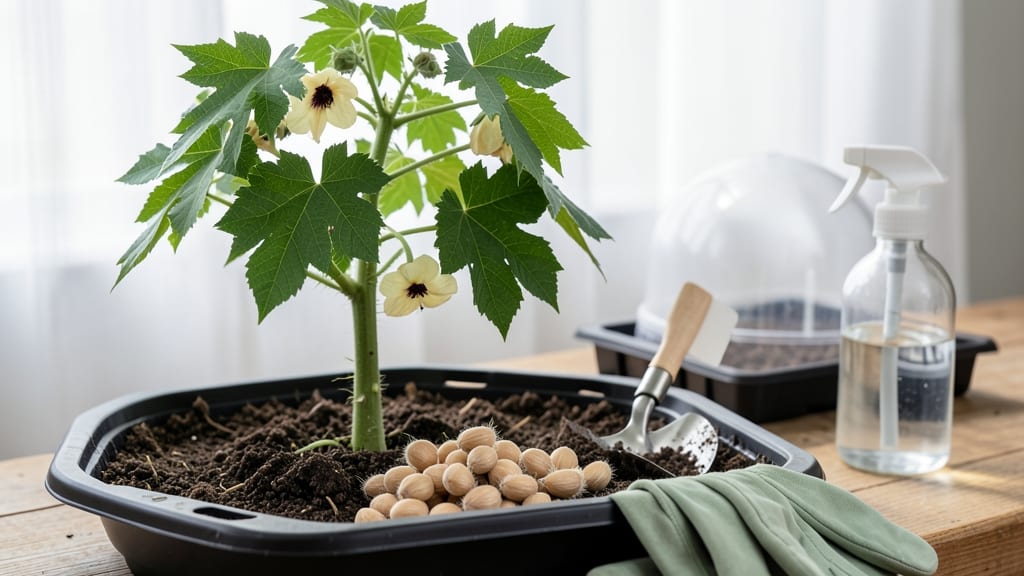
Sowing cotton seeds means unlocking fluffy clouds of white—if you nail the timing and soil prep. 🌱 I’ve watched seeds rot in damp soil or dry up before sprouting, but once you understand their quirks, germination becomes shockingly reliable.
The key? Warmth, moisture, and patience—cotton seeds need all three to break dormancy and push through the soil.
Start indoors 8-10 weeks before your last frost, using a seedling tray with well-draining mix (equal parts peat, perlite, and compost). Plant seeds ½ inch deep, just below the surface, and keep the soil at 80-85°F—a heat mat helps if your home runs cooler.
Overwatering is the silent killer here; let the top inch dry between waterings to avoid damping-off disease.
In 2-3 weeks, you’ll see those first tiny leaves unfurl—cotyledons—followed by true leaves in another week. That’s when you harden off seedlings for transplanting, but only after soil temps hit 60°F+ and nighttime temps stay above 55°F.
Cotton’s sensitive to cold, and shocked plants bolt faster than you’d like.
Outdoors, space seedlings 12-18 inches apart in rows 3 feet apart—cotton needs room to stretch its branches and avoid fungal diseases. Mulch lightly to retain moisture, but avoid smothering the base. With the right start, you’ll harvest bolls in 120-160 days, depending on your variety.
📚 In This Guide
- What you need
- Instructions
- Tips and common mistakes
- Wrapping up and next steps
What you need
- ● Cotton seeds: High-quality, disease-free seeds (quantity depends on field size; typically 40–60 lbs per acre for conventional planting). Choose varieties suited to your climate (e.g., Pima or Upland cotton).
- ● Seed drill or planter: Precision planters (e.g., John Deere MaxEmerge) for uniform depth (1–1.5 inches). For small plots, a hand-crank seed drill works!
- ● Soil testing kit: To check pH (6.0–7.0 ideal), nitrogen (N), phosphorus (P), and potassium (K) levels. Adjust amendments as needed.
- ● Fertilizer: Starter fertilizer (e.g., 10-10-10 or 12-12-17) for immediate nutrient boost.
- ● Slow-release fertilizer (e.g., urea or diammonium phosphate) for long-term growth.
- ● Irrigation system: Drip tape, sprinklers, or pivot systems (ensure 1–1.5 inches of water per week during germination).
- ● Herbicide (pre-emergent): Glyphosate or pendimethalin to suppress weeds before cotton sprouts.
- ● Tillage equipment: Disc harrow or chisel plow to loosen soil to 6–8 inches deep.
- ● Markers/stakes: For row spacing (typically 36–42 inches apart).
- ● Seed treatment: Fungicides (e.g., thiram) or insecticides (e.g., imidacloprid) to protect against seedling diseases or pests.
- ● Mulch: Straw or black plastic to retain moisture and suppress weeds.
- ● Soil conditioners: Compost or gypsum to improve texture in heavy clay soils.
- ● Weather monitoring: A soil thermometer (ideal germination temp: 60–95°F) or weather app for timing.
- ● GPS or grid mapping: For large-scale planting to ensure even seed distribution.
Step-by-step instructions for sowing cotton seeds successfully
Here's how to maximize germination rates and grow vigorous cotton plants from seed.
🌱 Step 1: Prepare the Seeds for Optimal Germination
Cotton seeds have a hard outer shell that slows water absorption. I soak them in lukewarm water for 12-24 hours to soften the coating and speed up germination. Use a shallow dish and change the water every 4-6 hours to prevent stagnation. You'll see the seeds swell noticeably—this means they're ready for planting.
After soaking, gently blot the seeds dry with a paper towel. This prevents them from sitting in water once planted, which can cause rot. I like to work with them in the morning so they have the full day to dry slightly before going into the soil.
🌿 Step 2: Create Ideal Soil Conditions for Sprouting
Cotton thrives in loose, well-draining soil with a pH between 6.0-7.5. Mix equal parts of peat moss and perlite with your garden soil to improve aeration and moisture retention. The goal is a fluffy texture that crumbles easily when squeezed—not compacted like garden soil.
Warmth is critical for germination. Cotton seeds germinate best in soil that stays between 75-85°F. If your garden soil isn't warm enough, place the seed tray on a seedling heat mat. You'll know the soil is ready when it feels consistently warm to the touch, not cold.
💧 Step 3: Plant Seeds at the Correct Depth and Spacing
Sow seeds ½ inch deep and 1 inch apart in rows spaced 18 inches apart. Planting too deep delays germination because the seedling must push through more soil. I use a small stick to make holes just deep enough for the seeds, then place one seed per hole.
Cover lightly with soil and water gently with a spray bottle until the surface looks evenly moist. Avoid heavy watering, which can wash seeds deeper into the soil. After watering, place the tray in a warm, bright location—just not direct sunlight yet. You should see sprouts in 7-14 days.
☀️ Step 4: Provide Proper Light and Care After Germination
Once seedlings emerge, move them to a location with full sun (6+ hours daily). I start with partial shade for the first week to prevent shock, then gradually increase sun exposure. Leggy seedlings (thin, stretched stems) mean they need more light—adjust their position immediately.
Water when the top inch of soil feels dry, but avoid wetting the leaves to prevent fungal diseases. Cotton plants are drought-tolerant once established, but seedlings need consistent moisture. You'll know they're thriving when the first true leaves appear—these are the second set of leaves, not the initial seed leaves.
✂️ Step 5: Thin Seedlings for Stronger Growth
When seedlings reach 2-3 inches tall and have 2-3 true leaves, thin them to 12 inches apart in rows. This prevents overcrowding and ensures each plant gets proper nutrients. I use scissors to snip unwanted seedlings at soil level—pulling can disturb roots of neighboring plants.
After thinning, water deeply to help the remaining plants recover. You'll see stronger, bushier growth within 2-3 weeks as the plants fill out their space. This is also the time to add a balanced fertilizer (10-10-10) to support rapid growth.
Tips & tricks for perfect cotton seed germination
A few subtle adjustments can transform your germination success rate from hit-or-miss to consistently reliable. Here's what I've learned after years of trial and error in the garden.
Soaking Strategy: The 12-24 hour soak is non-negotiable, but timing matters more than you might think. I've found that soaking seeds in the evening and planting first thing in the morning gives them a full day to dry properly before going into the soil. This prevents moisture-related rot while maintaining that critical hydration boost. Pro tip: Use filtered water if your tap water has high chlorine levels—it can stress the seeds during their delicate hydration phase.
Soil Temperature Secret: That 75-85°F range isn't just a suggestion—it's a biological necessity. Cotton seeds contain enzymes that only activate at these temperatures. If your soil feels cooler than your wrist when pressed, you're risking delayed or failed germination. I keep a digital soil thermometer handy during planting season and adjust my schedule to plant when soil temps naturally rise, usually mid-morning on sunny days.
Planting Depth Precision: The ½-inch depth recommendation might seem arbitrary, but it's actually a perfect balance. Planting too shallow exposes seeds to rapid moisture loss, while planting too deep forces seedlings to push through excessive soil. I use a toothpick to measure each hole—it's the perfect tool for maintaining consistent depth. After planting, I gently press the soil around each seed with my finger to ensure good seed-to-soil contact without compacting.
Light Transition Hack: That first week of partial shade after germination is crucial for preventing shock. I've developed a simple system: place seedlings under a sheer white curtain or even a piece of white plastic wrap stretched above them. This diffuses light while still providing enough intensity to prevent legginess. The key is gradual exposure—move them to full sun only after you see strong stems developing.
Pro Tips for Cotton Seed Sowing
- A few subtle adjustments can transform your germination success rate from hit-or-miss to consistently reliable.
- Soaking Strategy: The 12-24 hour soak is non-negotiable, but timing matters more than you might think.
- Soil Temperature Secret: That 75-85°F range isn't just a suggestion—it's a biological necessity.
Frequently asked questions
Got questions about cotton seed sowing?
You’re not alone! Whether you’re a first-time grower or looking to refine your technique, these answers will help you plant with confidence.
When is the best time to sow cotton seeds?
The ideal time depends on your climate, but cotton thrives in warm soil—aim for after the last frost when soil temperatures reach 60°F (15°C) or higher. In tropical regions, sow during the dry season to prevent rot. Always check your local frost dates and plant when nights stay consistently above 50°F (10°C).
How long does it take for cotton seeds to germinate?
Cotton seeds typically sprout in 7–14 days under optimal conditions (warm soil, consistent moisture, and sunlight). If germination takes longer, check for overwatering (which causes rot) or too-cold soil. A quick fix? Use a seedling heat mat to speed things up!
Can I grow cotton from seeds in containers?
Yes! Cotton plants can thrive in large containers (at least 5-gallon pots) with well-draining soil. Just ensure pots have drainage holes and support the plant’s eventual height (some varieties reach 6–10 feet). Move containers to a sunny spot and fertilize regularly for best results.
What should I do if my cotton seeds aren’t sprouting?
First, check for moisture (soil should stay damp but not soggy). If seeds are old or stored improperly, they may have lost viability. Try soaking them in warm water for 24 hours before replanting. If pests (like ants or rodents) are digging up seeds, use a light mulch layer to protect them.
Do cotton seeds need special soil prep?
Cotton prefers well-draining, slightly acidic soil (pH 6.0–7.0). Work in compost or aged manure before planting to improve fertility. Avoid heavy clay soils—amend with sand or perlite if needed. A pre-planting soil test can help tweak nutrients for faster growth!
Wrapping up and next steps
Mastering cotton seed sowing is all about timing, soil prep, and patience—just like nurturing any thriving crop! 🌱 By following the right germination techniques and ensuring your soil is rich and well-drained, you’ll set your cotton plants up for success.
Now that you’re armed with the secrets, it’s time to roll up your sleeves and plant with confidence.
Ready to take the next step? Start by marking your calendar for the optimal sowing window in your region and gather your supplies. Happy planting—your future cotton harvest awaits! 🌟