
Lawn
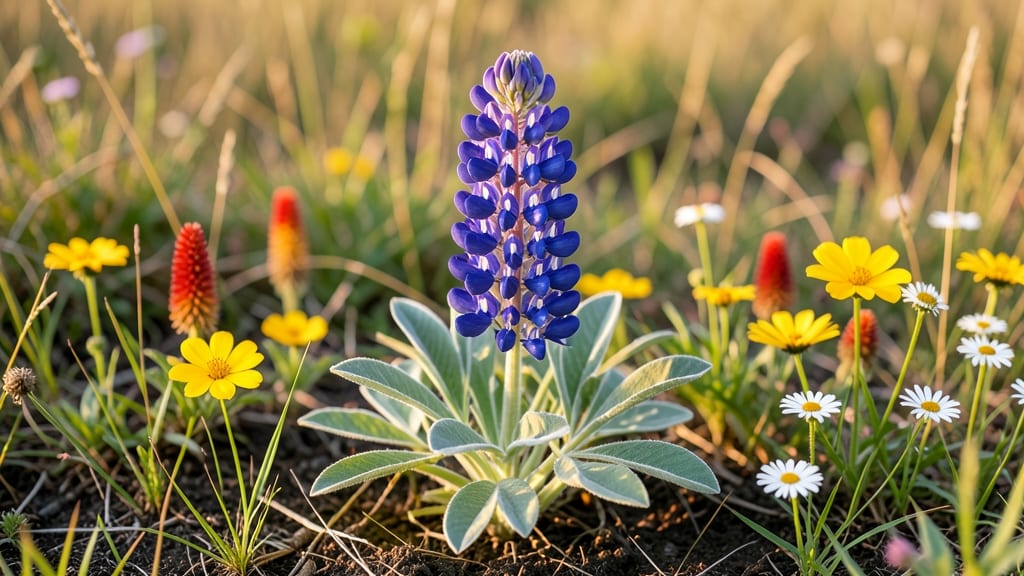
A Texas wildflower seed mix transforms your yard into a pollinator paradise with zero fuss—just scatter, water, and watch nature do the rest. 🌻 I’ve planted mine in both spring and fall, and the key to success isn’t digging up the soil or fussing over perfect conditions.
These hardy natives thrive on neglect, turning cracked concrete and dry patches into vibrant meadows that bloom from early spring through winter frost. The secret lies in their drought-resistant roots and deep connections to Texas ecosystems.
Most mixes include bluebonnets, Indian paintbrush, and coreopsis—plants that need full sun and minimal watering once established. Skip the tilling; a light raking or even just broadcasting seeds over existing grass works just fine.
The real magic happens when you let them grow wild, attracting bees, butterflies, and hummingbirds that other gardens can’t. By late spring, you’ll see waves of color that shift with the seasons—purple, orange, yellow, and white—without a single deadhead or fertilizer. The flowers even self-seed, so each year gets easier.
My neighbor’s wildflower patch now outshines his manicured lawn, and he hasn’t touched it since planting. Works for urban lots, rural acres, or even containers—just adjust watering for the first few weeks. Here’s how to make it happen without the hassle.
📚 In This Guide
- What you need
- Instructions
- Tips and common mistakes
- Wrapping up and next steps
What you need
- ● Texas Wildflower Seed Mix: 1–2 lbs per 100 sq. ft. (adjust for larger areas; pro tip: check the seed packet for exact coverage rates!)
- ● Rake: A sturdy, medium-tooth garden rake (for loosening soil and removing debris).
- ○ Hoe or Cultivator: Optional but helpful for breaking up compacted soil (especially in urban areas).
- ● Water Source: Garden hose with a gentle spray nozzle or a watering can (consistent moisture is key!).
- ● Gloves: A pair of durable gardening gloves (to protect your hands from prickly stems or debris).
- ● Sunlight: A spot with full sun (6+ hours/day)—wildflowers thrive in Texas heat!
- ● Compost or Organic Mulch: Lightly mix 1–2 inches into the soil to retain moisture (skip if soil is sandy).
- ● Seedling Trays or Nursery Pots: For starting seeds indoors (if planting outside peak season).
- ● Birdseed or Wildlife Feeders: To attract pollinators and enjoy the bonus wildlife show! 🐝🦋
- ● Weed Barrier Fabric: For high-traffic areas to reduce competition with weeds.
- ● Label Stakes: To mark planting dates or varieties (great for experimenting!).
Step-by-Step instructions for planting Texas wildflower seed mix
Here's how I transform even the toughest Texas soil into a vibrant wildflower meadow with almost no fuss.
🌱 Step 1: Choose the Right Location and Prepare the Soil
Select a site with 6+ hours of direct sunlight daily—wildflowers thrive where other plants struggle. I always test the soil first by digging a 6-inch deep hole and checking for compaction or hardpan. Texas clay? No problem—just break up the top 4 inches with a broadfork or tiller to improve drainage.
Remove any existing vegetation by hand or with a hoe, being careful not to disturb the underlying soil too deeply. You want to expose mineral-rich layers while keeping the root zone intact. If your soil tests acidic (pH below 6.0), add pelletized lime at a rate of 20 pounds per 100 square feet and till it in. Wildflowers love slightly alkaline conditions.
💧 Step 2: Scatter Seeds and Lightly Rake for Even Coverage
Work in small sections of 5×5 feet to avoid missing spots. Pour seeds directly from the packet while walking slowly, scattering them evenly by hand. I like to use a quarter-cup measure to ensure consistent coverage—about 1 cup per 100 square feet for most Texas wildflower mixes. Don't worry about perfect spacing; wildflowers self-seed beautifully.
Use a stiff rake or your hands to press seeds into the soil just enough to cover them with ¼ inch of topsoil or compost. This light covering protects seeds from birds while allowing sunlight to penetrate. Avoid deep planting—most wildflower seeds need light to germinate. Water gently with a sprinkler set to a fine mist until the soil feels uniformly damp but not soggy.
☀️ Step 3: Water Strategically and Protect New Growth
Keep the planting area moist for the first 3-4 weeks by watering deeply 2-3 times per week—enough to wet the top 2 inches of soil. After germination, reduce watering to once per week unless we experience a prolonged dry spell. Overwatering at this stage causes seedling rot, which is why I always check moisture by hand before watering again.
Install a temporary bird netting or floating row cover if you're planting in early spring or fall, when birds are most active. Even a light disturbance from wildlife can decimate your seedlings. Once plants reach 2-3 inches tall, remove the protection—wildflowers are tough enough to handle Texas weather once established.
✂️ Step 4: Maintain with Minimal Intervention
After the first flush of blooms, let the plants go dormant naturally. In late summer, cut back dead growth to 4-6 inches above ground level using sharp shears or a string trimmer. This encourages new growth and prevents weeds from taking over. I always do this after the first frost, when seeds have had time to disperse but before winter rains arrive.
Fertilizer isn't needed—wildflowers thrive in lean soil. If your meadow looks sparse after two years, simply scatter fresh seed over the existing plants. The established roots will help new seedlings establish without competition. Mulch isn't recommended either; wildflowers need good airflow to prevent fungal diseases.
⏰ Step 5: Plan for Year-Round Interest
Texas wildflower mixes typically bloom in waves: early spring (bluebonnets), summer (black-eyed Susans), and fall (goldenrod). To extend the season, I plant a small section of winter annuals like sweet alyssum or calendula in late fall. These fill gaps while native perennials rest, creating continuous color.
Watch for seed heads forming in late summer—they're your next generation. Collect and store them in a cool, dry place for next year's planting. Over time, your meadow will develop its own unique mix of native species, adapting perfectly to your local climate and soil conditions.
Tips & tricks for perfect Texas wildflower meadows
These simple strategies will help you create a thriving wildflower display that requires almost no maintenance once established.
Soil Prep Tip: If your soil test reveals a pH below 6.0, apply that 20 pounds of pelletized lime per 100 square feet in Step 1, but do it at least 2 weeks before planting. Lime needs time to fully integrate into the soil profile—just tilling it in right before seeding can create uneven pH zones that stress young seedlings. I've seen this cause patchy germination when lime wasn't properly incorporated.
Seed Distribution Hack: For those 5×5 foot sections in Step 2, I recommend working in a grid pattern rather than random scattering. Start at one corner and walk methodically, pouring seeds from your quarter-cup measure every 2 feet along each row. This creates consistent coverage without the risk of missing spots that comes with freehand scattering. The 1 cup per 100 square feet ratio will feel generous, but trust me—wildflowers self-seed so aggressively that you'll have plenty of coverage next year.
Watering Wisdom: When maintaining moisture for those critical 3-4 weeks in Step 3, I set my sprinkler timer for 15 minutes every other day rather than daily. This prevents soil compaction from frequent watering while still keeping the top 2 inches consistently damp. The key is checking soil moisture with your fingers—it should feel like a wrung-out sponge, not a dripping wet rag. Overwatering at this stage is the #1 reason wildflower seedlings fail.
Seasonal Extension Strategy: That optional winter annuals section in Step 5 doesn't have to be limited to sweet alyssum or calendula. Consider adding lobelia or stock for early spring color, then let them self-seed into your meadow. I've found these varieties blend beautifully with native perennials while providing continuous blooms when most wildflowers are dormant. Just remember to remove them before they go to seed if you want to maintain your native mix.
Pro Tips for Texas Wildflower Seed Mix
- These simple strategies will help you create a thriving wildflower display that requires almost no maintenance once established.
- Soil Prep Tip: If your soil test reveals a pH below 6.0, apply that 20 pounds of pelletized lime per 100 square feet in Step 1, but do it at least 2 weeks before planting.
- Seed Distribution Hack: For those 5×5 foot sections in Step 2, I recommend working in a grid pattern rather than random scattering.
Frequently asked questions
Got questions about growing a vibrant Texas wildflower mix? We’ve got answers! Here are some of the most common queries—and solutions—to help you get the most out of your wildflower garden.
When is the best time to plant Texas wildflower seeds?
The ideal window is late fall (October–November) or early spring (February–March). Planting in fall lets seeds germinate naturally with winter rains, while spring planting ensures blooms by summer. Avoid planting in summer heat—seeds need moisture to sprout!
How long does it take for Texas wildflowers to bloom after planting?
Most wildflowers take 6–12 months to reach full bloom, depending on the species and weather. Some varieties, like Mexican Feather Grass or Bluebonnets, may surprise you with early blooms in their first year, but patience pays off for a showstopping second-year display.
Do Texas wildflowers need frequent watering once established?
Once rooted, wildflowers are drought-tolerant! Water deeply once a week for the first month to help seeds germinate, then taper off. After establishment, they thrive on natural rainfall. Overwatering can actually harm them—let the soil dry slightly between waterings.
Can I mix Texas wildflower seeds with grass seed?
Yes, but with caution! Wildflowers compete with grass for sunlight and nutrients. For best results, plant wildflowers in dedicated patches or along fences/medians. If mixing, use a low-coverage grass seed (like Buffalo Grass) to avoid smothering wildflowers.
Will Texas wildflowers attract bees or pests?
Absolutely—they’ll attract pollinators like bees and butterflies! This is a good thing for your ecosystem. As for pests, wildflowers are generally low-maintenance and resistant to most issues. If you spot aphids, a strong spray of water usually does the trick.
What should I do if my wildflowers don’t grow?
Start by checking seed viability—test a few seeds in damp paper towels for 3–5 days. If they sprout, your seeds are fine! Other culprits? Too much shade, poor soil contact, or overwatering. Try re-scattering seeds lightly in spring or consider a wildflower transplant for quick color.
Wrapping up and next steps
Transforming your Texas landscape into a vibrant wildflower haven is easier—and more rewarding—than you think! With a Texas wildflower seed mix, you’re not just planting seeds; you’re inviting nature’s beauty into your yard with minimal effort.
The key? Patience and a little preparation, and soon, your space will burst with color, supporting pollinators and adding charm to your outdoor oasis.
Ready to take the next step? Start small—try a patch in a sunny corner or along a fence—and watch your garden thrive. Then, share your blooming success with neighbors or expand your wildflower journey! 🌸🌻