
Propagation
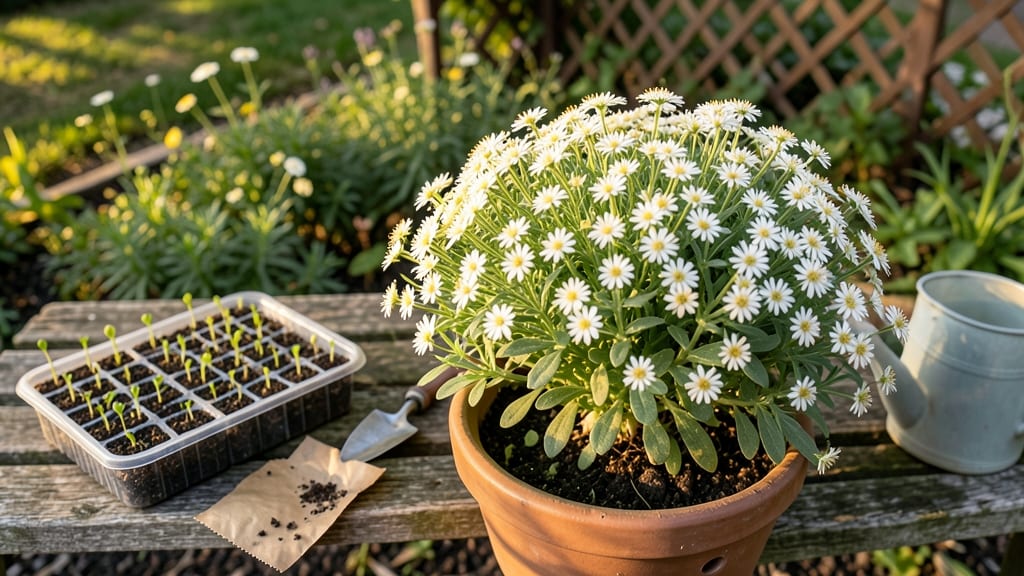
Growing Alyssum maritimum seeds unlocks fragrant, snow-white blooms that attract pollinators and thrive even in coastal winds. 🌿 I've grown this sweet-scented annual for years, and its ability to handle salty air and poor soil makes it a standout for both gardeners and pollinators alike.
The secret lies in its love for cool weather and well-draining soil—ideal for early spring or fall plantings. You'll need minimal supplies: a flat tray or small pots, lightweight potting mix, and patience for the 3-month bloom timeline.
Unlike finicky flowers, Alyssum maritimum self-seeds easily, so you might find volunteers popping up where you least expect them. The key is keeping soil moist but not soggy during germination, which typically takes 7-14 days under consistent warmth.
Once established, you'll enjoy continuous blooms from spring until frost, with clusters of tiny white flowers that release a honey-like fragrance when brushed. It's perfect for edging, borders, or even as a living mulch—just pinch back spent blooms to encourage bushier growth.
The more you cut it back, the more it fills in. This versatile plant handles everything from full sun to partial shade, making it ideal for coastal gardens, containers, or even as a fragrant ground cover.
With its low-maintenance nature and pollinator appeal, it's a must-have for any garden—beginner or experienced.
📚 In This Guide
- What you need
- Instructions
- Tips and common mistakes
- Wrapping up and next steps
What you need
- ● Seeds: 1 packet of Alyssum maritimum seeds (approx. 500-1,000 seeds per packet). Choose heirloom or organic for best results.
- ● Seed trays or pots: 2-4 shallow trays (3-4 inches deep) or small pots (2-3 inches in diameter) with drainage holes.
- ● Seed-starting mix: 2-3 quarts of lightweight, sterile potting soil (avoid garden soil—it’s too dense!).
- ● Watering can or spray bottle: A fine-mist sprayer works best to avoid disturbing seeds.
- ● Plastic wrap or clear lid: To create a mini greenhouse effect and retain moisture.
- ● Grow lights or sunny windowsill: A south-facing window or LED grow lights (12-16 hours/day) for optimal germination.
- ● Gloves: Protect your hands from soil and tiny seeds.
- ● Plant labels: Small markers or sticks to label trays/pots (e.g., “Alyssum – Plant 2024”).
- ● Fertilizer: A balanced, water-soluble fertilizer (5-10-5 ratio) for seedlings after 3-4 weeks.
- ○ Heat mat (optional): Speeds up germination if your space is chilly (70-75°F is ideal).
- ● Tweezers: For precise seed placement (helpful if seeds are tiny!).
- ● Transplanting supplies: Biodegradable pots or a small shovel for moving seedlings outdoors.
Step-by-step instructions for growing Alyssum maritimum from seeds
Here's how to coax those sweet, honey-scented blooms from tiny seeds with confidence.
🌱 Step 1: Prepare Lightweight Growing Medium
Fill your seed-starting trays with a sterile seed-starting mix—never garden soil, which compacts and smothers delicate alyssum roots. I like to blend mine with 20% perlite for extra drainage, since alyssum hates soggy feet. Moisten the mix until it feels like a wrung-out sponge: damp but not dripping.
Press the soil surface lightly to create a firm seedbed. Alyssum seeds are tiny, so you'll want a smooth, even surface to prevent them from rolling into clumps. Use a small board or your palm to tap the tray gently—just enough to settle the mix without compacting it. This ensures even contact with moisture and warmth.
🌱 Step 2: Sow Seeds at Perfect Depth
Sprinkle seeds sparingly—alyssum germinates densely, and you'll end up thinning later. I use a toothpick to space them ¼ inch apart in rows. The seeds are so small they look like dust, so I mark the tray with a pencil first to avoid overcrowding. Cover them with a thin layer of vermiculite—just enough to obscure their color, about ⅛ inch deep.
Mist the surface with a spray bottle until the vermiculite looks uniformly damp. Avoid heavy watering; you want the seeds to stay in place while maintaining moisture. Place the tray in a clear plastic bag or under a humidity dome to create a greenhouse effect. Alyssum seeds need consistent moisture to germinate, but they'll rot if submerged.
☀️ Step 3: Provide Warmth and Gentle Light
Set the tray on a seedling heat mat maintained at 70-75°F—this is critical for germination, which typically occurs in 7-14 days. Without warmth, seeds may take weeks or fail entirely. Keep the humidity dome in place until you see first true leaves (the second set after the initial cotyledons).
Once sprouts emerge, remove the dome immediately to prevent damping-off, a fungal disease that collapses seedlings overnight. Move the tray to a bright, indirect light source, like a south-facing window or grow light positioned 6 inches above the plants. Alyssum seedlings are shade-tolerant but grow leggy without enough light—watch for stems stretching toward the window as your cue to adjust.
🌿 Step 4: Thin and Harden Off Seedlings
When seedlings reach 1 inch tall with 4-6 true leaves, it's time to thin. Use clean scissors to snip unwanted seedlings at soil level, leaving the strongest 2-3 plants per cell. Avoid pulling—you'll disturb roots and risk uprooting the ones you want to keep. Space remaining plants 3-4 inches apart if transplanting directly into the garden.
Start hardening off two weeks before your last frost date. Place seedlings outside in a sheltered spot for 1 hour the first day, gradually increasing exposure over 7-10 days. Alyssum is cold-hardy, but sudden temperature swings can shock tender new growth. By the time they're acclimated, you'll have bushy, resilient plants ready for the garden or containers.
✂️ Step 5: Transplant and Maintain for Continuous Blooms
Set plants 6-8 inches apart in well-draining soil with full sun to partial shade. Alyssum thrives in USDA zones 5-9 and tolerates coastal conditions, salt spray, and even light frost. Water deeply once a week, letting the soil dry slightly between waterings—overwatering is the fastest way to kill these tough little plants.
Pinch back new growth when plants reach 4 inches tall to encourage bushier habits. Deadhead spent blooms regularly to prolong flowering, which can last from spring until frost with proper care. You'll know you've succeeded when your garden fills with that honey-like fragrance and clouds of tiny white, pink, or purple blooms.
Tips & tricks for growing Alyssum maritimum from seeds
Let me share the hard-won lessons that'll help you avoid the most common pitfalls when growing these delicate coastal beauties.
Moisture Management: The key to successful germination is maintaining consistent moisture without drowning the seeds. After sowing, I place my seed trays on a bed of damp pebbles inside a clear plastic container—this creates a humid microclimate while preventing water from pooling at the bottom. Check moisture daily with your finger; the vermiculite covering should feel like a damp sponge, not a soggy washcloth. Too much water causes rot, while too little means seeds won't sprout.
Light Source Strategy: Alyssum seedlings are surprisingly shade-tolerant, but they'll stretch unnaturally if light is insufficient. I've found that positioning my grow light 4-5 inches above the seedlings (closer than the recommended 6 inches) prevents legginess while still providing enough intensity. Rotate the tray daily so all sides receive equal light exposure—this ensures even growth and prevents plants from leaning toward one direction.
Hardening Off Technique: The gradual 7-10 day hardening process is where many beginners rush and end up with stressed plants. I start by placing seedlings in a sheltered spot that receives morning sun and afternoon shade, then gradually increase their exposure. On cloudy days, I extend the outdoor time—these plants are tough, but sudden temperature drops can still shock them. By the final day, they should be able to handle full sun for several hours without wilting.
Pro Tips for Alyssum Maritimum Seeds
- Let me share the hard-won lessons that'll help you avoid the most common pitfalls when growing these delicate coastal beauties.
- Moisture Management: The key to successful germination is maintaining consistent moisture without drowning the seeds.
- Light Source Strategy: Alyssum seedlings are surprisingly shade-tolerant, but they'll stretch unnaturally if light is insufficient.
Frequently asked questions
Got questions about growing Alyssum maritimum from seeds?
You’re not alone! Here are the most common concerns—plus quick, practical answers to get your coastal blooms thriving in no time.
How deep should I plant Alyssum maritimum seeds?
Keep it shallow! Scatter seeds on the soil surface or press them lightly into the top ¼ inch (0.6 cm) of well-draining soil. Since they need light to germinate, avoid burying them—just a sprinkle of soil or a gentle pat will do. Pro tip: Use a seedling mix with perlite or sand to prevent rot.
How long do Alyssum maritimum seeds take to germinate?
Patience pays off! Germination typically takes 7–21 days in ideal conditions (60–70°F or 15–21°C, with consistent moisture). If your seeds don’t sprout in 3 weeks, try gently pressing them into the soil again or check for moisture levels. Cold stratification (a 2-week fridge stint) can help if your climate is warm.
Can I grow Alyssum maritimum indoors before transplanting?
Start seeds indoors 4–6 weeks before your last frost date using small pots or trays. Use a sunny windowsill or grow lights (12–14 hours/day) and keep soil moist. Harden off seedlings for 7–10 days before moving them outside to avoid shock. Bonus: They’ll be ready for containers or garden beds by late spring!
Why aren’t my Alyssum maritimum plants flowering?
Slow bloomers? Check these fixes:
- Light: They need full sun (6+ hours/day)—move to a sunnier spot if growth is leggy.
- Deadheading: Pinch off spent blooms to encourage more flowers (they’re self-cleaning but benefit from a trim!).
- Nutrients: Over-fertilizing can delay blooms—use a light feed (like 5-10-5) every 4–6 weeks.
If they’re still shy, they might need time—some varieties bloom in 6–8 weeks from seed!
Are there drought-tolerant alternatives to Alyssum maritimum?
Yes! If you love Alyssum’s low-maintenance charm but want even drought-resistant options, try:
All three are annuals but self-seed easily for perennial-like performance.
Wrapping up and next steps
Growing Alyssum maritimum seeds is a rewarding journey—just 3 months of minimal effort yields fragrant, low-maintenance blooms perfect for pollinators and coastal charm! 🌸 With its drought tolerance and vibrant colors, this hardy plant is ideal for beginners and experienced gardeners alike.
Ready to transform your space? Start with just a handful of seeds, a sunny spot, and a sprinkle of patience—your coastal oasis awaits!
💡 Next step: Mark your calendar for planting in early spring or late summer and watch your garden burst with sweet, delicate flowers in no time!