
Lawn
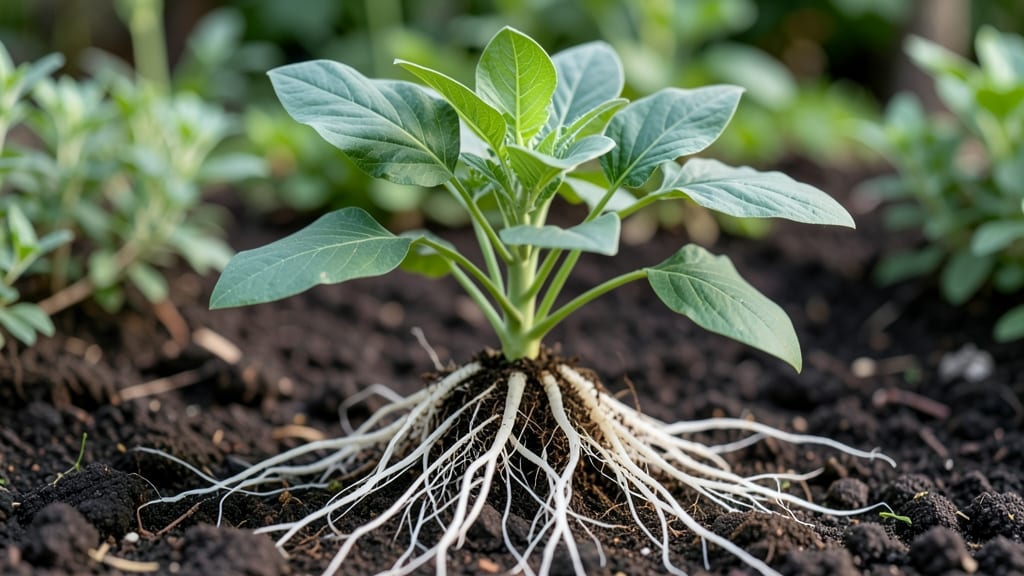
Mustard seed roots start as tiny taproots that punch through soil faster than you'd expect. 🌱 I planted my first batch last spring and was shocked to see seedlings emerge in just 3 days—but that speed comes with a catch: their delicate roots need the perfect soil mix to avoid stunting.
Mustard plants develop a single, strong taproot that grows deep for stability, while side roots branch out for nutrient uptake. The trick is keeping soil loose and well-draining; compacted dirt strangles those roots before they can establish.
My first attempt in heavy clay left me with leggy, weak plants that bolted too fast. With the right prep—light, airy soil and consistent moisture—you'll see roots spreading 1-2 inches deep per week. That means stronger stems, better disease resistance, and greens that stay tender longer.
The payoff? A harvest window that stretches 2-3 weeks longer than average. Works for both spring and fall planting, though spring gives you the longest growing season. Here's how to set up your soil for success before the first seeds go in.
📚 In This Guide
- What you need
- Instructions
- Tips and common mistakes
- Wrapping up and next steps
What you need
- ● Mustard seeds: 1–2 tbsp (about 10–20g) of high-quality, organic mustard seeds (e.g., Brassica juncea or Sinapis alba).
- ● Growing medium: For indoor seed starting: 1–2 small seed trays (4–6" deep) or 4–6 biodegradable pots (3–4" diameter).
- ● For direct soil planting: Loose, well-draining garden soil or a mix of 50% topsoil + 50% compost.
- ● Watering tools: Spray bottle (for gentle seed moisture).
- ● Watering can with a fine rose nozzle (for established seedlings).
- ● Hand trowel or planting stick (for digging small holes in soil).
- ● Grow lights or sunny windowsill (if starting indoors; 6–8 hours of light/day).
- ● Plastic wrap or humidity dome (to retain moisture during germination).
- ○ Fertilizer: Balanced organic fertilizer (e.g., 10-10-10) or compost tea (optional, for faster growth).
- ● Mulch or straw (to protect seedlings from pests or harsh weather).
How to prepare soil and time mustard seed germination
Here's the straightforward method I use to ensure fast, healthy mustard seed sprouts every time.
🌱 Step 1: Test and Prepare the Soil
Mustard seeds need loose, well-draining soil with a pH between 6.0 and 7.5—too acidic or compacted soil slows germination. Grab a handful of your garden soil and squeeze it: if it holds a tight ball, mix in 20% perlite or coarse sand to improve drainage. I like to add a thin layer of compost (about ½ inch) to the top inch of soil for extra nutrients.
Water the soil until it's moist but not soggy—think of a wrung-out sponge. Stick your finger 1 inch deep: if it feels dry, water again. The goal is even moisture without puddles. Mustard seeds germinate best in soil that stays consistently damp but never waterlogged.
🌱 Step 2: Soak Seeds to Speed Germination
Mustard seeds have a tough outer coating that slows sprouting. Soak them in lukewarm water for 12 hours before planting—this softens the shell and kickstarts germination. Use a small bowl or jar, cover with a lid, and let them soak at room temperature. I place mine near a sunny window to keep the water warm.
After soaking, drain the seeds in a fine-mesh strainer and let them sit for 10 minutes to air-dry slightly. This prevents them from sticking together when you plant. You'll see the seeds swell slightly—this is your signal they're ready. Plant within 24 hours of soaking for best results.
🌱 Step 3: Plant Seeds at the Right Depth and Spacing
Mustard seeds are tiny but pack a punch—plant them ¼ inch deep and 1 inch apart in rows spaced 12 inches apart. Use your finger or a small stick to make shallow furrows, drop the seeds in, then cover lightly with soil. Press down gently so the seeds make good contact with the moist earth.
Water the area lightly after planting to settle the soil around the seeds. Avoid heavy watering, which can wash them deeper than ¼ inch. You'll see the first sprouts in 3-5 days if conditions are right—watch for tiny green hooks breaking through the soil.
☀️ Step 4: Maintain Ideal Conditions for Fast Germination
Mustard seeds germinate fastest in soil temperatures between 65°F and 75°F. If your garden runs cooler, lay down a black plastic mulch a few days before planting to warm the soil. Keep the planting area consistently moist—not dripping, but never letting the top inch dry out.
Thin seedlings to 4 inches apart once they reach 2 inches tall—this prevents overcrowding and gives roots room to grow. You'll know thinning is needed when seedlings start touching each other. Use sharp scissors to cut at soil level for the cleanest removal.
⏰ Step 5: Monitor Germination Timeline and Troubleshoot
Germination typically takes 3-7 days under ideal conditions, but cooler soil or dry spells can delay it to 10-14 days. If no sprouts appear after 14 days, gently scratch the soil surface to check for seeds—sometimes they’re buried too deep or didn’t make contact with moisture.
Watch for damping-off, a fungal disease that causes seedlings to collapse at the base. If you see this, reduce watering and improve airflow by spacing plants further apart. Mustard seeds are tough, but they need consistent care to break through the soil successfully.
Tips & tricks for perfect mustard seed germination
These straightforward tricks will help you troubleshoot common issues and get your mustard seeds sprouting faster.
Soil Preparation: If you're working with heavy clay soil, mix in 30% perlite or coarse sand instead of the recommended 20%—this extra drainage prevents waterlogging, which can suffocate seeds. I've found that adding a thin layer of vermiculite (about ¼ inch) on top of the soil helps retain moisture while still allowing airflow, especially in hotter climates. This two-layer approach keeps the soil consistently damp without becoming soggy.
Seed Soaking: The 12-hour soak is your sweet spot—any longer risks softening the seed too much, while shorter soaks leave the tough outer shell intact. For faster results, try soaking the seeds in lukewarm water with a pinch of sea salt (just a tiny amount!). This doesn't change the 12-hour timeframe but can help prevent bacterial growth during soaking. After draining, I like to spread the seeds on a paper towel for those 10 minutes to ensure they're completely dry before planting.
Planting Depth: Those ¼-inch-deep seeds need perfect contact with moisture, so use a small stick or your finger to make precise furrows. If you're planting in containers, press the soil gently around the seeds to eliminate air pockets—this ensures consistent moisture contact. For larger garden beds, I recommend using a small hand trowel to create uniform furrows rather than trying to do it by hand, especially if you're planting multiple rows.
Germination Timeline: The 3-7 day window assumes ideal conditions—65-75°F soil and consistent moisture. If you're planting in cooler weather, consider using a seedling heat mat (set to 70°F) for the first 48 hours after planting. This can shave days off your germination time without changing the planting depth or spacing. Watch for condensation on the soil surface in the mornings—this is a good sign your moisture levels are just right.
Pro Tips for Mustard Seed Roots
- These straightforward tricks will help you troubleshoot common issues and get your mustard seeds sprouting faster.
- Soil Preparation: If you're working with heavy clay soil, mix in 30% perlite or coarse sand instead of the recommended 20%—this extra drainage prevents waterlogging, which can suffocate seeds.
- Seed Soaking: The 12-hour soak is your sweet spot—any longer risks softening the seed too much, while shorter soaks leave the tough outer shell intact.
Frequently asked questions
Got questions about growing mustard seed roots?
You’re not alone! Here are some of the most common queries—plus quick, actionable answers to get your garden thriving.
How long does it take for mustard seed roots to germinate?
Mustard seeds typically sprout within 3–10 days under ideal conditions (warm soil, 70–80°F, and consistent moisture). If you’re impatient, keep the soil damp and check daily. Slow germination? Test your seed viability or adjust soil temperature.
Can I plant mustard seed roots in cold weather?
Mustard seeds are cold-hardy but prefer soil temps above 40°F. For best results, wait until spring frost has passed. If planting early, use a row cover to protect seedlings from chilly nights.
What’s the best alternative if my mustard seeds aren’t sprouting?
Try these fixes:
- Soak seeds overnight in warm water to soften the shell.
- Test soil pH (mustard thrives in 6.0–7.0). Amend with lime if needed.
- Use fresh seeds—old seeds (over 1 year) may lose viability.
Do mustard seed roots need deep soil to grow?
Mustard seeds only need 1–2 inches of loose, well-draining soil. Over-deep planting can cause rot. Loosen the top 6 inches of soil before sowing for optimal root development.
Why are my mustard seedlings turning yellow?
Yellowing leaves often signal overwatering, nutrient deficiency, or fungal issues. Check soil moisture (keep it damp, not soggy) and fertilize lightly with compost tea. Improve airflow by thinning seedlings if crowded.
Wrapping up and next steps
Growing mustard seed roots is a rewarding journey that starts with patience and the right soil prep—just like nurturing a thriving lawn! 🌱 Whether you're tackling weeds or boosting your garden’s health, understanding the germination timeline and soil conditions puts you ahead. Remember, even the tiniest seed holds big potential!
Now that you’re armed with knowledge, take the next step—grab your gloves, prep that soil, and watch those roots transform your space! 💪 Your green thumb is closer than you think!