
Propagation
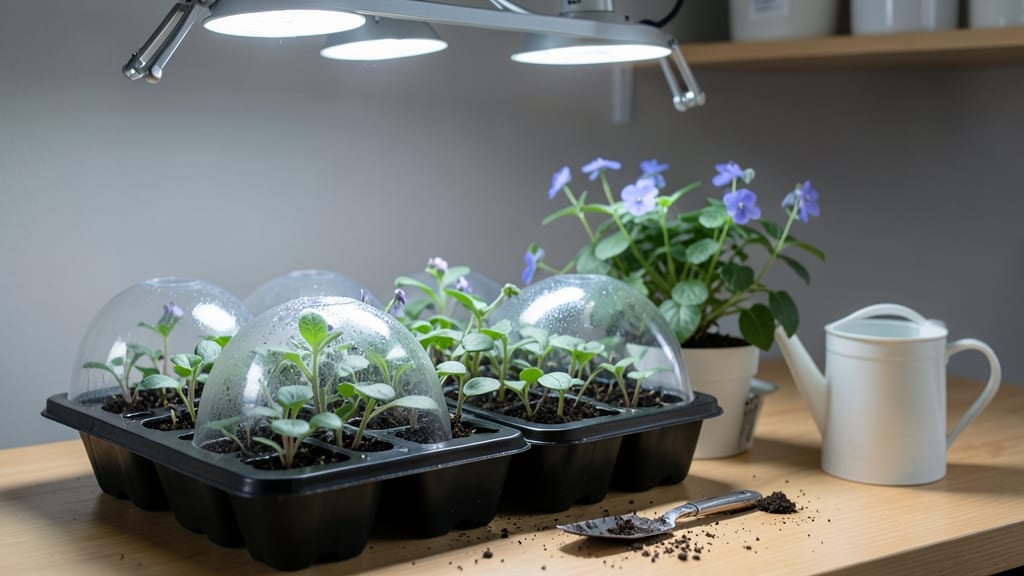
A Zone 7A seed starting calendar aligns planting schedules with your region's last frost date, typically between March 15–April 15. Cool-season crops like lettuce need 6–8 weeks before frost, warm-season varieties like tomatoes 4–6 weeks, and delicate herbs like basil 2–3 weeks. Always factor in seed germination speed and soil warmth for optimal success.
A Zone 7A seed starting calendar isn't one-size-fits-all—your exact timing depends on whether you're starting seeds indoors or sowing directly outdoors. 🌱 Coastal areas may have earlier frost dates than inland spots, while microclimates (like sunny south-facing slopes) can extend growing seasons.
For example, I always start my pepper seeds indoors by February 15 to ensure they mature before summer heat peaks, while radishes can go straight into the ground just 2–3 weeks before the last frost. The key is matching seed needs to your specific climate variations.
Pro tip: Use a seed heat mat for slow starters like okra or eggplant—they need soil temps above 70°F to germinate properly. Always check your local USDA Plant Hardiness Zone map for precise frost date averages, as they can shift yearly. 🔥
💡 In This Article
- Understanding Zone 7A Frost Dates and Microclimates
- Seed-Specific Planting Timelines for Zone 7A Gardens
Understanding zone 7A frost dates and microclimates
Zone 7A covers a diverse range of climates, where frost-free dates can vary dramatically between coastal areas and inland regions.
For example, coastal cities like Charleston, SC, typically see their last frost around March 15, while inland areas like Nashville, TN, may not reach that milestone until April 15. This 3-week difference directly impacts when you should start seeds indoors or sow directly into the garden.
The USDA defines Zone 7A as having an average minimum winter temperature of 0°F to 5°F, but local frost patterns can shift yearly due to weather anomalies.
Microclimates within Zone 7A create even more nuanced planting windows. A south-facing slope might warm up 2-3 weeks earlier in spring than a low-lying valley, allowing for earlier direct sowing of cold-hardy crops like spinach. Conversely, frost pockets in shaded areas can delay planting by 1-2 weeks.
Elevation also plays a role—higher elevations (like those in the Appalachians) experience frost 10-14 days later than lower elevations. These variations explain why gardeners in the same zone often have different planting schedules. 🌿
The last frost date isn't just about avoiding cold snaps—it's about seed viability and plant resilience. Most vegetable seeds won't germinate below 40°F, and young seedlings can be killed by temperatures below 32°F.
That's why cool-season crops like broccoli need 6-8 weeks of indoor head start to reach maturity before the last frost, while warm-season crops like cucumbers require soil temperatures above 60°F to thrive. Using a soil thermometer helps track these critical thresholds for precise planting.
Advanced gardeners often use historical frost data from local weather stations to refine their schedules. For instance, the National Oceanic and Atmospheric Administration (NOAA) tracks frost probabilities, showing that there's only a 10% chance of frost after April 15 in many Zone 7A areas.
This statistical approach lets you take calculated risks with late plantings, like sowing beans or squash in early May. However, always have row covers ready for unexpected late frosts—even in Zone 7A, they can occur as late as May 10 in some years.
Another critical factor is nighttime temperatures. Many warm-season crops struggle when nighttime temps dip below 55°F, which is why basil and tomatoes often need black plastic mulch to retain heat. In contrast, cool-season crops like kale actually prefer cooler nights (50-60°F) for optimal growth.
Understanding these nighttime preferences helps you select planting windows that align with your garden's natural temperature rhythms. 🌙
For accurate planning, combine USDA zone data with your local agricultural extension service's frost records. Many Zone 7A regions have online tools that provide 10-year frost averages, helping you account for both historical patterns and recent climate shifts.
Remember that microclimates can create 1-3 week differences in frost timing within just a few miles—so always scout your garden's specific conditions before finalizing your seed starting calendar.