
Propagation
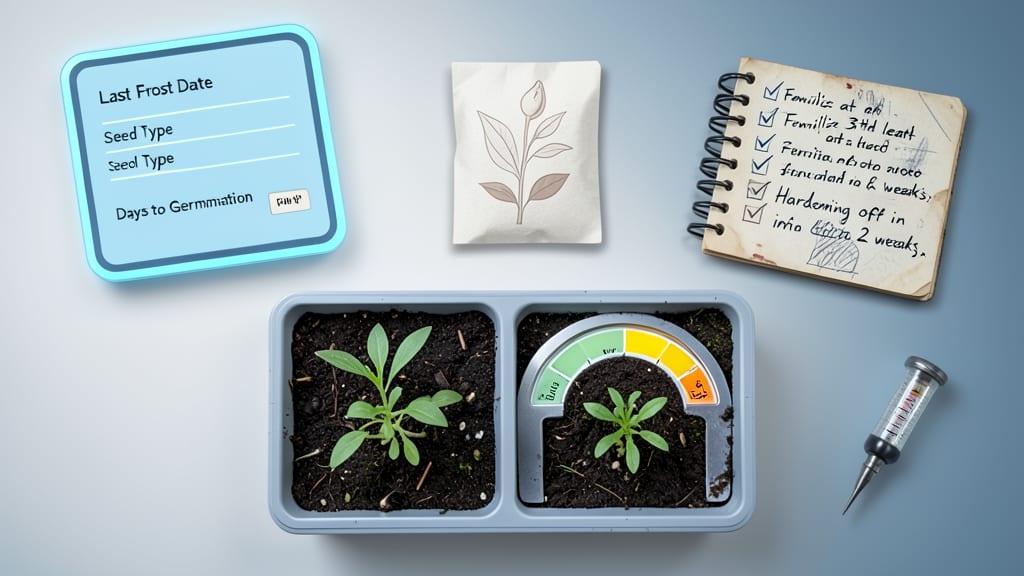
Johnny's seed starting calculator turns guesswork into a foolproof schedule. 🌱 I've wasted entire seasons planting too early or too late—until this tool showed me exactly when to start seeds for my zone and frost dates.
The difference between a thriving garden and a failed experiment often comes down to timing, and this calculator nails it every time.
You'll need just three pieces of information: your last frost date, the days to maturity for your chosen plants, and whether you're starting indoors or outdoors. For example, tomatoes need 60-85 days to mature, so the calculator tells me to start them indoors 8-10 weeks before my last frost.
Peppers, which take 70-90 days, get a slightly later start date—this tool handles all the math for you.
By following the calculator's recommendations, you'll end up with seedlings ready to transplant just as the soil warms up. No more rushed starts or late plants that never catch up. The results? A garden that produces reliably year after year, with fewer failures and more confidence in your planting schedule.
Works for any climate zone, from the deep South to the northern borders of gardening. Whether you're a first-timer or a seasoned grower tweaking your schedule, this tool adapts to your specific conditions. Let's get those seeds started on the right foot!
📚 In This Guide
- What you need
- Instructions
- Tips and common mistakes
- Wrapping up and next steps
What you need
- ● Computer, tablet, or smartphone with internet access to use the blank">Johnny’s Seed Starting Calculator.
- ● Seed packets (ensure they’re labeled with days to germination and hardiness zone recommendations).
- ● Garden planner or notebook to record planting dates, frost risks, and seed varieties.
- ● Local frost date data (check the calculator’s built-in tools or your blank">local almanac for accuracy).
- ● Seedling heat mat ($15–$30) for faster germination in cooler zones.
- ● Grow lights or LED bulbs (12–16 hours/day) for indoor seed starts.
- ● Seedling trays (biodegradable or reusable) with drainage holes.
- ● Soil thermometer ($10–$20) to monitor germination conditions.
- ● Planting schedule app (e.g., Gardenate or Farmers’ Almanac) for backup zone data.
How to use Johnny's seed starting calculator for perfect timing
This tool removes the guesswork from seed starting—just plug in your zone and last frost date.
📅 Step 1: Gather Your Planting Zone and Frost Data
Start by locating your USDA Plant Hardiness Zone—Johnny's calculator maps this for you. If you're unsure, check the USDA's interactive map or use your local cooperative extension service. Next, find your average last frost date for spring and first frost date for fall. These dates vary even within zones due to microclimates—your garden might be 2-3 weeks earlier or later than the norm.
I always cross-reference with my county's historical records, since urban areas can run warmer than rural zones. For example, my Zone 6 garden in the city gets a longer growing season than my rural neighbors. Note these dates precisely—they're the foundation of accurate seed starting.
🌱 Step 2: Select Your Plants and Days to Maturity
Enter each vegetable or flower variety you want to grow, then input the days to maturity from the seed packet. This is the total time from seed to harvest—look for the "days to harvest" number, not the "days to transplant" estimate. For instance, cherry tomatoes might take 60-70 days while broccoli needs 75-90 days.
Here's the thing—don't eyeball these numbers. If a packet says 75 days, use 75 days, not 80. The calculator uses this to determine your exact starting window. I always highlight the longest maturity time for each plant—this ensures I won't be left with immature crops when frost hits.
⏰ Step 3: Calculate Backward from Frost Dates
The calculator does the math for you, but understanding the process builds confidence. For spring planting, subtract the days to maturity from your last frost date to find your ideal transplant window. For fall crops, subtract from your first frost date—just remember to add 10-14 days to account for slower fall growth.
For example, if my last frost is May 15 and I'm growing 60-day tomatoes, I'll transplant around March 16. But if I'm starting from seed, I need to work backward again—most seedlings need 6-8 weeks before transplanting. That means I should start seeds by early February. The calculator handles all these layers automatically once you input your data.
🌿 Step 4: Adjust for Seedling Development Time
Now factor in the weeks until transplant for each variety. Leafy greens like lettuce can go straight from seed to garden in 3-4 weeks, while tomatoes and peppers typically need 6-8 weeks indoors. The calculator shows both your indoor starting date and transplant date—don't skip this step.
I always add a 2-week buffer for slow starters. If your basil seeds take 10 days to germinate but the calculator says start on February 1, I'll begin on January 28. This prevents seedling stress from being planted too late. The buffer also accounts for germination delays in cooler homes or if you're using older seeds.
☀️ Step 5: Verify Light and Temperature Requirements
The calculator includes reminders about light requirements and ideal germination temperatures for each plant. Most seedlings need 14-16 hours of light daily—this is where grow lights become essential unless you have a perfectly south-facing window. Note the calculator's warnings about "long-day" vs. "short-day" plants like spinach or poinsettias.
Temperature matters just as much. Seeds like peppers and eggplants need 75-85°F soil to germinate, while lettuce sprouts best at 60-70°F. If your home runs cooler, the calculator will flag varieties that might struggle. I keep a seedling heat mat handy for these finicky crops—it's worth the investment to avoid wasted seeds.
Tips & tricks for perfect seed starting timing
Precision timing is everything when using Johnny's calculator—these insights will help you avoid common pitfalls and maximize your garden's potential.
Microclimate Matters: While the calculator uses USDA zone averages, your actual frost dates might differ by 2-3 weeks due to local conditions. I always check my county's historical frost records and add a 1-week buffer for extra safety. Urban areas often have longer growing seasons than rural zones, so don't assume your neighbor's data applies to you. This adjustment accounts for heat islands and wind patterns that affect frost timing.
Seed Packet Precision: The calculator relies on the "days to maturity" from seed packets, but here's the thing—these numbers can vary by 10-15 days between brands. I recommend using the longest maturity time listed for each variety to prevent immature harvests. For example, if a tomato packet says 60-70 days, program the calculator for 70 days to ensure you don't get frost-nipped tomatoes. This extra caution pays off when your garden's at stake.
Light Requirements: The calculator highlights the 14-16 hours of daily light most seedlings need, but here's what nobody tells you—light quality matters just as much as duration. South-facing windows provide the best natural light, but if you're using grow lights, choose full-spectrum LED bulbs. I've seen seedlings stretch toward inadequate light sources, creating leggy, weak plants that struggle to transplant. Position lights 2-3 inches above seedlings and adjust as they grow to maintain proper intensity.
Temperature Troubleshooting: The calculator flags ideal germination temperatures like 75-85°F for peppers, but real-world conditions often fall short. If your home runs cooler, use a seedling heat mat ($20 investment) for these finicky crops. For lettuce that prefers 60-70°F, I place trays on top of the fridge to create a cooler microclimate. The key is matching each plant's specific temperature needs—this prevents the common frustration of seeds that won't sprout despite following the calculator's timing perfectly.
Pro Tips for Johnnys Seed Starting Calculator
- Precision timing is everything when using Johnny's calculator—these insights will help you avoid common pitfalls and maximize your garden's potential.
- Microclimate Matters: While the calculator uses USDA zone averages, your actual frost dates might differ by 2-3 weeks due to local conditions.
- Seed Packet Precision: The calculator relies on the "days to maturity" from seed packets, but here's the thing—these numbers can vary by 10-15 days between brands.
Frequently asked questions
Got questions about timing your seed starts with Johnny’s Seed Starting Calculator? We’ve got answers!
Whether you’re a first-time gardener or a seasoned green thumb, these FAQs will help you avoid common pitfalls and maximize your success. Let’s dive in!
How does the calculator determine the best seed starting dates for my zone?
The calculator uses your USDA Hardiness Zone and last frost date to estimate the ideal window for starting seeds indoors or outdoors. It accounts for seed maturity timelines and local frost risks—just plug in your zone, and it does the math for you! For accuracy, always double-check your frost dates with local weather sources.
What if I don’t know my last frost date?
No worries! The calculator includes a default frost date based on your zone, but you can adjust it if you have historical data. For a rough estimate, check resources like the Old Farmer’s Almanac or ask your local extension office. Precision pays off—especially for heat-loving plants like tomatoes!
Can I use this calculator for both indoor and outdoor seed starting?
The tool generates two key dates: when to start seeds indoors (for transplanting) and when to sow directly outside. It even factors in seedling age and days to maturity to ensure your plants are ready for the garden. Pro tip: For cold-hardy crops like peas or spinach, outdoor sowing might be your best bet!
What should I do if my seeds aren’t germinating on time?
First, check your seed viability—test a few in warm, moist paper towels for 24 hours. If they’re good, troubleshoot with these steps:
- Temperature: Most seeds need 65–75°F (use a seedling heat mat if needed).
- Moisture: Keep soil consistently damp (not soggy) with a spray bottle.
- Light: Provide 12–16 hours of light daily (grow lights work best).
- Depth: Plant seeds at the depth listed on the packet—too deep = delayed germination.
Does the calculator work for regions outside the U.S.?
The calculator is optimized for U.S. zones and frost dates, but you can still use it as a rough guide for other regions. For non-U.S. gardeners, research your country’s equivalent frost zones (e.g., Canada’s climate data) and adjust the frost date manually. Local gardening forums are a goldmine for regional tips!
Wrapping up and next steps
Mastering seed starting is all about timing—and with Johnny’s Seed Starting Calculator, you’ve got the perfect tool to turn guesswork into success!
Whether you’re a seasoned gardener or just beginning, precise planting dates tailored to your zone and frost risk set you up for thriving seedlings and bountiful harvests. 🌱
Ready to dive in? Bookmark the calculator, jot down your notes, and start planning your garden layout—your future plants will thank you!