
Propagation
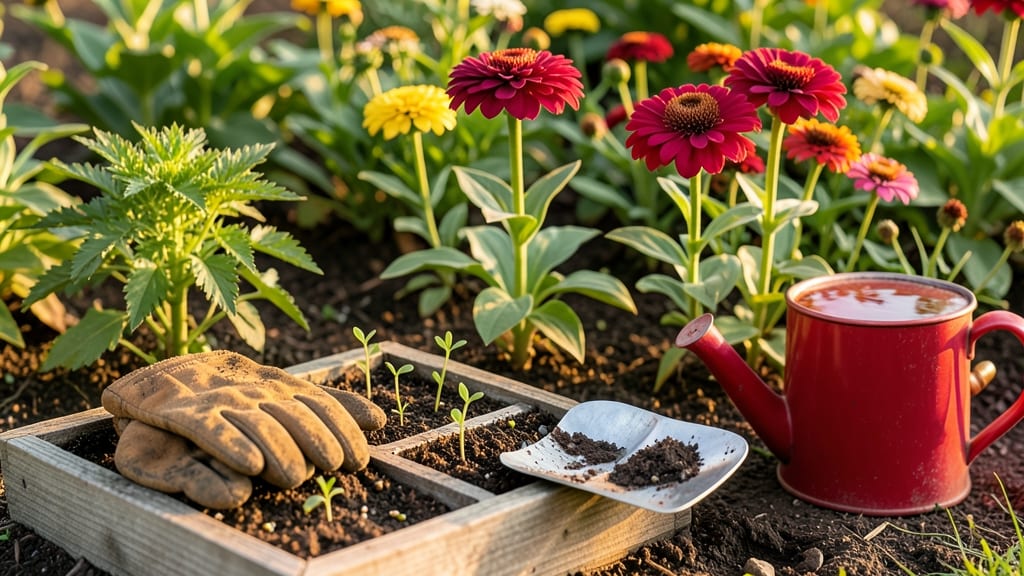
Growing zinnias from seed to bloom is the fastest way to turn a patch of soil into a riot of color—60 days from seed to those showstopping blooms that hummingbirds can't resist. 🌻 I've grown zinnias for years, and the secret to avoiding leggy, twisty stems isn't complicated: it's all about light, spacing, and a little patience.
Most beginners overwater or crowd their seedlings, which leads to those sad, stretched-out plants. But with the right approach, you'll end up with sturdy stems packed with blooms that last all summer.
The beauty of zinnias is how forgiving they are—even beginners get bold, vibrant blooms with minimal effort. You'll need a sunny spot (at least 6-8 hours of light daily), well-draining soil, and seeds that aren't older than a year (fresh seeds germinate faster).
The key is starting indoors 4-6 weeks before your last frost if you live in a cooler climate, or direct-sowing outdoors once the soil warms to 60°F. Once those first true leaves appear, you're on your way to a garden that looks like a postcard.
By the time you're pinching back leggy stems and deadheading spent blooms, you'll have a nonstop flower show that keeps giving until frost. The flowers themselves are edible (yes, really!), attract pollinators like crazy, and come in colors that range from fiery red to deep purple.
The best part? Zinnias reseed themselves, so you'll have volunteer plants popping up next year without any extra work on your part.
Whether you're growing in full sun beds, containers, or even hanging baskets, zinnias adapt easily. Just remember: thin your seedlings to 3-4 inches apart for the best airflow and bloom production, and always water at the base to keep those petals dry.
Troubleshooting is simple—most issues come from overcrowding or inconsistent watering, but once you nail those basics, you're golden.
📚 In This Guide
- What you need
- Instructions
- Tips and common mistakes
- Wrapping up and next steps
What you need
- ● Zinnia seeds: 1 packet (choose a variety like ‘Benary’s Giant’ or ‘Profusion’ for big, showy blooms).
- ● Seed-starting mix: 1 bag (lightweight, sterile potting soil—avoid garden soil to prevent disease).
- ● Containers: 2–3 small seed trays or biodegradable pots (2–3 inches deep).
- ○ Optional: A seed-starting kit with heating mat for faster germination.
- ● Watering can or spray bottle: With a fine mist nozzle (overwatering is the #1 enemy of seeds!).
- ● Grow lights or sunny windowsill: Zinnias need 6–8 hours of light daily to thrive.
- ● Plant labels: Small markers or popsicle sticks to track varieties.
- ● Fertilizer: Balanced liquid fertilizer (5-10-5 ratio) for seedlings once they sprout.
- ● Transplanting supplies: Garden trowel or small shovel.
- ● Compost or aged manure (1–2 cups per planting hole for nutrients).
- ○ Optional (but helpful!): Plant clippers for deadheading.
- ● Row covers or shade cloth (to protect young plants from pests or harsh sun).
- ● Warm soil (zinnias love heat—wait until nighttime temps stay above 50°F (10°C)).
- ● Full sun spot (6+ hours of direct sunlight daily).
- ● Patience (and maybe a fun playlist—60 days flies by! 🎶).
Step-by-step instructions for growing zinnias from seed to bloom
Here's how I grow zinnias that burst into bold color in just 60 days—no finicky tricks required.
🌱 Step 1: Start Seeds Indoors or Direct-Sow After Frost
Zinnias thrive when sown directly in the garden after all danger of frost has passed. I wait until soil temperatures reach at least 55°F—my zone 7 garden hits this around mid-April. For earlier blooms, start seeds indoors 6-8 weeks before your last frost date using 2-3 inch deep biodegradable pots filled with seed-starting mix.
Press 1-2 seeds per cell just beneath the soil surface—zinnias need light to germinate, so don't bury them deeply. Mist gently with water until the mix feels evenly damp but not soggy. Place pots in a warm spot (70-75°F) and cover with a humidity dome or plastic wrap until germination, which typically occurs in 5-10 days.
☀️ Step 2: Provide Full Sun and Consistent Moisture
Zinnias demand 6-8 hours of direct sunlight daily—no compromise here. I plant mine in a south-facing bed where they'll receive morning sun and afternoon light. If growing in containers, place them where they won't be shaded by taller plants. You'll see seedlings emerge with first true leaves in about 7-10 days after sowing.
Water at the soil level, keeping the top 1-2 inches consistently moist but never waterlogged. Overhead watering can spread fungal diseases, so I use a watering wand to direct streams at the base. Once seedlings reach 2-3 inches tall, thin to the strongest plant per cell—crowding leads to leggy, weak stems that flop under heavy blooms.
✂️ Step 3: Fertilize Lightly and Deadhead Regularly
Feed zinnias with a balanced, water-soluble fertilizer (10-10-10) diluted to half-strength every 2-3 weeks starting when they're 4-6 inches tall. Too much nitrogen produces lush foliage but few flowers—this is a common mistake. I switch to a low-nitrogen, high-phosphorus formula (5-10-10) once buds form to encourage blooming.
Deadheading spent blooms 2-3 times weekly is non-negotiable—it removes seed heads that signal the plant to stop producing flowers. Use clean pruners or pinch flowers off by hand. You'll notice new buds forming within 3-5 days of deadheading, proving this keeps the plant in continuous bloom mode. For cut flowers, harvest stems in the early morning when buds are just opening.
🌿 Step 4: Watch for Pests and Provide Support
Spider mites and aphids love zinnias, so I inspect plants weekly for webbing or sticky residue on leaves. A strong spray of water usually dislodges pests, but severe infestations may require neem oil. I also stake taller varieties like 'Benary's Giant' with 5-6 foot bamboo stakes inserted at planting to prevent flopping under heavy blooms.
Zinnias are annuals, so they'll self-seed prolifically if left to go to seed. If you want to control volunteer plants next season, snip off seed heads before they brown. For a second flush of blooms, cut back plants by half their height after the first frost—you'll often get a surprise round of color before winter sets in.
Tips & tricks for bold zinnia blooms
Took me years to perfect these tricks after watching zinnias struggle—here's what actually works for vibrant, long-lasting blooms.
Germination Boost: The key to those 5-10 day germination times lies in consistent moisture and warmth. After planting your 1-2 seeds per cell, place pots in a clear plastic bag with a few drops of water inside—this creates a mini greenhouse effect. Check daily and remove condensation to prevent mold. I've found that using a heating mat set to 75°F speeds germination to the 5-day mark, especially in cooler climates.
Sunlight Strategy: Those 6-8 hours of direct sunlight are non-negotiable, but timing matters. Plant zinnias where they'll receive morning sun and afternoon light—this prevents afternoon wilting. In hot climates, provide afternoon shade during peak summer heat (12-3pm) to prevent leaf scorch while still getting full sun exposure. I've seen zinnias in full afternoon sun develop crispy edges while those with morning shade remained lush.
Thinning Technique: When thinning seedlings to 2-3 inches tall, use clean scissors to snip at soil level rather than pulling. This prevents disturbing the roots of remaining plants. I've found that thinning to one strong seedling per cell reduces competition and results in stems that can support 5-6 foot blooms without flopping. The extra seedlings can be transplanted to fill gaps in your garden beds.
Fertilizer Timing: The switch from 10-10-10 to 5-10-10 fertilizer when buds form is crucial. I've noticed that zinnias fed with high-nitrogen fertilizer too long produce beautiful foliage but few blooms. Make the switch when you see the first flower buds appear—this signals the plant to focus energy on blooming rather than leaf growth. Apply fertilizer in the morning so plants have time to absorb nutrients before evening.
Pro Tips for Zinnias From Seed To Bloom
- Took me years to perfect these tricks after watching zinnias struggle—here's what actually works for vibrant, long-lasting blooms.
- Germination Boost: The key to those 5-10 day germination times lies in consistent moisture and warmth.
- Sunlight Strategy: Those 6-8 hours of direct sunlight are non-negotiable, but timing matters.
Frequently asked questions
Got questions about growing zinnias from seed to those show-stopping blooms? You’re not alone! Here are answers to the most common queries—no fluff, just fast fixes and pro tips to keep your zinnias thriving.
How long does it take for zinnia seeds to germinate?
Zinnia seeds typically sprout in 5–10 days after planting, given warm soil (at least 60°F/15°C) and consistent moisture. For speedy results, soak seeds overnight before sowing or use a heat mat. Patience pays off—some stubborn seeds may take up to 14 days!
Do zinnias need full sun to bloom?
Zinnias are sun-worshippers and thrive in 6+ hours of direct sunlight daily. While they can tolerate partial shade (especially in hot climates), blooms will be sparser and leggier. Plant them where they’ll bask in morning sun and afternoon light for the most vibrant displays.
Why aren’t my zinnias blooming—just lots of green leaves?
Overly leafy zinnias often signal one of three issues:
- Not enough light: Move to a sunnier spot ASAP.
- Over-fertilizing: Too much nitrogen = lush foliage, few flowers. Use a low-nitrogen, high-phosphorus fertilizer instead.
- Leggy growth: Pinch back stems early to encourage bushier plants.
Can I grow zinnias in containers? What’s the best pot size?
Zinnias adapt beautifully to containers! Choose pots at least 6–12 inches deep (deeper for taller varieties like ‘Benary’s Giant’) with drainage holes. Use a lightweight potting mix and space seeds 6–12 inches apart. Dwarf zinnias (like ‘Thumbelina’) thrive in 5-gallon pots or larger.
Are zinnias deer- or rabbit-resistant? What pests should I watch for?
Zinnias are deer- and rabbit-resistant (their fuzzy foliage isn’t their favorite snack), but pests like aphids, spider mites, and Japanese beetles may crash the party. Spray off pests with water or use neem oil for organic control. Pro tip: Interplant with marigolds to deter beetles naturally!
Can I save zinnia seeds from my garden for next year?
Yes! Let some blooms go to seed (the dried flower heads will turn papery brown). Snip off the head, shake out seeds, and store them in a cool, dry place for up to 2 years. Bonus: Seeds from hybrid zinnias may not grow “true” to type, but they’ll still produce colorful surprises!
Wrapping up and next steps
Growing zinnias from seed to bloom is a rewarding, fast-paced adventure—packed with vibrant color and minimal fuss! With the right soil, sunlight, and a little patience, you’ll enjoy bold blooms in just 60 days without the usual growing headaches. 🌸
Now that you’re armed with the know-how, roll up your sleeves and plant those seeds! Start small, experiment with varieties, and soon, your garden will be a riot of cheerful zinnias. Next up? Share your progress or dive into advanced care tips to keep those blooms thriving all season!