
Propagation
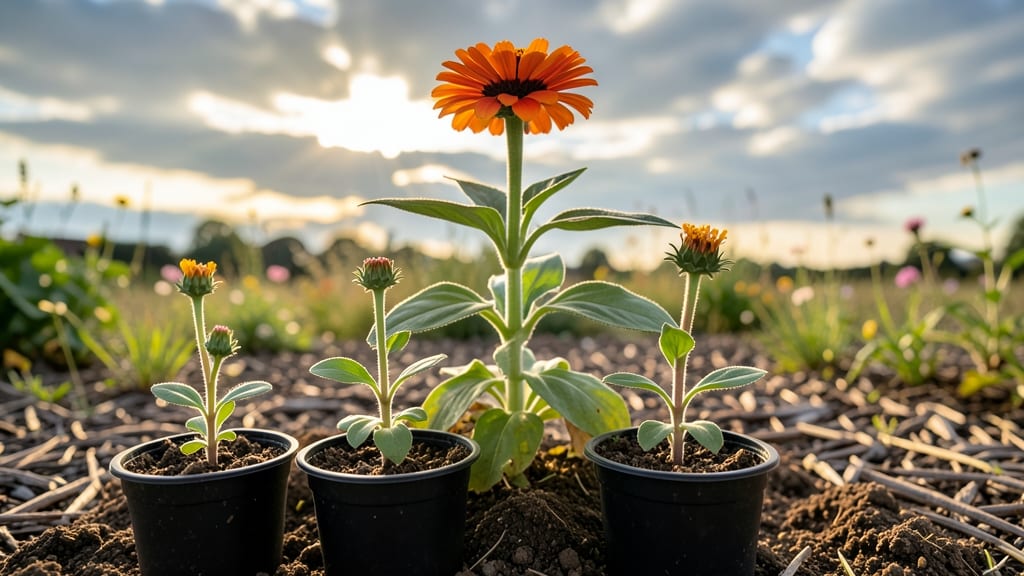
Growing zinnias from seed to flower in just 60 days feels like magic—especially when you see those bold blooms popping up where bare soil was weeks before. 🌻 I’ve watched my first zinnias go from tiny specks in seed trays to towering, vibrant stems in the space of two months, and it’s the fastest gratification in the garden.
The secret isn’t luck; it’s timing, soil, and a little patience to let nature do the heavy lifting.
You’ll need a sunny spot (at least 6 hours of direct light daily), well-draining soil, and seeds that match your climate—cool-season varieties for early blooms or heat-tolerant types for summer-long color. Most beginners skip soil prep, but amending with compost or a slow-release fertilizer makes all the difference.
Once planted, consistent watering (not drowning) and a light pinch of blooms keeps them producing until frost.
By day 60, you’ll have a garden bursting with cheerful, long-lasting blooms that cut fresh for weeks. The key is deadheading spent flowers—it’s the one step that keeps zinnias blooming nonstop.
Even if pests like aphids show up, a strong spray of water usually sends them packing, and zinnias bounce back faster than most annuals.
This method works for containers, raised beds, or in-ground plots, and the same principles apply whether you’re growing zinnias for cut flowers or just to brighten up the garden. Once you’ve done it once, you’ll never buy zinnia seedlings again—they’re too easy (and too rewarding) to grow from seed.
📚 In This Guide
- What you need
- Instructions
- Tips and common mistakes
- Wrapping up and next steps
What you need
- ● Zinnia seeds: Choose heirloom or hybrid varieties (e.g., 'Benary’s Giant,' 'Profusion,' or 'Crystal'). Buy 1 packet (50–100 seeds) for a full-season display.
- ● Seed-starting mix: 1–2 cubic feet of sterile, well-draining potting soil (avoid garden soil—it’s too dense!).
- ● Containers: Seed trays or pots: 4–6" deep with drainage holes (use 12–24 cells or small pots for individual seedlings).
- ○ Grow bags or biodegradable pots (optional): For easy transplanting—just pop them into the ground!
- ● Watering can or spray bottle: With a fine rose attachment to keep seeds moist without disturbing them.
- ● Trowel or spoon: For gently pressing seeds into soil (no deep planting needed!).
- ● Plant labels: 10–20 labels to track varieties (or use popsicle sticks + markers!).
- ○ Heat mat (optional): Speeds up germination if starting indoors in cool climates.
- ○ Grow lights (optional): 12–16 hours of light daily for indoor starts (LED or fluorescent bulbs work).
- ● Fertilizer: Starter fertilizer: Water-soluble, low-nitrogen (e.g., 5-10-5 ratio).
- ● Balanced fertilizer (for transplanting): 10-10-10 or 20-20-20, diluted to half-strength.
- ● Sunny spot: 6+ hours of direct sunlight daily (zinnias thrive in full sun!).
- ● Garden soil (if direct-sowing): Loosen soil to 12" deep and amend with compost for better drainage.
- ○ Mulch (optional): Straw or shredded leaves to retain moisture and suppress weeds.
- ○ Stakes or cages (optional): For taller varieties (e.g., 'Benary’s Giant') to prevent flopping.
Step-by-step instructions for growing zinnias from seed to flower
Here's how to coax vibrant zinnias from seed to bloom in just 60 days—no fancy equipment needed.
🌱 Step 1: Start Seeds Indoors at the Right Time
Zinnias thrive when sown 4-6 weeks before your last frost date. I like to use biodegradable pots filled with seed-starting mix, planting 2-3 seeds per cell at a depth of ¼ inch. Press them gently into the soil—too deep and they’ll struggle to emerge. Cover with a humidity dome or plastic wrap to trap warmth and moisture.
Place the pots in a warm spot (70-75°F) until germination, which typically happens in 5-10 days. Watch for the first green shoots pushing through the soil—this is your cue to remove the dome immediately. Overwatering now can cause damping-off, a fungal disease that collapses seedlings overnight.
☀️ Step 2: Provide Bright Light and Prevent Leggy Growth
Once seedlings emerge, move them to a south-facing window or under a grow light for 14-16 hours of light daily. Without enough light, seedlings stretch toward the sun (leggy growth), and they’ll never recover. Keep the light 2-4 inches above the plants and raise it as they grow.
You’ll know your zinnias are getting the right light when they develop deep green leaves and compact spacing between nodes. If stems look thin and leaves pale, your light is too weak. Rotate the pots weekly so plants grow straight instead of leaning toward the window.
🪴 Step 3: Harden Off and Transplant Outdoors
Two weeks before your last frost, start hardening off seedlings by placing them outside in a sheltered, shaded spot for 1-2 hours the first day. Gradually increase outdoor time by 1 hour daily over 10-14 days. This toughens their skin and prepares them for full sun.
Transplant seedlings outdoors after all danger of frost has passed, spacing them 6-12 inches apart depending on the variety. Bury them slightly deeper than their original pots—zinnias have strong stems that’ll support themselves once established. Water deeply at the base to settle the soil and encourage root growth.
💧 Step 4: Water and Fertilize for Fast, Vibrant Blooms
Zinnias love consistent moisture but hate soggy soil. Water at the base 1-2 inches deep when the top inch of soil feels dry. Avoid wetting the leaves to prevent fungal diseases like powdery mildew. Mulch around the base with 1-2 inches of organic mulch to retain moisture and suppress weeds.
Feed zinnias with a balanced liquid fertilizer (10-10-10) every 2-3 weeks once they’re established. You’ll see the difference in 7-10 days—plants will perk up, and buds will form faster. Deadhead spent blooms regularly to encourage more flowers and prolong the season.
✂️ Step 5: Maintain and Enjoy Your Fast-Blooming Garden
Zinnias are low-maintenance once established, but they reward attention. Pinch back the tips of young plants to encourage bushier growth. If stems flop in heavy blooms, stake them or use a cage support to keep them upright.
Harvest flowers in the morning when they’re fully open for the longest vase life. Cut stems at a 45-degree angle just above a leaf node to encourage branching. With proper care, your zinnias will bloom nonstop from early summer until frost, giving you vibrant color and pollinator-friendly blooms all season long.
Tips & tricks for growing zinnias from seed to flower
Real talk—growing zinnias from seed is one of the most rewarding gardening experiences, but timing and technique make all the difference. These tips will help you avoid common pitfalls and get those vibrant blooms in record time.
Timing is Everything: The 4-6 week window before your last frost isn't just arbitrary—it's based on zinnias' love for warm soil. If you're in a cooler climate, consider using a seedling heat mat (70-75°F) to speed up germination. I've seen germination times cut in half when using one, especially in spring when indoor temps fluctuate. The faster those first sprouts appear, the sooner you can get them under proper light conditions.
Lighting Secrets: That 14-16 hours of daily light requirement is non-negotiable for preventing leggy seedlings. If your south-facing window isn't cutting it, invest in a basic LED grow light—even a 10-watt bulb on a timer will work wonders. Place it just 2-3 inches above seedlings and raise it weekly. I've had zinnias grow straight as arrows with this simple setup, while others in dimmer conditions stretch like overcooked noodles.
Transplanting Pro Tip: When hardening off seedlings, I like to add a light shade cloth during the final 3-4 days to simulate outdoor conditions. This helps toughen leaves without shocking the plants. Also, transplant on a cloudy day or late afternoon—you'll notice less stress and faster establishment. The deeper you bury those stems (up to the first true leaves), the stronger the root system becomes.
Fertilizer Timing: Those 2-3 weeks between feedings might seem like a long wait, but zinnias actually prefer less frequent feeding to more. I've found that applying fertilizer right after watering prevents root burn. And here's a little secret: mix a teaspoon of Epsom salt into your fertilizer solution every other feeding—it boosts magnesium for even more vibrant blooms.
Pro Tips for Zinnia From Seed To Flower
- Real talk—growing zinnias from seed is one of the most rewarding gardening experiences, but timing and technique make all the difference.
- Timing is Everything: The 4-6 week window before your last frost isn't just arbitrary—it's based on zinnias' love for warm soil.
- Lighting Secrets: That 14-16 hours of daily light requirement is non-negotiable for preventing leggy seedlings.
Frequently asked questions
Got questions about growing zinnias from seed? You’re not alone! Here are answers to the most common queries—so you can grow stunning blooms with confidence.
How long does it take for zinnia seeds to germinate?
Zinnia seeds typically sprout in 5–10 days after planting, especially in warm soil (at least 60°F). Keep the soil consistently moist but not soggy, and place the tray in a sunny spot or under grow lights. Pro tip: Use a heat mat if your space is chilly—it can speed up germination by 2–3 days!
Can I plant zinnia seeds directly in the garden, or should I start indoors?
Both work! For faster blooms, start seeds indoors 4–6 weeks before your last frost date, then transplant seedlings outside after hardening off. For direct sowing, wait until soil is warm (55°F+) and plant seeds ¼-inch deep. Note: Direct-sown zinnias may take slightly longer to flower but are less prone to transplant shock.
Why aren’t my zinnia seedlings sprouting? Troubleshooting tips?
If seeds aren’t germinating, check these fixes:
Cold soil? Zinnias need warmth—try a seedling heat mat or move pots to a sunnier window.
Too wet/dry? Keep soil consistently moist (not drenched) and avoid letting it dry out.
Old seeds? Zinnia seeds lose viability after 1–2 years—test a few in a damp paper towel first.
Depth issue? Plant seeds ¼-inch deep; deeper planting can delay or prevent sprouting.
Still stuck? Try a fresh batch of seeds—zinnias are cheap and easy to replace!How do I prevent zinnias from bolting or flopping over?
Bolting (premature flowering) or flopping happens when zinnias grow too tall without support. Prevent it with these tips:
- Deadhead regularly to encourage bushier growth.
- Use stakes or cages (4–6 inches tall) when seedlings are 3–4 inches high.
- Avoid overcrowding—space plants 8–12 inches apart for airflow.
- Water at the base (not overhead) to keep stems sturdy.
What can I do with extra zinnia seeds or flowers?
Zinnias are versatile! Try these ideas:
- Save seeds for next year—let a few flowers dry on the stem, then shake out seeds.
- Dry flowers for potpourri or crafts (hang upside down in a dark, dry place).
- Share cuttings with friends—zinnias make cheerful bouquets!
- Feed pollinators—zinnias attract bees, butterflies, and hummingbirds!
Wrapping up and next steps
Growing zinnias from seed to flower is a rewarding journey that brings vibrant color to your garden in just 60 days! 🌸 With the right soil, sunlight, and care, you’ll enjoy stunning blooms that attract pollinators and brighten your space.
Whether you’re a beginner or seasoned gardener, these cheerful flowers are a fantastic way to practice patience and creativity.
Now that you’re armed with tips and tricks, why not experiment? Try growing different zinnia varieties or even combining them with other fast-blooming flowers for a showstopping display. Happy planting—your garden will thank you! 🌱✨