
Lawn
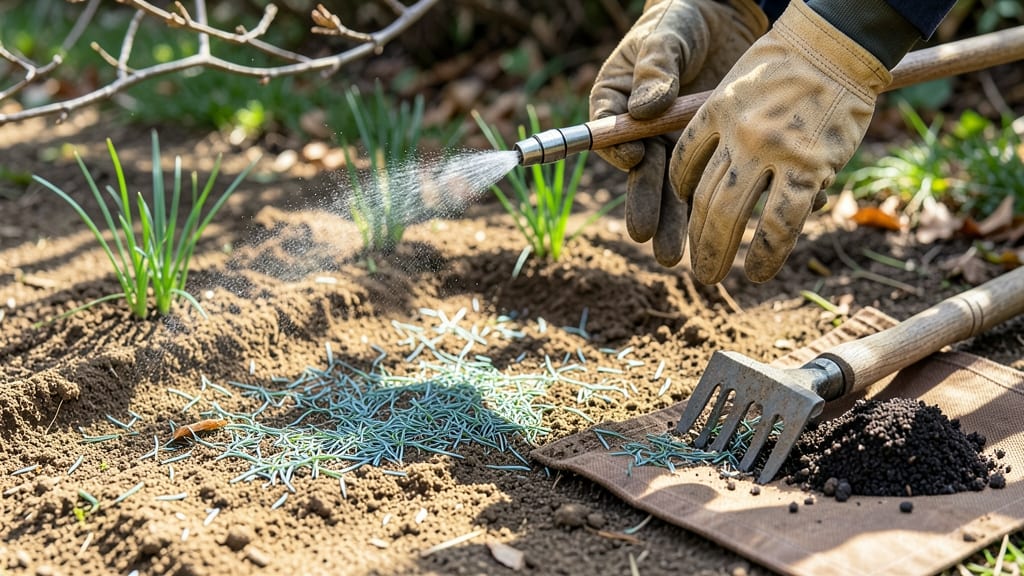
Fall grass seed will grow—and often outperform spring plantings if you time it right. 🌱 The cooler weather and consistent rainfall create ideal conditions for germination, but getting the timing wrong means waiting until spring to enjoy your lawn.
Here's the thing: fall planting works best when soil temperatures stay between 50-65°F for at least 6 weeks after seeding. That window opens in early September in warmer climates and stretches until mid-October in cooler zones. The key is getting seeds in the ground before the first hard frost.
You'll end up with a thicker, more drought-resistant lawn because fall seedlings establish deep roots before winter. Weeds compete less, and the spring flush of growth gives you a head start on summer heat. Just watch for late-season weeds and keep watering steady until germination.
Spring planting has its place, but fall delivers faster results with less maintenance—if you nail the timing. Here's how to make it work in your zone.
📚 In This Guide
- What you need
- Instructions
- Tips and common mistakes
- Wrapping up and next steps
What you need
- ● Grass seed: Choose a cool-season variety (e.g., tall fescue, Kentucky bluegrass, or perennial ryegrass) for fall planting. Aim for 5–10 lbs per 1,000 sq ft, depending on your lawn’s condition.
- ○ Lawn soil: 1–2 inches of topsoil or compost to improve seed-to-soil contact (optional but highly recommended).
- ● Starter fertilizer: A low-nitrogen blend (e.g., 10-10-10 or 20-20-20) with phosphorus and potassium to boost root growth. Use ½ lb per 100 sq ft.
- ● Seed spreader: A broadcast or drop spreader for even distribution (rent or buy for ~$20–$50).
- ● Rake: A garden rake (with metal tines) to loosen soil and smooth the surface.
- ● Lawn mower: Set to 1–2 inches high to avoid scalping the lawn before seeding.
- ● Water source: A hose with a sprinkler head or soaker hose for gentle, consistent watering.
- ○ Straw or mulch: ¼–½ inch of straw (not hay!) to protect seeds from birds and retain moisture (optional but helpful).
- ● Weather check: Plant when daytime temps are 60–75°F and nighttime temps stay above 50°F (ideal: September–October in most U.S. zones).
- ● Soil test: Ensure pH is 6.0–7.0 (adjust with lime or sulfur if needed).
- ● Weed control: Kill existing weeds with glyphosate (if needed) 2–4 weeks before planting.
- ● Time commitment: Plan for 10–15 minutes per 100 sq ft for prep + seeding.
Step-by-Step instructions for fall grass seed germination
Fall planting actually gives grass seeds the best shot at strong roots before winter—here’s how to make it work.
☀️ Step 1: Time Your Planting for Ideal Fall Conditions
Cool weather between 60-75°F and 4-6 weeks before first frost is perfect for grass seed germination. Check your local frost date first—planting too early means seeds may sprout and then die in a late heatwave, while planting too late leaves them vulnerable to winter. I always aim for mid-September in most climates, but adjust based on your region’s patterns.
Watch for consistent overnight temperatures below 60°F as your signal to stop planting. Grass seeds need that cool-down to trigger germination without stress. If your area gets unpredictable fall weather, err on the earlier side—seeds can stay dormant in the soil for weeks until conditions improve.
🌱 Step 2: Prepare the Soil for Maximum Seed Contact
Rake the soil surface until it’s firm and free of debris, creating a fine, crumbly texture. Grass seeds need direct contact with soil to germinate, so any rocks, sticks, or thick thatch will block them. I use a stiff-bristled rake to break up compacted areas gently—don’t till too deeply, as that can bring up weed seeds you’ll regret later.
Test the soil moisture by squeezing a handful—it should hold together slightly but not be soggy. If it’s too dry, water lightly the day before planting so the top 2-3 inches are moist but not saturated. The goal is for seeds to soak up water immediately upon contact without floating away or washing into clumps.
💧 Step 3: Spread and Cover Seeds Evenly
Use a broadcast spreader for large areas or a simple hand-spreading motion for small patches—walk in a grid pattern to avoid missing spots. Aim for 10-15 seeds per square inch, but don’t obsess over perfect uniformity. Grass seeds are resilient, and a little variation won’t hurt the final lawn. Lightly rake the area again to press seeds into the soil, ensuring ¾ inch of coverage at most.
Water immediately after planting with a fine mist setting on your sprinkler until the soil is damp 1 inch deep. This first watering is critical—it washes seeds deeper into the soil and starts the germination process. Keep the soil moist (not wet) for the next 2-3 weeks; let the top inch dry slightly between waterings to prevent fungal issues.
⏰ Step 4: Maintain Moisture and Monitor Growth
Grass seeds need consistent moisture to germinate, but overwatering suffocates them. Water early in the morning to reduce evaporation and fungal risks. You’ll see first green shoots in 7-21 days, depending on the grass type—cool-season grasses like fescue and ryegrass sprout faster than warm-season varieties planted in fall.
Once seedlings reach 2-3 inches tall, reduce watering slightly but keep the soil moist. This encourages deeper root growth before winter. Avoid walking on new grass until it’s 3-4 inches tall—those tiny roots are fragile and can be easily damaged. If your area gets a hard frost, cover the area lightly with straw or a frost blanket to protect tender new growth.
🌿 Step 5: Transition to Winter Care
As temperatures drop below 50°F at night, grass growth slows naturally—this is normal. Reduce watering to once every 10-14 days unless there’s a prolonged dry spell. Overwatering in winter leads to rot and disease. Mow only if grass grows more than 3 inches, and raise the mower blade to 3-4 inches to protect roots.
In early spring, before new growth appears, rake away any thatch or debris that accumulated over winter. This clears space for fresh air and sunlight to reach the soil. If you see bare spots in spring, overseed those areas in early fall again—the cycle begins anew.
Tips & tricks for perfect fall grass germination
Fall planting isn't just possible—it's the secret to a lush lawn next spring. Here's how to avoid common pitfalls and maximize your success.
Timing is Everything: The 60-75°F window is your sweet spot for germination, but don't stress about hitting it perfectly. Grass seeds can remain dormant for weeks until conditions improve, so planting 4-6 weeks before frost gives them flexibility. I've seen seeds planted in early October still germinate successfully when temperatures dip below 60°F at night—just be prepared for slower initial growth. Monitor your local weather patterns closely for the best window.
Soil Prep Secrets: When preparing your soil in Step 2, focus on creating a fine, crumbly texture that mimics seedbed conditions. I've found that gently aerating compacted areas with a garden fork (rather than tilling) prevents disturbing dormant weed seeds while improving seed-to-soil contact. For clay-heavy soils, work in a thin layer of compost to improve drainage—this prevents waterlogging that can suffocate seeds during those critical first 2-3 weeks.
Watering Wisdom: The immediate post-planting watering in Step 3 is where most failures happen. Use a rain gauge to measure your sprinkler output—you want exactly 1 inch of water penetration, not just surface moisture. I recommend watering in short sessions (10-15 minutes) every 2-3 days rather than one long soaking, which helps prevent crusting. For larger areas, consider using a soaker hose to deliver water directly to the soil surface where seeds are concentrated.
Frost Protection: When temperatures approach freezing in Step 4, cover new seedlings with a lightweight frost blanket rather than heavy mulch. The blanket allows sunlight to penetrate while protecting against cold snaps. I've used this technique successfully with seedlings as young as 1 inch tall—just remember to remove it during the day to prevent overheating. This simple step can mean the difference between winter survival and spring regrowth.
Pro Tips for Will Grass Seed Grow In The Fall
- Fall planting isn't just possible—it's the secret to a lush lawn next spring.
- Timing is Everything: The 60-75°F window is your sweet spot for germination, but don't stress about hitting it perfectly.
- Soil Prep Secrets: When preparing your soil in Step 2, focus on creating a fine, crumbly texture that mimics seedbed conditions.
Frequently asked questions
Got questions about growing grass seed in the fall?
You’re not alone! Here are answers to the most common concerns—so you can tackle your lawn with confidence and ease.
What’s the best fall temperature range for grass seed to germinate?
Most cool-season grasses thrive when soil temps are between 50–65°F (10–18°C). Warm-season grasses, like Bermuda or Zoysia, prefer 80–90°F (27–32°C)—so avoid seeding them in fall unless your climate is unusually warm. Check your local weather for ideal timing!
How long does it take for grass seed to grow in the fall?
Germination time varies by grass type:
- Cool-season grasses (Fescue, Ryegrass, Bluegrass): 7–21 days
- Warm-season grasses (Bermuda, St. Augustine): 14–30 days (if seeded late fall in warm zones)
Keep soil moist and watch for tiny sprouts—they’ll grow faster in consistent fall temps than in scorching summer heat!
Does fall grass seed need rain, or can I water it manually?
Yes! Grass seed needs 1–1.5 inches of water daily (or 0.25 inches every 2–3 days) to germinate. If rain doesn’t cooperate, use a gentle sprinkler early in the morning to avoid fungal risks. Aim for deep but light watering—like a slow drizzle, not a downpour.
Will weeds or pests ruin my fall grass seed before it grows?
Fall is actually a weed-friendly time, but pre-emergent herbicides (applied before seeding) can help. For pests like birds or rodents, try:
- Cover seed lightly with straw or netting.
- Use a repellent spray (like hot pepper wax) if critters are a problem.
Monitor your lawn—fall pests are less aggressive than summer invaders!
Can I overseed an existing lawn in the fall, or do I need to reseed bare spots?
Both work! For overseeding (thickening thin lawns), mow short, aerate, and spread seed evenly. For bare spots, rake soil lightly, add compost, and sow seed directly. Fall’s mild weather helps both methods—just avoid heavy foot traffic until grass is 3–4 inches tall.
Wrapping up and next steps
Growing grass seed in the fall is absolutely doable—and often more successful than spring planting! 🌱 With cooler temperatures, fewer weeds, and ample moisture, your lawn has a great shot at thriving.
Just remember to prep your soil, choose the right seed, and stay patient as roots establish over time.
Ready to take action? Mark your calendar for early fall (late August to early October in most regions) and gather your supplies. Whether you’re repairing bare spots or overseeding your entire lawn, now’s the perfect time to watch your grass grow—literally! 🌿