
Lawn
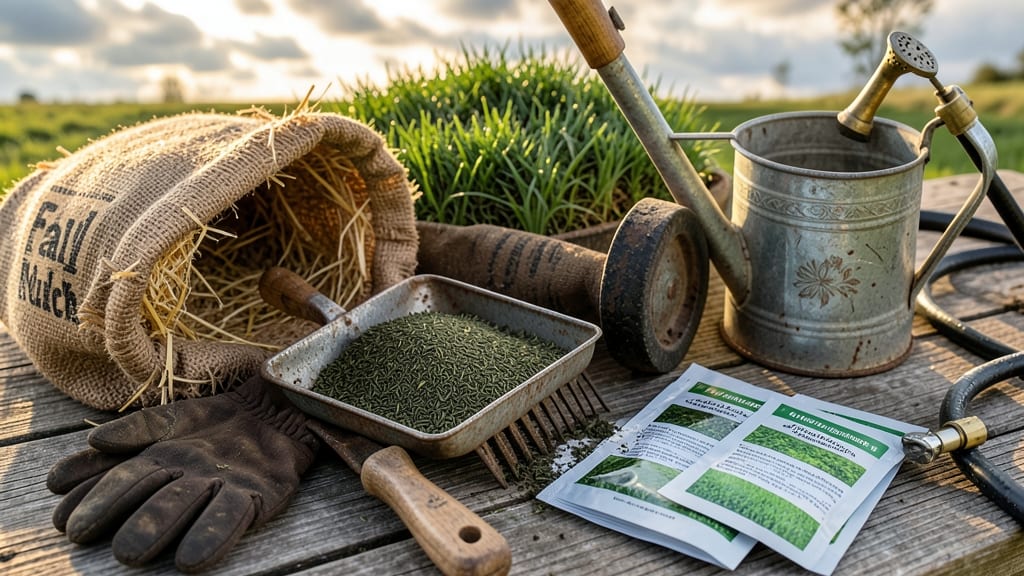
The best time to seed the grass in fall is when you want a thick, green lawn that thrives through winter. 🌱 The key window? 6-8 weeks before first frost—when soil stays warm enough for germination but air cools to slow weed competition. I learned this the hard way after seeding too late one October and watching my new grass freeze before it rooted. Cool-season grasses like fescue and ryegrass thrive in these conditions, while warm-season types (like Bermuda) need spring planting. The ideal time varies by zone: Northern states (Zones 3-6) can seed as early as late August, while Southern states (Zones 7-9) should wait until September or October. Test soil temperature—it should be 50-65°F for best results. Once seeded, keep the soil moist (not soggy) for 2-3 weeks while roots establish. A light straw mulch helps retain moisture and blocks weeds. By spring, you’ll have a lush lawn that outcompetes weeds naturally—no summer brownouts or patchy regrowth. This method works for new lawns, overseeding thin spots, or transitioning between grass types. The secret? Timing, patience, and a little extra care during the critical first weeks. Let’s get your lawn off to the right start!
📚 In This Guide
- What you need
- Instructions
- Tips and common mistakes
- Wrapping up and next steps
What you need
- ● Grass seed: Choose a cool-season variety (e.g., Kentucky bluegrass, fescue, or ryegrass). Aim for 5–10 lbs per 500 sq ft, depending on your lawn’s condition.
- ● Lawn rake or dethatcher: A metal-tined rake or vertical mower attachment to loosen soil and remove debris. 8–12" tines work best.
- ● Topsoil or compost: ¼–½ inch layer to improve seed-to-soil contact. Opt for organic matter-rich options.
- ○ Lawn roller (optional but helpful): A 100–150 lb roller to press seed into the soil gently.
- ● Water source (hose or sprinkler): Ensure light, frequent watering (¼ inch/day) for the first 2–3 weeks.
- ● Fertilizer (low-nitrogen blend): Use a starter fertilizer (10-10-10 or 20-20-20 ratio) to kickstart growth.
- ● Seed spreader: A broadcast or drop spreader for even coverage—no clumps, no waste!
- ● Soil test kit: Check pH (ideal: 6.0–7.0) and adjust with lime or sulfur if needed.
- ● Erosion control blanket: Use on sloped areas to protect seed from washing away.
- ● Weed barrier fabric: Prevents weeds from competing with your new grass (lay before seeding).
- ● Garden gloves & knee pads: Because comfort matters when you’re on your hands and knees! 😉
Step-by-Step guide to fall grass seeding timing
Here's the precise window and method I rely on for lush, weed-resistant lawns every fall.
🌱 Step 1: Identify Your Local Frost Date Window
Cool-season grasses thrive when air temperatures consistently stay between 50-65°F during the day and 40-55°F at night. This typically means seeding 4-6 weeks before your first hard frost—usually mid-September to early October in most U.S. regions. Check your local USDA hardiness zone map for exact timing.
Here's the thing—if you seed too early, summer heat will stress seedlings. Too late, and frost will kill them before roots establish. I always mark my calendar 6 weeks before the average first frost date in my area as my target start date. For example, in Zone 5, that's usually early September—plenty of time for germination before winter arrives.
🌱 Step 2: Prepare the Soil Before Seeding
Wait until soil temperatures drop below 75°F—use a soil thermometer to confirm. Cool soil prevents seedling stress and promotes even germination. Loosen the top 2-3 inches of soil with a rake or aerator to create a seed bed. Remove all weeds and debris, as competition will choke out your new grass.
I like to work the soil when it's slightly damp but not soggy—think of it like a wrung-out sponge. This ensures seeds make good contact with the soil while preventing compaction. If your soil is heavy clay, mix in 1-2 inches of compost to improve drainage and fertility before seeding.
💧 Step 3: Seed at the Right Depth and Moisture Level
Spread seeds evenly at a rate of 10-12 pounds per 1,000 sq ft for most cool-season grasses. Lightly rake the seeds into the soil—¼ inch deep is ideal. For larger seeds like tall fescue, you can go up to ½ inch deep, but smaller seeds like Kentucky bluegrass need that shallow placement.
Keep the soil surface consistently moist until germination occurs—water lightly 2-3 times daily for the first week. You'll know moisture is right when the top ½ inch of soil feels damp but not saturated. Overwatering causes seeds to rot before they sprout. After germination (usually 7-14 days), reduce to 1 inch of water per week, keeping the area moist but not waterlogged.
☀️ Step 4: Protect New Growth from Environmental Stress
Once seedlings reach 2-3 inches tall, gradually reduce watering to encourage deeper root growth. At this stage, they should tolerate brief dry spells. If frost threatens before seedlings are established (usually after 3-4 weeks), cover the area with lightweight frost cloth during cold snaps—just remove it during the day to allow sunlight.
Here's where many gardeners go wrong: they mow too soon. Wait until grass reaches 3-4 inches tall before your first mowing. Set your mower blade to 3 inches to encourage deep roots and prevent weed invasion. Never remove more than ⅓ of the blade height at a time—this keeps grass healthy and resilient through winter.
⏰ Step 5: Monitor and Maintain Through Winter
Cool-season grasses go dormant in winter but stay green. If snow covers the lawn, remove it in patches to allow light penetration—thick snow can smother new growth. In early spring, resume mowing when grass reaches 3-4 inches again, adjusting your mower height as temperatures warm.
Real talk: the first year is critical. Grass seeded in fall will establish strong roots before summer heat returns, giving you a head start on weeds and a thicker lawn by spring. I always fertilize lightly in early spring to support that first flush of growth—just ½ pound of nitrogen per 1,000 sq ft is enough to get things growing without burning tender new shoots.
Tips & tricks for perfect fall grass seeding timing
These game-changing insights will help you nail the ideal window for cool-season grass establishment every time.
Weather Window Precision: The 50-65°F daytime/40-55°F nighttime range is non-negotiable for cool-season grasses. I track my local weather patterns for 3-4 weeks leading up to seeding—this helps me anticipate when those perfect conditions will arrive. If you're in a transitional zone, consider using a soil thermometer to confirm temperatures are consistently in this range before seeding, as air temps can be misleading.
Soil Temperature Secret: That 75°F soil temperature threshold in Step 2 is your golden number—any warmer and you risk seedling stress. I've learned this the hard way after watching seedlings wilt in 80°F+ soil. Pro tip: Test soil temps in the afternoon when it's warmest. If it's above 75°F, wait a few more days or shade the area temporarily with a light tarp until temps drop.
Germination Moisture Hack: The 2-3 times daily watering in Step 3 should feel like a gentle rain—just enough to keep the top ½ inch damp. I use a spray nozzle on my hose for even coverage, and I always water in the morning to prevent fungal growth. For large areas, consider investing in a soaker hose—it delivers moisture right to the root zone without disturbing seedlings.
Frost Protection Strategy: When seedlings reach 2-3 inches in Step 4, keep that lightweight frost cloth handy. I've saved multiple lawns by covering new growth during unexpected early frosts. Remember to remove it during the day—grass needs sunlight to photosynthesize. For severe cold snaps, you can also lay down a thin layer of straw mulch for extra insulation, but remove it once temps rise above freezing.
Pro Tips for Best Time To Seed Grass In Fall
- These game-changing insights will help you nail the ideal window for cool-season grass establishment every time.
- Weather Window Precision: The 50-65°F daytime/40-55°F nighttime range is non-negotiable for cool-season grasses.
- Soil Temperature Secret: That 75°F soil temperature threshold in Step 2 is your golden number—any warmer and you risk seedling stress.
Frequently asked questions
Got questions about seeding grass in the fall? You’re not alone! Here are some of the most common concerns—and their answers—to help you nail your lawn project.
What’s the exact best time to seed grass in the fall?
The ideal window is 4–6 weeks before your first hard frost (usually late August to early October, depending on your climate zone). This gives seeds time to germinate and establish roots before winter slows growth. Check your local frost dates for precision!
Can I seed grass too late in the fall?
Yes—but timing matters! Seeding after the first frost risks poor germination or winterkill. If you miss the window, wait until early spring (as soon as soil is workable). Just know spring seeding requires more watering and weed control.
How often should I water newly seeded grass in fall?
Keep soil consistently moist (not soggy!) for the first 2–3 weeks. Water lightly 2–3 times daily (early morning is best) to encourage germination. Once sprouts appear, taper to 1 inch per week, including rain. A sprinkler with a fine mist setting works best.
What if fall temperatures are unusually warm or cold?
Warm spells (80°F+) can dry seeds out—water more frequently. Chilly temps (below 50°F) slow germination; use a lightweight row cover for extra warmth if needed. Monitor your local forecast and adjust care accordingly.
Can I overseed an existing lawn in fall?
Fall is perfect for overseeding to fill thin spots or boost density. Mow your lawn short (1–1.5 inches), rake to loosen soil, spread seed, and water gently. Choose a cool-season grass like fescue or ryegrass for best results.
What should I avoid when seeding grass in fall?
- Skipping soil prep: Test pH (aim for 6.0–7.0) and till or aerate compacted soil.
- Using warm-season grass seed (e.g., Bermuda, Zoysia)—it won’t thrive in cool weather.
- Overwatering: Soggy soil drowns seeds; stick to light, frequent watering.
- Ignoring weeds: Pre-emergent herbicides can block grass growth; spot-treat weeds instead.
Wrapping up and next steps
Fall is your golden opportunity to grow a lush, resilient lawn—cool-season grasses thrive when seeded between mid-August and early October! By choosing the right timing, preparing your soil, and following best practices, you’ll set the stage for a vibrant yard next spring. 🌱
Ready to take action? Start by checking your local frost dates and gather your supplies—then roll up your sleeves for a healthier lawn. Your future self (and your neighbors!) will thank you.