
Planting
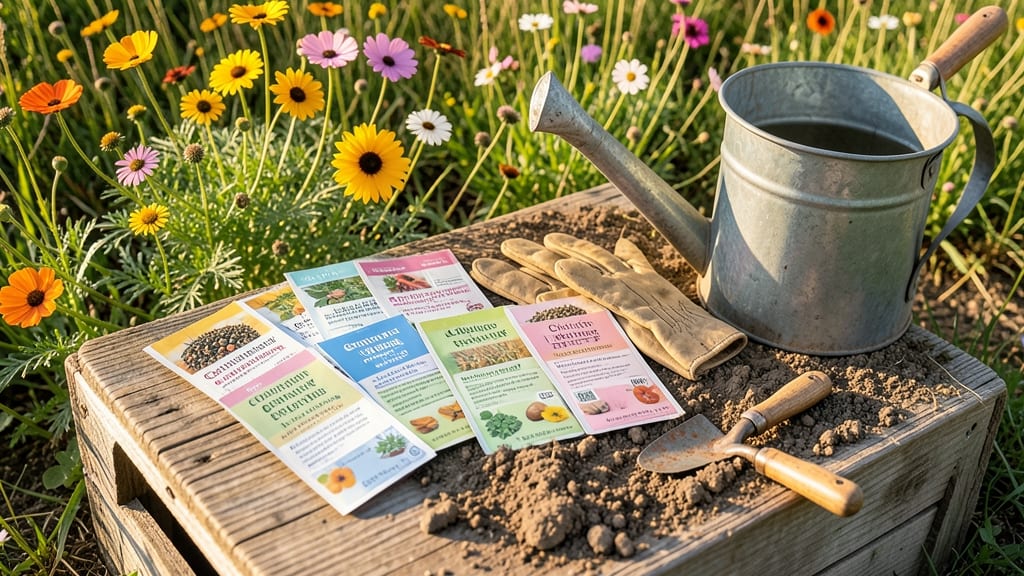
Wildflower seed packets transform bare spots into vibrant meadows with almost no effort. 🌸 I’ve planted mine in every season—spring for bold color, summer for pollinator support, and even late fall for winter interest—and each time, nature does the heavy lifting.
The key is mimicking how wildflowers grow naturally: scatter, lightly cover, and let the rain do the work. You’ll need just three things: seeds, a sunny patch (at least 6 hours of light), and patience. No fancy tools, no perfect soil—just open ground and a sprinkle of seeds.
Even rocky or poor soil works if you prep it right. The biggest mistake? Overwatering or planting too deep—wildflowers need sunlight to germinate, not a cozy burial. By 6-8 weeks, you’ll see the first green shoots pushing through, and by summer, your space will buzz with bees and butterflies.
The blooms keep coming year after year because the seeds self-sow, creating a self-sustaining garden that grows more beautiful with time. Perfect for borders, meadows, or even container gardens. Here’s how to get started without the guesswork!
📚 In This Guide
- What you need
- Instructions
- Tips and common mistakes
- Wrapping up and next steps
What you need
- ● Wildflower seed packets – Choose native species for your climate (e.g., 1–5 packets, depending on coverage goals).
- ● Prepped soil – Loose, well-draining earth (remove weeds/rocks).
- ● Watering can or hose – With a gentle spray nozzle for even moisture.
- ○ Garden rake or hoe – For light soil aeration (optional but helpful).
- ● Sunlight access – 4–6 hours of direct sun daily (check seed packet specs!).
- ● Seed starter mix – For indoor germination (if starting early).
- ● Mulch or straw – Retains moisture and deters weeds.
- ● Plant markers or flags – To label varieties (fun for tracking blooms!).
- ● Organic fertilizer – Lightly incorporate before planting for extra nutrients.
- ● Knee pads or a small stool – For comfort during planting.
How to plant wildflower seed packets for continuous color
Here's my go-to approach for transforming any sunny spot into a blooming meadow with minimal effort.
🌱 Step 1: Choose the Right Location and Prep the Soil
Wildflowers thrive where they're left alone, so pick a spot with 6+ hours of direct sun daily—most packets specify sun requirements on the label. I avoid areas where grass grows thickly; wildflowers need space to establish roots without competition. Clear any existing vegetation by hand or with a hoe, but don't till deeply—wildflowers prefer loose, undisturbed soil.
Loosen the top 2-3 inches of soil with a rake or broadfork to break up compaction. If your soil feels heavy or clay-like, mix in 1 inch of compost to improve drainage. Wildflowers hate soggy roots, so if your yard floods after rain, choose a slightly elevated spot or amend with coarse sand.
💧 Step 2: Scatter Seeds and Lightly Cover
Open your seed packet and pour the contents directly onto the prepared soil—no need to measure. I like to scatter seeds in small groups rather than all at once, which creates a more natural, clustered look. For 1,000 seeds per packet, aim for about 1/4 teaspoon per square foot—this prevents overcrowding while ensuring good coverage.
Gently press the seeds into the soil with your hand or a lightweight board. The key is to cover them no deeper than 1/8 inch—most wildflower seeds need light to germinate. If your soil is dry, mist the area lightly with water until the surface feels damp but not soaked. Avoid heavy watering, which can wash seeds away or bury them too deep.
☀️ Step 3: Water Gently and Wait for Sprouts
Keep the soil consistently moist for the first 2-3 weeks—this is critical for germination. I use a fine-mist spray bottle to water daily, checking the soil with my finger. It should feel like a damp sponge, not a wet sponge. Once seedlings appear, reduce watering to once every 2-3 days, letting the soil dry slightly between waterings.
Watch for the first green shoots, which usually appear in 7-21 days depending on temperature and seed type. If you planted a mix, you might see different species popping up at different times. Don't be surprised if some seeds take longer—patience is key. Once the seedlings reach 2-3 inches tall, they're ready for their first deep watering to encourage root growth.
✂️ Step 4: Maintain with Minimal Effort
Wildflowers are low-maintenance once established, but a little care keeps them thriving. Water deeply once a week during dry spells, focusing on the base of the plants. Avoid overhead watering, which can cause fungal diseases. I let the rain do most of the work—wildflowers are drought-tolerant once their roots are deep.
Let the flowers go to seed at the end of the season—they'll self-sow for next year's blooms. If you want to control where new plants appear, collect spent seed heads and scatter them in new areas. Deadhead only if you prefer a tidier look, but leaving seed heads adds winter interest and feeds local birds.
🪴 Step 5: Enjoy Year-Round Interest
Your wildflower meadow will reward you with color from early spring through fall, depending on the mix you chose. I love watching different species bloom in succession—some start in April, others peak in July, and a few linger into October. The key to continuous blooms is choosing a diverse mix with staggered flowering times.
Once established, wildflowers need almost no care. Pull out any weeds that pop up early on, but after the first year, the wildflowers will crowd out most competitors. In late fall, cut back the dead growth to about 6 inches tall to protect roots from harsh winters. Most wildflowers are perennial, so you'll enjoy the same spot for years with almost no effort.
Tips & tricks for perfect wildflower meadows
Here's what nobody tells you about creating a thriving wildflower garden that keeps blooming all season long.
Location is Everything: Pay attention to the sun exposure recommendations on your seed packet—most wildflowers need that full 6+ hours of direct sun daily. I've learned the hard way that partial shade spots often result in sparse blooms. If you're unsure, test the area for a week first by observing how much sunlight it gets at different times of day. Also, avoid areas where grass grows thickly—wildflowers need room to establish without competition.
Soil Prep Secret: When loosening the top 2-3 inches of soil in Step 1, focus on breaking up compaction rather than turning the soil. Wildflowers thrive in undisturbed soil that mimics their natural habitat. If your soil is clay-heavy, mix in that 1 inch of compost to improve drainage—this is especially critical if your yard floods after rain. I've seen soggy roots kill off entire patches of wildflowers in just a few days.
Scattering Technique: For that natural, clustered look in Step 2, try scattering seeds in small groups rather than spreading them evenly. This mimics how wildflowers grow in nature and creates more visual interest. Remember to cover seeds no deeper than 1/8 inch—most wildflower seeds need light to germinate. If your soil is dry, use a fine-mist spray bottle to dampen the area lightly rather than soaking it. This prevents seeds from washing away or being buried too deeply.
Pro Tips for Wildflower Seed Packets
- Here's what nobody tells you about creating a thriving wildflower garden that keeps blooming all season long.
- Location is Everything: Pay attention to the sun exposure recommendations on your seed packet—most wildflowers need t...
- Soil Prep Secret: When loosening the top 2-3 inches of soil in Step 1, focus on breaking up compaction rather than tu...
Frequently asked questions
Got questions about growing wildflowers from seed packets? You’re not alone! Here are answers to the most common queries to help you get started with confidence.
When is the best time to plant wildflower seed packets?
Most wildflower seeds thrive when planted in early spring (after the last frost) or late summer/early fall (6-8 weeks before the first frost). Perennials often need a cold stratification period, so fall planting can give them a head start. Check your seed packet for specific instructions—some varieties, like poppies, even prefer winter sowing!
How much water do wildflower seeds need after planting?
Keep seeds consistently moist (but not soggy) for the first 2-3 weeks—this is critical for germination. After sprouting, water deeply once or twice a week (or when the top inch of soil feels dry). Once established, wildflowers are drought-tolerant, but young plants need regular hydration. A gentle mist or drip irrigation works best to avoid washing away tiny seeds.
Will wildflowers attract bees and butterflies, or just pests?
Wildflowers are magnets for pollinators like bees, butterflies, and hummingbirds! Native varieties are especially beneficial. To minimize pests, avoid overwatering (which attracts slugs) and choose pest-resistant blends. If aphids appear, a strong spray of water or neem oil usually does the trick. The trade-off is worth it—your garden will buzz with life!
Can I plant wildflower seeds in containers or just gardens?
Wildflowers thrive in containers, window boxes, or raised beds as long as they have well-draining soil and enough sunlight (6+ hours daily). Use lightweight potting mix and choose compact varieties like lobelia or cosmos for smaller spaces. Just ensure containers have drainage holes to prevent root rot.
What if my wildflowers don’t grow? Troubleshooting tips
If seeds fail to sprout, check these common issues:
- Timing: Some seeds need stratification (cold treatment)—try planting in fall.
- Depth: Most wildflower seeds only need light coverage (¼ inch max).
- Soil: Amend heavy clay or sandy soil with compost for better moisture retention.
- Sunlight: Ensure your spot gets full sun (6+ hours); shade-loving varieties are rare.
If all else fails, test a new packet or try winter sowing (planting in unheated containers outdoors). Patience is key—some wildflowers take time to establish!
Wrapping up and next steps
Transforming your space into a vibrant, eco-friendly haven with wildflower seed packets is easier—and more rewarding—than you think! 🌸 Whether you’re a seasoned gardener or a beginner, these low-maintenance blooms bring beauty, biodiversity, and joy to your yard while supporting pollinators.
Start small, experiment with colors, and watch your garden thrive with every season.
Ready to dive in? Grab your favorite seed packets today and let nature do the rest—your future garden (and the bees!) will thank you. 🌿✨